
Isn’t it time to reconsider the clichéd notion that Hiroshima is solely defined by its historical significance? While the city holds deep historical roots, the surrounding region offers some of Japan’s most breathtaking road trip experiences. Imagine cruising through scenic drives that seamlessly blend natural beauty and cultural landmarks. With iconic sites like the picturesque Itsukushima Shrine on Miyajima Island and the serene allure of Sandankyo Gorge, Hiroshima serves up a scenic canvas worthy of exploration. Dive into this guide to uncover the best road trips Hiroshima has to offer, making your journey both enriching and unforgettable.
Exploring the Best Road Trips in Hiroshima
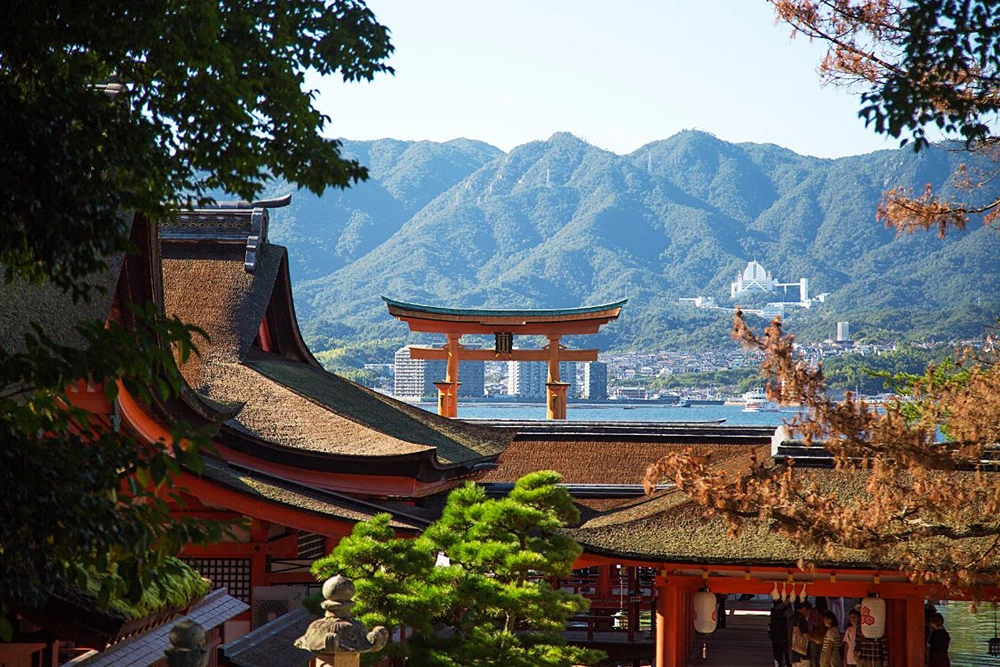
Hiroshima’s road trips present an enticing combination of scenic drives and cultural landmarks, offering travelers a chance to explore the region’s rich tapestry. The allure of Hiroshima’s road trip routes lies in their diversity, from the iconic Itsukushima Shrine on Miyajima Island to the tranquil landscapes of Sandankyo Gorge. Whether it’s the historic charm of the Kintaikyo Bridge in Iwakuni or the profound experience at Hiroshima Peace Memorial Park, each stop offers a unique glimpse into the area’s heritage and natural beauty. These journeys are not only about reaching a destination but also about enjoying the breathtaking views and cultural insights along the way.
- Miyajima Island
- Sandankyo Gorge
- Kintaikyo Bridge
- Hiroshima Peace Memorial Park
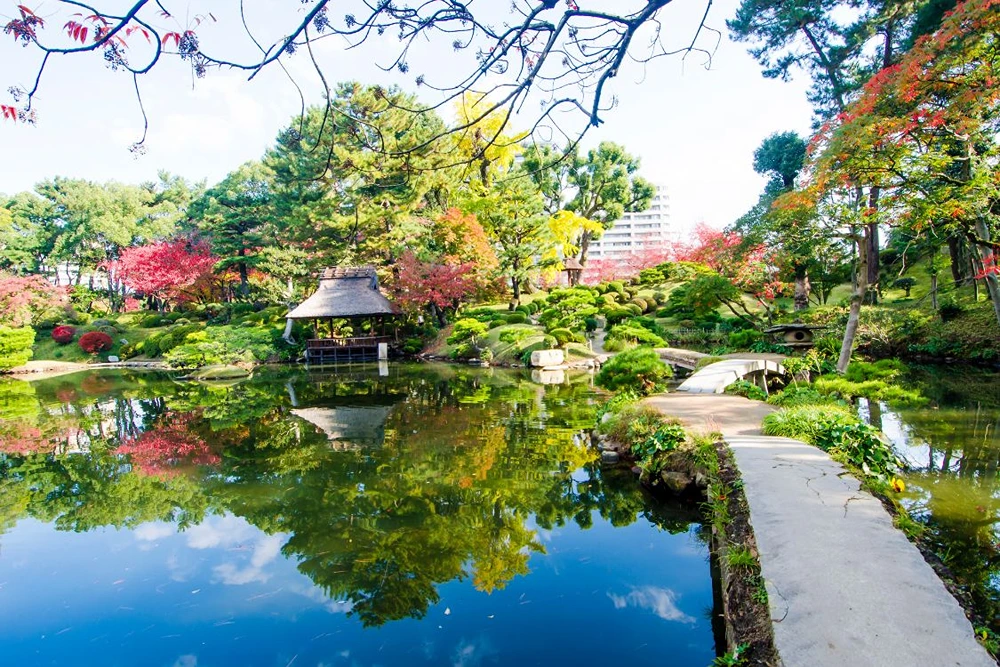
- Shukkeien Garden
Exploring Hiroshima by road allows travelers to fully appreciate the region’s hidden gems and well-known sites at their own pace. Road trips provide the flexibility to tailor itineraries, accommodating personal interests and timelines. This mode of travel also enables deeper engagement with local culture and nature, as visitors can pause at picturesque spots and historical landmarks. By choosing to drive through Hiroshima, travelers gain an immersive experience, making the journey as rewarding as the destinations themselves.
Must-Visit Natural Attractions on Hiroshima Road Trips
Hiroshima serves as a gateway to some of Japan’s most breathtaking natural wonders, making it an ideal destination for road trippers seeking scenic views and immersing themselves in nature. The region showcases a variety of landscapes, from tranquil gorges and panoramic mountain vistas to picturesque cycling routes over the sea.
Sandankyo Gorge
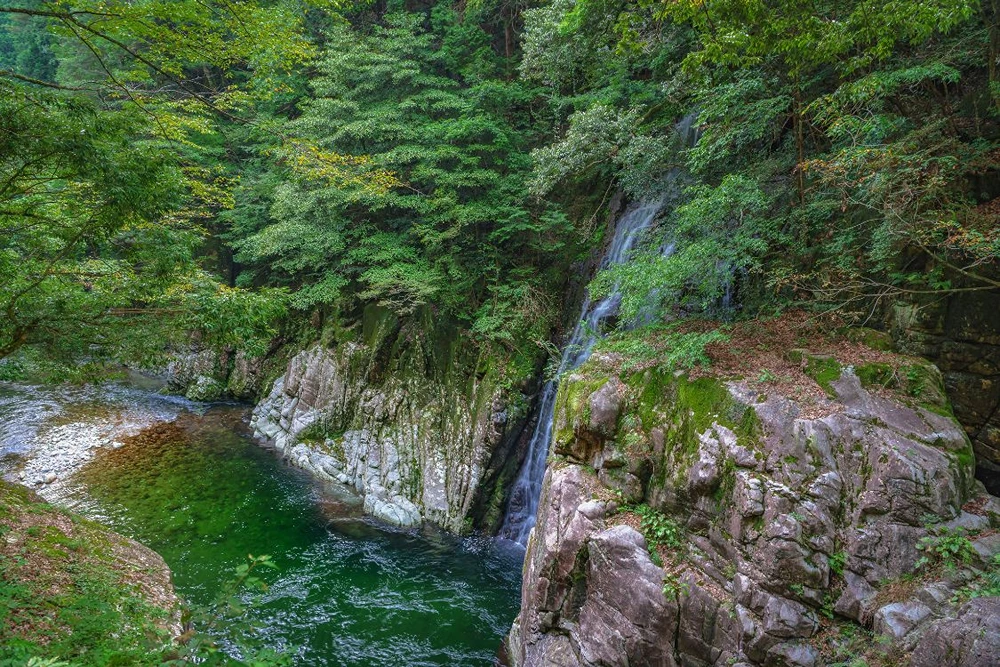
Sandankyo Gorge is a hidden gem for those who appreciate serene walks and stunning natural beauty. The gorge’s lush greenery and dramatic waterfalls create a tranquil setting, perfect for a peaceful escape. Visitors can explore several hiking paths that wind through the gorge, offering opportunities to witness the area’s pristine waters and impressive cliff faces. The main trail provides a moderate hike, leading adventurers to a series of stunning waterfalls that contribute to the gorge’s reputation as a premier destination for nature enthusiasts.
Mount Misen, Miyajima Island
Standing majestically on Miyajima Island, Mount Misen offers travelers a rewarding climb with unparalleled panoramic vistas. The ascent to the summit is an experience in itself, as hikers traverse leafy trails surrounded by vibrant flora and the occasional encounter with the island’s friendly deer. Upon reaching the top, visitors are treated to sweeping views of the Seto Inland Sea and the surrounding islands, making it a must-see for those seeking breathtaking scenery. Numerous trails of varying difficulty levels cater to different hiking preferences, ensuring everyone can enjoy the mountain’s natural splendor.
Shimanami Kaido
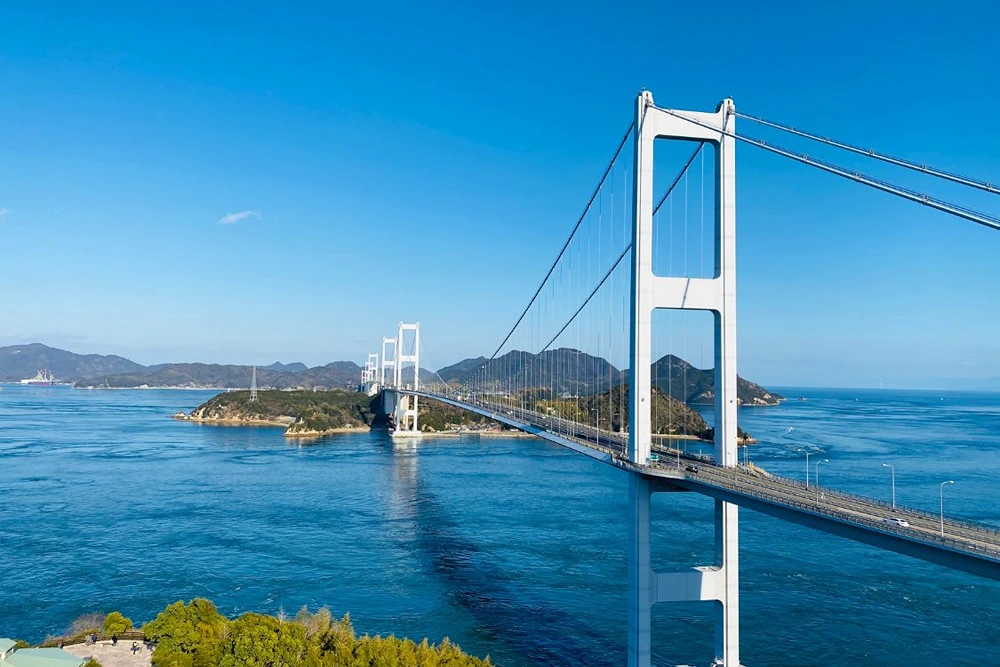
The Shimanami Kaido is a renowned cycling route that connects the islands of the Seto Inland Sea via a series of bridges. This 60-kilometer path provides an exceptional opportunity for cyclists to enjoy both the exhilarating ride and the scenic views of the sea and islands. Dedicated cycling paths ensure a safe journey, while rental services make it easy for travelers to engage in this unique experience. The route’s gentle inclines and picturesque landscapes make it accessible to cyclists of all skill levels, providing a memorable way to explore Hiroshima’s coastal beauty.
- Best travel seasons for each attraction are spring and autumn, offering mild weather and vibrant scenery.
- Recommended activities include hiking at Sandankyo Gorge and Mount Misen, and cycling along the Shimanami Kaido.
- Considerations for weather and accessibility include preparing for variable conditions and ensuring proper gear for each activity.
Cultural Landmarks and Historical Sites in Hiroshima
Hiroshima is renowned for its profound cultural and historical heritage, which serves as a poignant reminder of the past while offering rich insights into the resilience and recovery of the city. Its landmarks are not just tourist attractions but also symbols of historical significance and cultural identity. The city’s cultural heritage is deeply intertwined with its history, offering visitors a chance to explore sites that reflect both tragedy and triumph. These sites, ranging from solemn memorials to architectural wonders, provide a comprehensive understanding of Hiroshima’s journey through time.
Hiroshima Peace Memorial Park
Hiroshima Peace Memorial Park is a powerful testament to the impact of the atomic bombing on August 6, 1945. The park is dedicated to the memory of the victims and serves as a symbol of peace and resilience. It encompasses numerous monuments, including the Flame of Peace, which will remain lit until all nuclear weapons are abolished. The park’s design encourages contemplation and reflection, making it a place of profound emotional resonance for visitors worldwide.
Kintaikyo Bridge
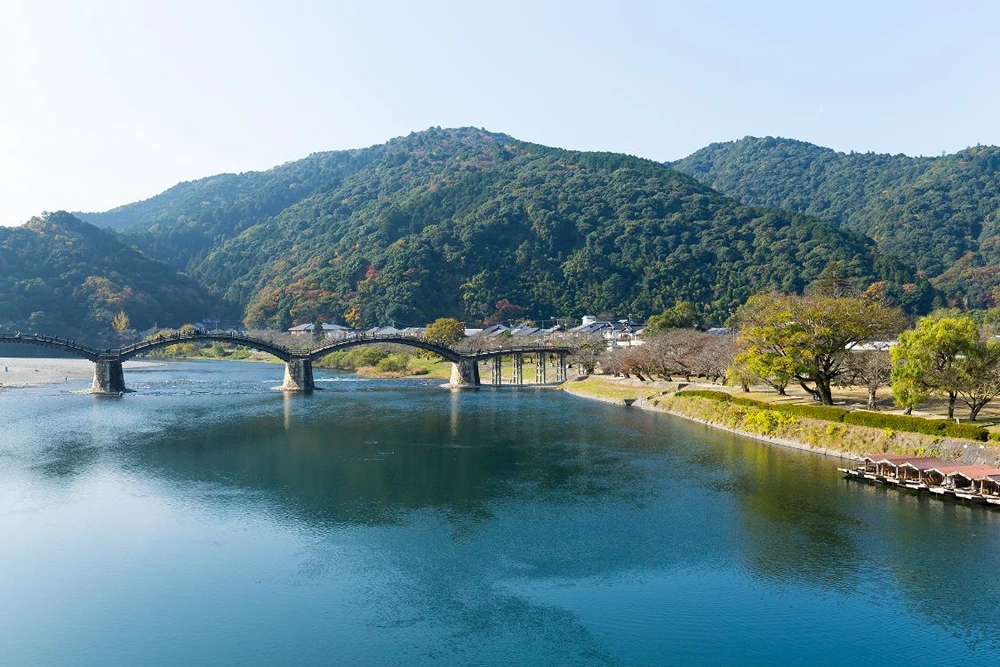
The Kintaikyo Bridge in Iwakuni is celebrated for its unique architectural design and historical context. Constructed in 1673, the bridge features five wooden arches spanning the Nishiki River. It was ingeniously designed to withstand floods and has become an enduring symbol of the region’s engineering prowess. Visitors can walk across the bridge, enjoying scenic views of the surrounding landscape, which is particularly stunning during cherry blossom season.
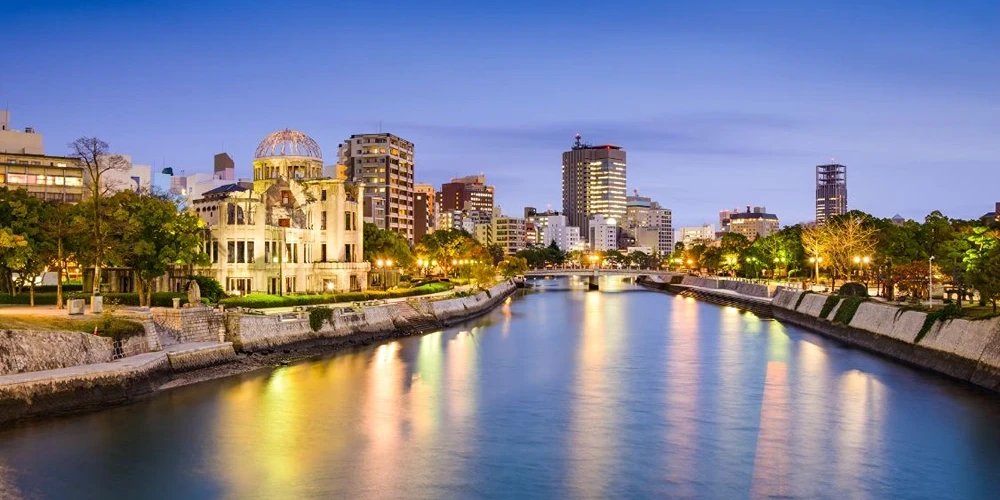
Atomic Bomb Dome
The Atomic Bomb Dome, once the Hiroshima Prefectural Industrial Promotion Hall, stands as a stark symbol of the devastation caused by the atomic bomb. Preserved in its post-explosion state, the structure is a UNESCO World Heritage Site. It serves as a poignant reminder of the need for peace and the devastating consequences of nuclear warfare. The dome’s skeletal remains are one of the few structures left standing near the bomb’s hypocenter.
Hiroshima Castle
Hiroshima Castle, also known as Carp Castle, played a significant role in the history of Hiroshima. Originally built in the late 16th century, the castle was destroyed by the atomic bomb but was reconstructed in 1958. Today, it houses a museum that provides insights into the region’s samurai culture and history. The surrounding grounds offer a tranquil setting with beautiful gardens and moats, making it a must-visit for those interested in Japan’s feudal past.
| Landmark | Significance |
|---|---|
| Hiroshima Peace Memorial Park | Commemorates the atomic bombing victims and promotes peace. |
| Kintaikyo Bridge | Historical architecture, known for its unique design and flood resilience. |
| Atomic Bomb Dome | Symbol of peace, preserved as a reminder of the bombing’s effects. |
| Hiroshima Castle | Historical site, offering insights into samurai culture and history. |
Hiroshima Itinerary Suggestions for Road Travelers
Road trips in Hiroshima offer unparalleled flexibility, allowing travelers to craft personalized itineraries that cater to their interests and schedules. This mode of travel enables individuals to explore the region’s scenic and cultural offerings at their own pace, making spontaneous stops and indulging in local experiences. The ability to design a bespoke journey means visitors can immerse themselves in Hiroshima’s diverse attractions, from historical landmarks to natural wonders, ensuring a memorable and fulfilling adventure.
- Day Trip: Start your day by visiting Miyajima Island, where you can marvel at the iconic Itsukushima Shrine, known for its “floating” torii gate. Afterward, savor the island’s street food, including grilled oysters and momiji manju, a sweet maple leaf-shaped pastry.
- Multi-Day Tour: Embark on a more extended exploration by including Iwakuni in your itinerary to admire the architectural beauty of the Kintaikyo Bridge. Continue your journey to Sandankyo Gorge, where you can enjoy hiking amid stunning waterfalls and dramatic landscapes.
For those seeking expert guidance and insights, Xpat Journeys offers exceptional travel planning services. With their expertise, travelers can maximize their Hiroshima road trip experience by receiving tailored recommendations and logistical support. Xpat Journeys ensures a seamless travel experience, allowing visitors to focus on enjoying the journey and discovering the unique charms of Hiroshima.
Travel Tips for a Successful Hiroshima Road Trip
Adequate preparation is crucial for a successful road trip in Hiroshima, ensuring both safety and enjoyment. Understanding the nuances of local travel can significantly enhance your experience, allowing you to explore the area’s scenic drives and cultural landmarks without undue stress.
- Optimal seasons for travel and sightseeing are spring and autumn, offering pleasant weather and vibrant scenery.
- Understanding road conditions and safety involves being aware of local traffic rules and potential hazards, particularly in rural areas.
- Availability of car rentals and public transport provides flexibility, enabling travelers to choose the most suitable mode of travel for their itinerary.
- Roadside assistance and fuel stations are essential resources, ensuring help is available in case of vehicle issues or refueling needs.
- Familiarity with Japanese road etiquettes, such as driving on the left and respecting local speed limits, is vital for a smooth journey.
Being well-prepared for a road trip in Hiroshima offers numerous advantages, such as reduced travel stress and the ability to enjoy the journey fully. With a well-thought-out plan, travelers can focus on the enriching experiences that await, from exploring the region’s natural beauty to delving into its rich cultural heritage.
Final Words
Exploring the best road trips in Hiroshima offers an enriching blend of scenic drives and cultural landmarks. The journey reveals iconic sites such as Miyajima Island’s Itsukushima Shrine, the serene Sandankyo Gorge, and the historic Kintaikyo Bridge.
Road trips in Hiroshima allow travelers to fully appreciate both the natural beauty and rich cultural tapestry of the region. With thoughtful planning and practical tips at hand, this adventure promises a memorable and fulfilling experience.
By integrating the insights and itineraries provided, enthusiasts can confidently embark on the best road trips in Hiroshima, ensuring a rewarding and seamless travel journey.
FAQ
How many days in Hiroshima is enough?
Planning a visit to Hiroshima is often best done with at least two full days. This allows enough time to explore key historical sites, enjoy a day trip to Miyajima Island, and savor local cuisine.
Is it better to stay in Hiroshima or Miyajima?
Staying in Hiroshima provides easy access to city attractions and transportation, while Miyajima offers a serene experience with its iconic Itsukushima Shrine and relaxing natural surroundings. Your choice depends on your interest in urban versus tranquil settings.
What is the best road trip in Japan?
One of the best road trips in Japan includes exploring Hiroshima’s scenic drives and cultural landmarks. This encompasses visits to places like the Hiroshima Peace Memorial Park, Itsukushima Shrine, and the picturesque Sandankyo Gorge.
Is 2 days in Hiroshima too much?
Two days in Hiroshima is typically an ideal duration. It provides adequate time to visit major attractions such as the Atomic Bomb Dome and allows for a relaxed itinerary, including a day trip to Miyajima Island.
Best road trips in Hiroshima by train?
Travelers can enjoy scenic trips by train from Hiroshima to destinations such as Miyajima Island and Iwakuni. These routes provide breathtaking views and easy access to cultural and historical sites.
Day trips from Hiroshima JR Pass?
Using a JR Pass, day trips from Hiroshima can include visits to Miyajima Island, exploring its natural beauty and cultural treasures, or traveling to Iwakuni to see the famous Kintaikyo Bridge.
Day trip from Hiroshima to Miyajima?
A day trip from Hiroshima to Miyajima is a popular choice, offering attractions like the Itsukushima Shrine, hiking on Mount Misen, and sampling local delicacies. The ferry ride itself is a scenic journey.
Hiroshima tours?
Hiroshima offers various guided tours that include major sites such as the Peace Memorial Park, Hiroshima Castle, and side trips to Miyajima. These tours provide deep insights into the region’s history and culture.
Day trips from Hiroshima by train?
Day trips from Hiroshima by train can include destinations like Miyajima Island or Iwakuni. Trains offer a convenient way to explore scenic and historical sites quickly and comfortably.