

Travel Resources
Make your Cancun trip unforgettable with these essential resources:
- Flights: Find the best deals on flights to Cancun International Airport (CUN) using our flight search tool.
- Insurance: Protect your vacation with comprehensive travel insurance.
- Car Rental: Explore the Yucatan Peninsula at your own pace by renting a car.
- Tours: Discover Cancun’s top attractions with guided tours showcasing the region’s natural beauty and cultural heritage.
- Packing: Prepare for your trip with our essential packing checklist tailored for Cancun’s tropical climate.
Some History First
Cancun’s history is a fascinating journey from ancient Mayan civilization to modern tourism mecca. The area was originally home to the Maya people, who left behind impressive ruins and a rich cultural legacy. The name “Cancun” is believed to mean “nest of snakes” in the Mayan language. In the 1970s, the Mexican government recognized the area’s potential for tourism and began developing it into the resort destination we know today. Since then, Cancun has transformed from a small fishing village into one of the world’s most popular vacation spots.
Cancun Today
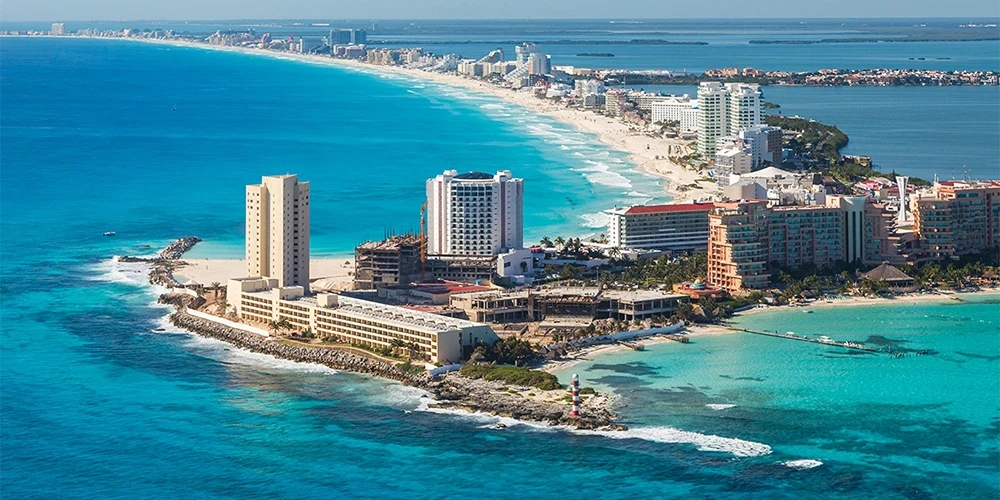
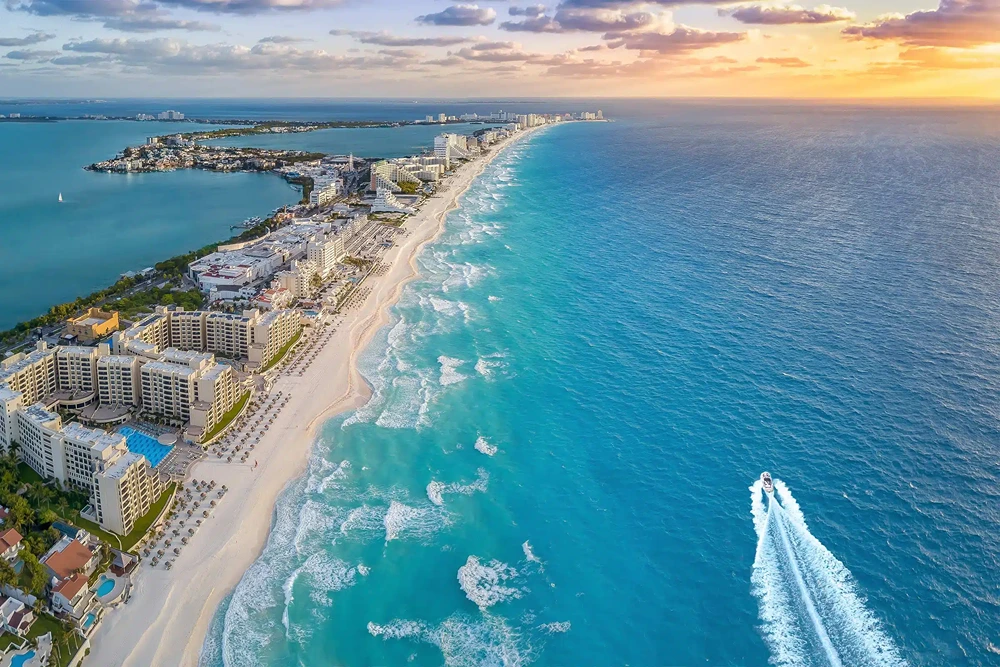
Today, Cancun stands as a premier tourist destination, blending modern luxury with natural beauty and cultural richness. The city is divided into two main areas:
- The Hotel Zone (Zona Hotelera): A long, narrow island shaped like a “7”, home to most resorts, beaches, and nightlife.
- Downtown Cancun (El Centro): The more authentic Mexican area with local restaurants, markets, and a glimpse into everyday life.
Cancun boasts world-class amenities, including:
- Luxurious all-inclusive resorts
- International cuisine and vibrant nightlife
- Modern shopping centers and traditional markets
- Eco-parks and adventure activities
- Easy access to Mayan ruins and cenotes
Is Cancun Safe?
Cancun is generally considered safe for tourists, especially in the Hotel Zone and popular tourist areas. However, as with any travel destination, it’s important to exercise caution and follow these safety tips:
- Stick to well-lit, populated areas, especially at night
- Use official taxis or pre-arranged transportation
- Be cautious with your belongings on the beach
- Drink responsibly and stay aware of your surroundings
- Follow local advice regarding swimming conditions and beach safety
The Mexican government prioritizes tourist safety in Cancun, with increased security measures in place to ensure visitor well-being.
Where is Cancun?
Cancun is located on the northeastern tip of Mexico’s Yucatan Peninsula, in the state of Quintana Roo. It faces the Caribbean Sea, which contributes to its stunning beaches and turquoise waters. Cancun’s strategic location provides easy access to other popular destinations in the Riviera Maya, including:
- Playa del Carmen (68 km south)
- Tulum (131 km south)
- Chichen Itza (193 km west)
- Isla Mujeres (13 km northeast, accessible by ferry)
Latest Articles
From The Area
What is the Best Time to Visit Cancun?
The best time to visit Cancun is from December to April, during the dry season. This period offers:
- Warm temperatures ranging from 23°C to 30°C (73°F to 86°F)
- Low humidity and minimal rainfall
- Perfect conditions for beach activities and outdoor exploration
However, this is also the peak tourist season, with higher prices and larger crowds. Consider these alternatives:
- May to June: Shoulder season with good weather and fewer crowds
- July to August: Hot but popular for family vacations
- September to November: Lower prices and fewer tourists, but higher chance of rain and potential hurricanes
How to Get to Cancun & Around
Getting to and around Cancun is relatively easy thanks to its well-developed tourism infrastructure:
- By Air: Fly into Cancun International Airport (CUN), one of the busiest airports in the Caribbean.
- Airport Transfer: Use official airport taxis, pre-booked shuttles, or your hotel’s transfer service.
- Public Transportation: Local buses (known as “colectivos”) offer an affordable way to get around the city and Hotel Zone.
- Taxis and Ride-sharing: Official taxis are available, but prices should be agreed upon before the ride. Uber operates in downtown Cancun but not in the Hotel Zone.
- Car Rental: Consider renting a car for day trips to nearby attractions, but be aware of different driving rules and conditions.
- Ferry: Take a ferry to nearby islands like Isla Mujeres or Cozumel for day trips.
Things to Do in Cancun
Cancun offers a wealth of activities and attractions for all types of travelers:
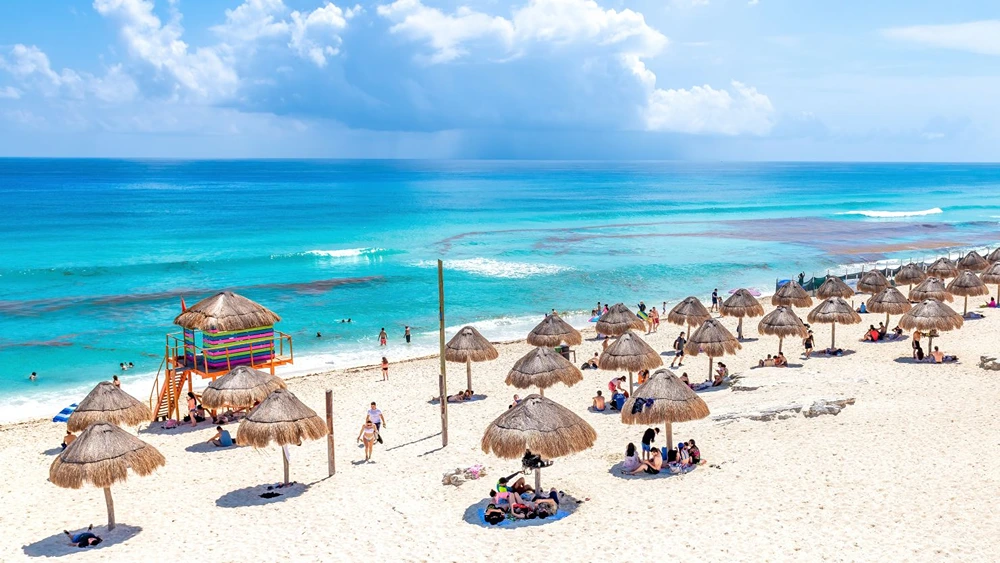
- Relax on pristine beaches like Playa Delfines or Playa Forum
- Explore ancient Mayan ruins at El Rey or take a day trip to Chichen Itza
- Snorkel or dive in the Mesoamerican Barrier Reef System
- Visit eco-adventure parks like Xcaret or Xel-Ha
- Experience the vibrant nightlife in the Hotel Zone
- Shop at markets like Mercado 28 for authentic souvenirs
- Take a boat tour to Isla Mujeres or the Isla Contoy National Park
- Swim in cenotes, natural sinkholes filled with crystal-clear freshwater
- Visit the Cancun Underwater Museum (MUSA) for a unique diving or snorkeling experience
Where To Stay In Cancun
Cancun offers a wide range of accommodations to suit every budget and preference:
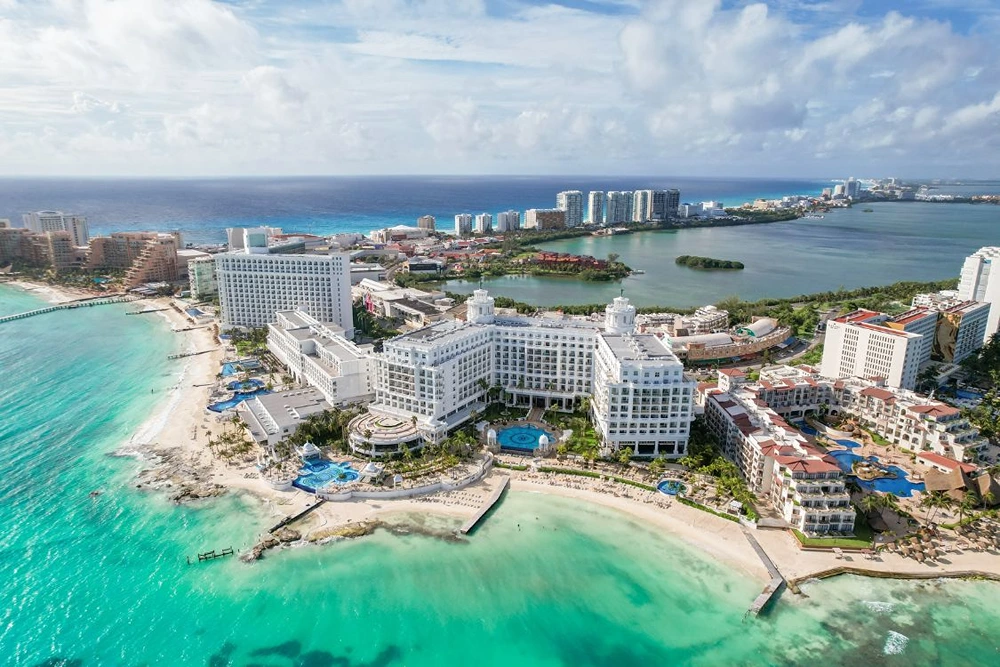
- Hotel Zone: Ideal for beach lovers and party-goers, with all-inclusive resorts and high-end hotels
- Downtown Cancun: More affordable options with a local vibe, great for budget travelers
- Puerto Morelos: A quieter alternative just south of Cancun, perfect for a more relaxed vacation
- Isla Mujeres: For those seeking a laid-back island experience
Consider factors like beach access, amenities, and proximity to attractions when choosing your accommodation. All-inclusive resorts are popular in Cancun, offering convenience and value for many travelers.
What To Eat In Cancun
Cancun’s culinary scene offers a delightful mix of traditional Mexican dishes and international cuisine:
- Cochinita pibil: Slow-roasted pork marinated in citrus and achiote
- Tikin xic: Mayan-style fish marinated in achiote and grilled in banana leaves
- Ceviche: Fresh seafood “cooked” in lime juice
- Tacos al pastor: Spit-grilled pork tacos with pineapple
- Elotes: Grilled corn on the cob with mayo, cheese, and chili powder
Don’t miss trying local drinks like:
- Agua de Jamaica: Hibiscus flower tea
- Horchata: Sweet rice drink
- Tequila and Mezcal: Traditional Mexican spirits
For an authentic experience, visit local markets or street food vendors in downtown Cancun, but always ensure food is freshly prepared and hot.
Entry & Exit Requirements
For most visitors, entering Mexico is straightforward:
- Tourists from many countries, including the US, Canada, and most European nations, don’t need a visa for stays up to 180 days
- A valid passport is required, with at least six months validity beyond your planned stay
- You’ll need to fill out a tourist card (FMM) upon arrival, which you must keep and present when leaving the country
Always check the latest requirements with your country’s foreign office or the Mexican embassy before traveling, as regulations can change.
What To Pack For Your Trip
When packing for Cancun, consider the tropical climate and your planned activities:
- Lightweight, breathable clothing
- Multiple swimsuits and beach cover-ups
- Sunscreen, sunglasses, and a hat for sun protection
- Insect repellent
- Comfortable walking shoes and sandals
- Waterproof phone case or dry bag for beach days
- Light raincoat or umbrella (especially if traveling during the rainy season)
- Biodegradable toiletries to protect the environment, especially if visiting cenotes
Remember, many resorts have dress codes for restaurants, so pack at least one smart-casual outfit.
FAQs
Most visitors from the United States, Canada, and European Union countries do not need a visa for stays of up to 180 days.
Visit Xcaret Park, Chichen Itza, Isla Mujeres, and the underwater museum MUSA for unforgettable experiences.
It’s recommended to drink bottled or filtered water to avoid potential health issues.