

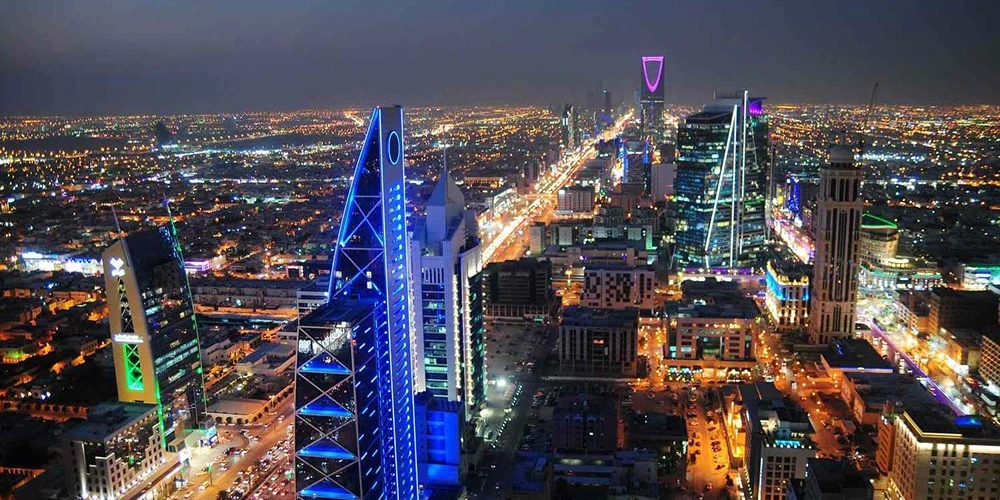
Saudi Arabia, the birthplace of Islam and home to its holiest sites, is a land of rich history, diverse landscapes, and rapidly evolving modernity. Known for:
- Ancient archaeological sites
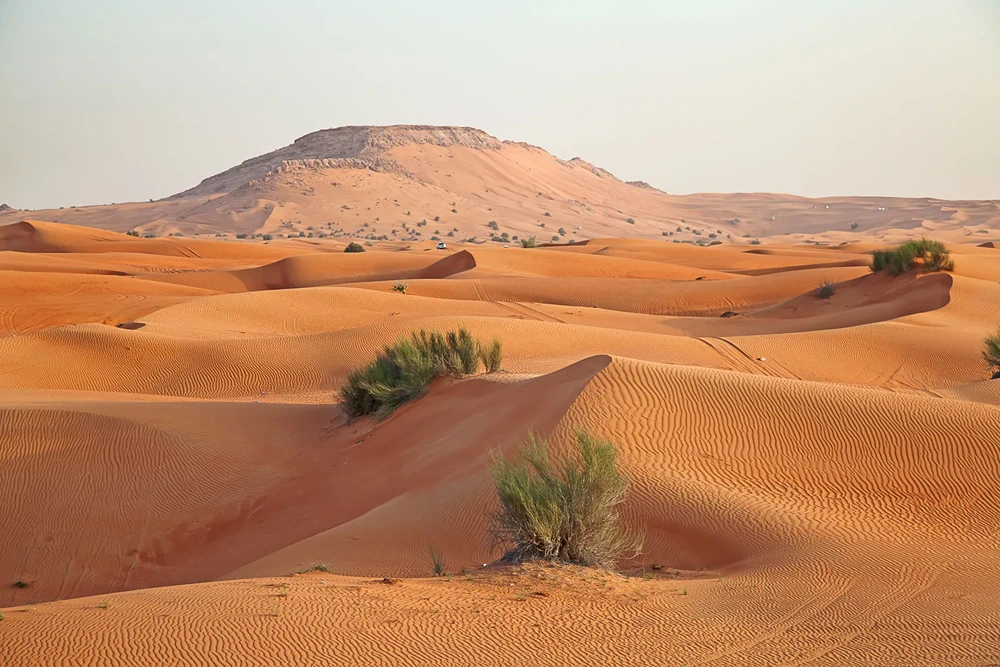
- Vast desert expanses
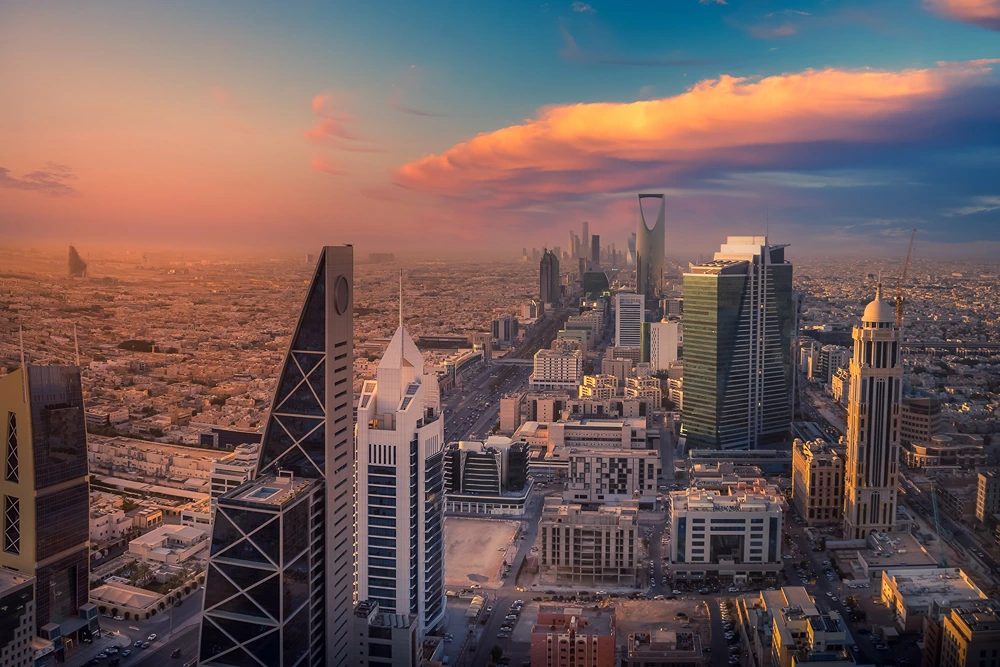
- Modern metropolises
- Religious significance
- Emerging tourist destinations
Travel Resources
Prepare for your journey to Saudi Arabia with these essential resources:
- Flights: Find affordable options to major airports like Riyadh (RUH) and Jeddah (JED) using our flight search tool.
- Travel Insurance: Ensure a worry-free visit with comprehensive coverage.
- Car Rental: Explore Saudi Arabia’s diverse regions at your own pace.
- Tours: Book exciting experiences from desert safaris to historical site visits.
- Packing List: Prepare for your trip with our curated list of essentials for Saudi Arabia.
Some History First
Saudi Arabia’s history spans millennia:
- Ancient civilizations: Evidence of human habitation dating back 20,000 years.
- Pre-Islamic period: Home to various Arab tribes and trading routes.
- Birth of Islam: In the 7th century CE in Mecca and Medina.
- First Saudi State: Established in 1744 by Muhammad bin Saud.
- Modern Saudi Arabia: Founded in 1932 by King Abdulaziz Al Saud.
- Oil discovery: Transformed the country’s economy from the 1930s onward.
Visit the National Museum in Riyadh for a comprehensive overview of Saudi history.
Saudi Arabia Today
Modern Saudi Arabia is undergoing rapid transformation:
- Vision 2030: Ambitious plan to diversify the economy and develop public service sectors.
- Tourism opening: Introduction of tourist visas in 2019, making the country more accessible.
- Megaprojects: Development of new cities like NEOM and The Red Sea Project.
- Cultural renaissance: Hosting international events, concerts, and sports competitions.
- Women’s rights: Recent reforms including the right to drive and travel independently.
Is Saudi Arabia Safe?
Saudi Arabia is generally considered safe for tourists, with a low crime rate.
Key safety aspects:
- Low crime rate: Especially against tourists.
- Strict laws: Help maintain public order and safety.
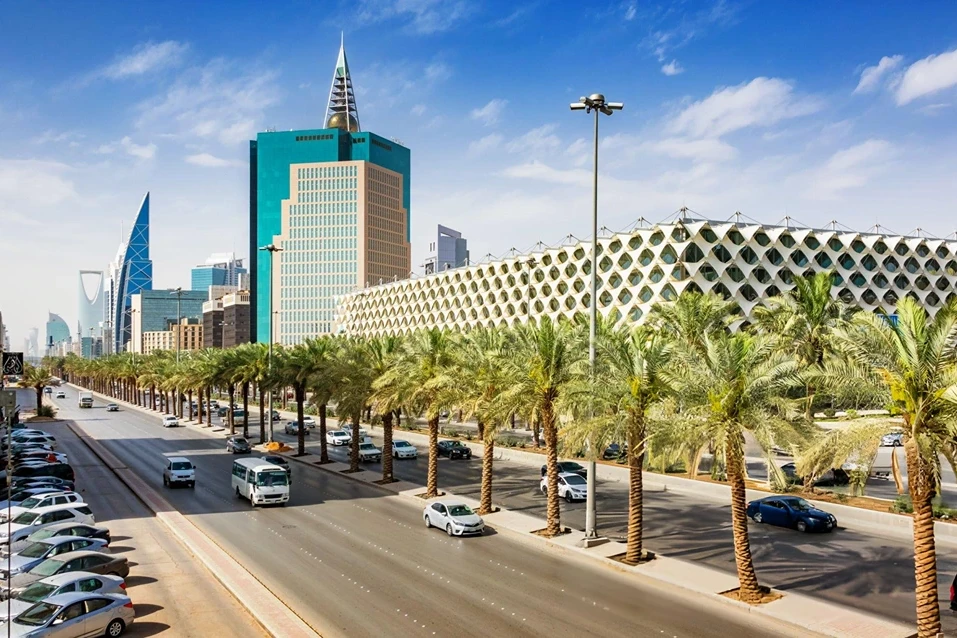
- Modern infrastructure: Well-maintained roads and public spaces in major cities.
- Efficient police force: Visible presence in tourist areas.
Tips for a safe visit:
- Respect local customs and dress modestly.
- Be mindful of religious sensitivities, especially during Ramadan.
- Follow guidelines in religious sites and conservative areas.
- Take usual precautions against petty theft in crowded areas.
Where is Saudi Arabia?
Saudi Arabia occupies most of the Arabian Peninsula:
- Borders: Jordan, Iraq, and Kuwait to the north; Qatar, UAE, and Oman to the east; Yemen to the south
- Coastlines: Persian Gulf to the east, Red Sea to the west
- Size: Approximately 2,150,000 square kilometers (830,000 square miles)
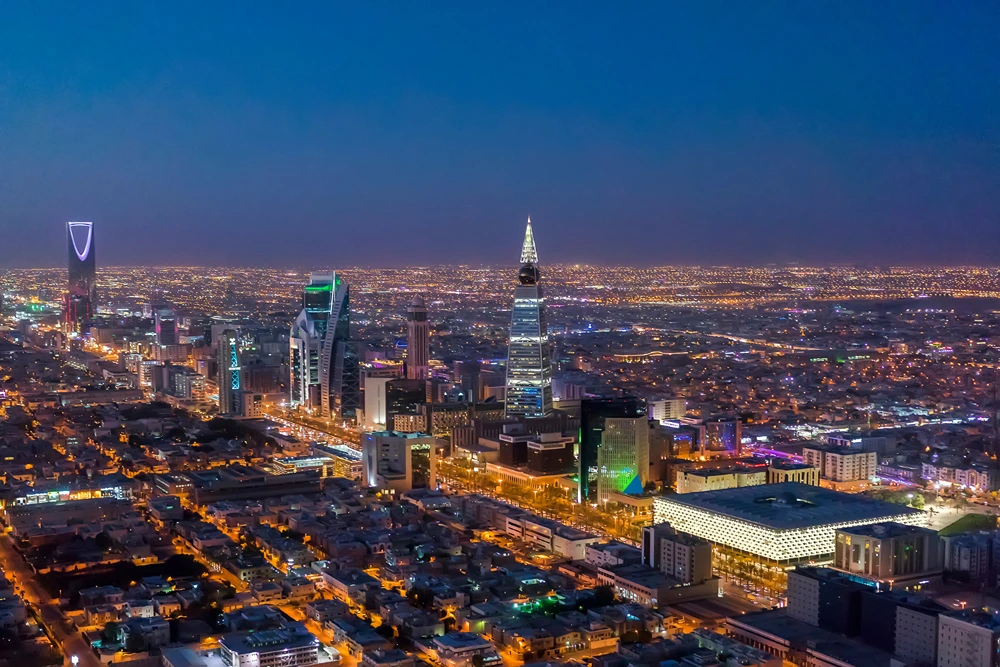
- Capital: Riyadh, located in the central region
Notable regions:
- Hejaz: Western region, home to Mecca and Medina
- Najd: Central region, includes Riyadh
- Eastern Province: Oil-rich region along the Persian Gulf
- Asir: Mountainous southwestern region
- Empty Quarter (Rub’ al Khali): World’s largest sand desert in the south
Latest Articles
From The Area
What is the Best Time to Visit Saudi Arabia?
The best time to visit depends on your preferences and planned activities:
- Winter (October to March):
- Ideal weather with temperatures between 15°C to 30°C (59°F to 86°F)
- Perfect for outdoor activities and sightseeing
- Peak tourist season, especially during religious events
- Summer (April to September):
- Very hot, with temperatures often exceeding 40°C (104°F)
- Good for indoor activities and shopping
- Lower prices and fewer tourists
Tip: Avoid visiting during Hajj (dates vary yearly) unless you’re participating, as accommodations are scarce and prices high.
How to Get to Saudi Arabia & Around
Navigate transportation options within Saudi Arabia efficiently:
- Domestic flights: Quickest way to cover large distances
- Car rental: Good option for exploring, drive on the right side
- Taxis and ride-hailing: Available in major cities, use apps like Careem or Uber
- Buses: Intercity services available, including the SAPTCO network
- Trains: Growing rail network, including the Haramain high-speed railway between Mecca and Medina
Things to Do in Saudi Arabia
Saudi Arabia offers a diverse range of experiences:
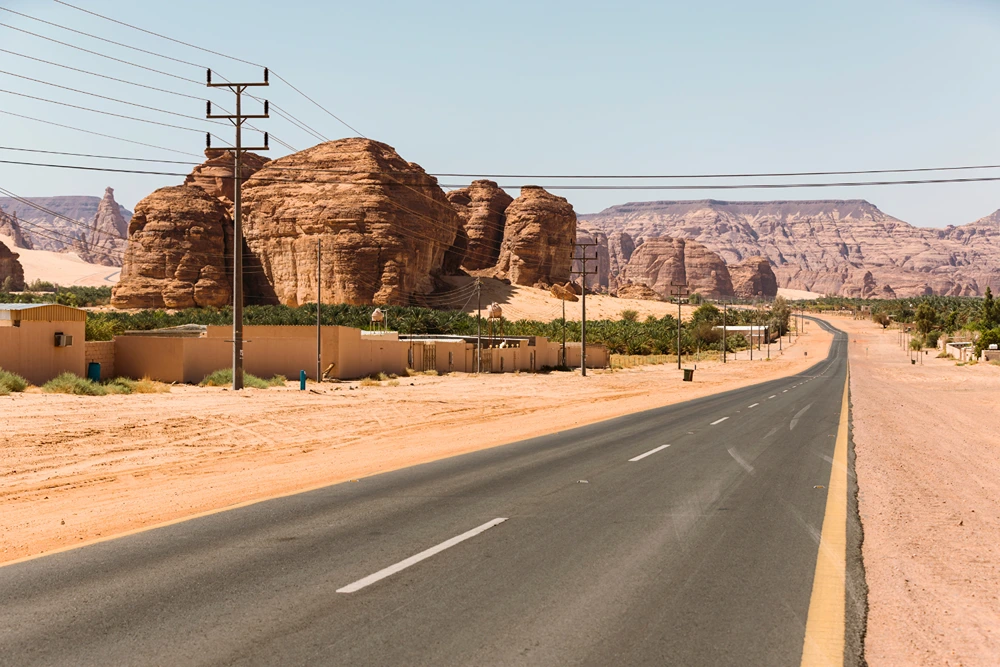
- Historical sites: Mada’in Saleh (Al-Ula), Diriyah (near Riyadh), Jeddah Old Town
- Religious sites: Grand Mosque in Mecca, Prophet’s Mosque in Medina (for Muslims only)
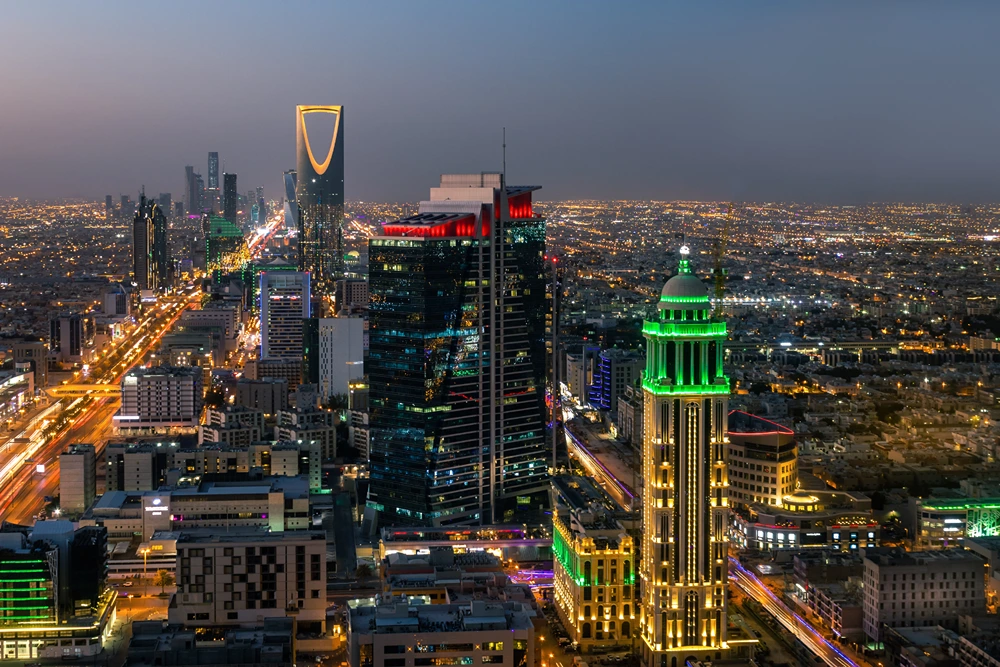
- Modern attractions: Kingdom Centre Tower (Riyadh), King Abdullah Economic City
- Natural wonders: Empty Quarter desert, Asir National Park, Red Sea coral reefs
- Cultural experiences: National Museum, traditional souqs, camel festivals
- Adventure activities: Desert camping, dune bashing, Red Sea diving
- Shopping: From traditional markets to luxury malls
- Emerging destinations: NEOM, Qiddiya entertainment city (under development)
Where To Stay In Saudi Arabia
Saudi Arabia offers a range of accommodation options:
- Luxury hotels: International chains and local luxury brands in major cities
- Heritage hotels: Restored traditional buildings, especially in Al-Ula and Jeddah
- Beach resorts: Along the Red Sea coast
- Business hotels: Well-equipped options in city centers
- Serviced apartments: Good for families or longer stays
- Desert camps: For unique experiences in places like the Empty Quarter
Tip: Book well in advance for stays during religious events or peak winter season.
What To Eat In Saudi Arabia
Saudi cuisine reflects its Bedouin heritage and influences from surrounding regions:
- Traditional dishes:
- Kabsa: Spiced rice with meat, often considered the national dish
- Mandi: Meat and rice dish cooked in an underground oven
- Mutabbaq: Stuffed pancake-like dish
- Tharid: Bread soaked in broth with meat
- Dates: A staple in Saudi culture, often served with Arabic coffee
- Grilled meats: Various kebabs and grilled lamb dishes
- International cuisine: Wide variety available in major cities
- Saudi coffee: Unique preparation, often flavored with cardamom
Don’t miss: Trying a traditional Saudi Arabian coffee ceremony.
Entry & Exit Requirements
Requirements vary based on nationality:
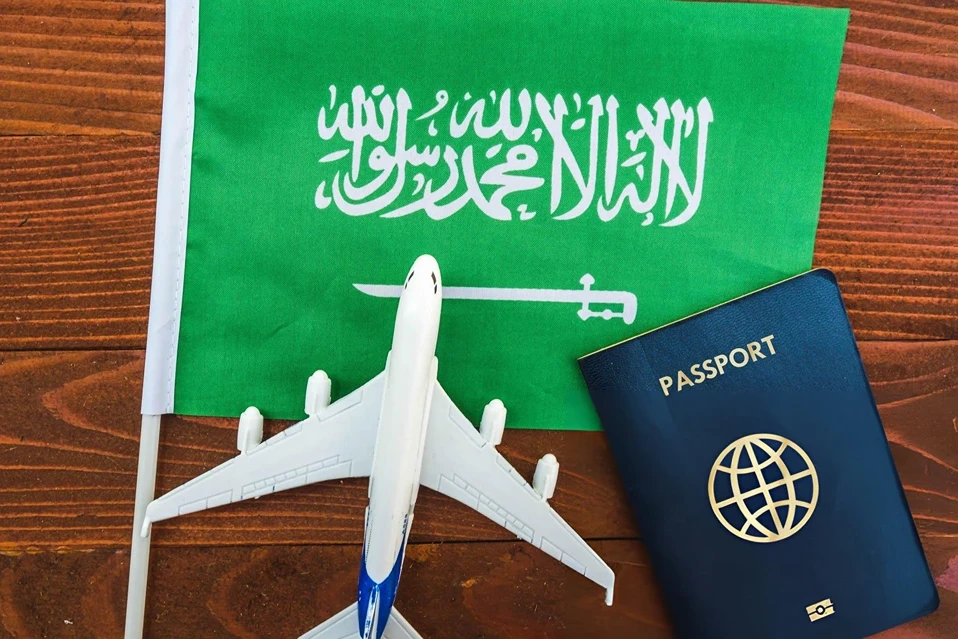
- Visas: Tourist e-visas available for many nationalities, others need to apply in advance
- Passport: Must be valid for at least six months beyond your stay
- Return ticket: Proof of onward travel may be required
- Health requirements: Check for any current health-related entry requirements
Always check the latest requirements with the Saudi Arabia government portal or your nearest Saudi embassy.
What To Pack For Your Trip
Essential items for your Saudi Arabian adventure:
- Modest clothing: Covering shoulders and knees for both men and women
- Headscarf for women: While not mandatory for tourists, useful for visiting conservative areas
- Sunscreen and sunglasses: Protection against the strong desert sun
- Comfortable walking shoes: For exploring cities and historical sites
- Light jacket: For cool evenings or air-conditioned indoor spaces
- Universal power adapter: Saudi Arabia uses Type G sockets (220V)
- Refillable water bottle: Stay hydrated in the hot climate
- Conservative swimwear: For beach resorts
Remember: Dress modestly in public areas, especially during Ramadan and in more conservative regions.
FAQs
Explore commonly asked questions about visiting Saudi Arabia:
Yes, Saudi Arabia has opened up to tourism with e-visa programs for eligible travelers.
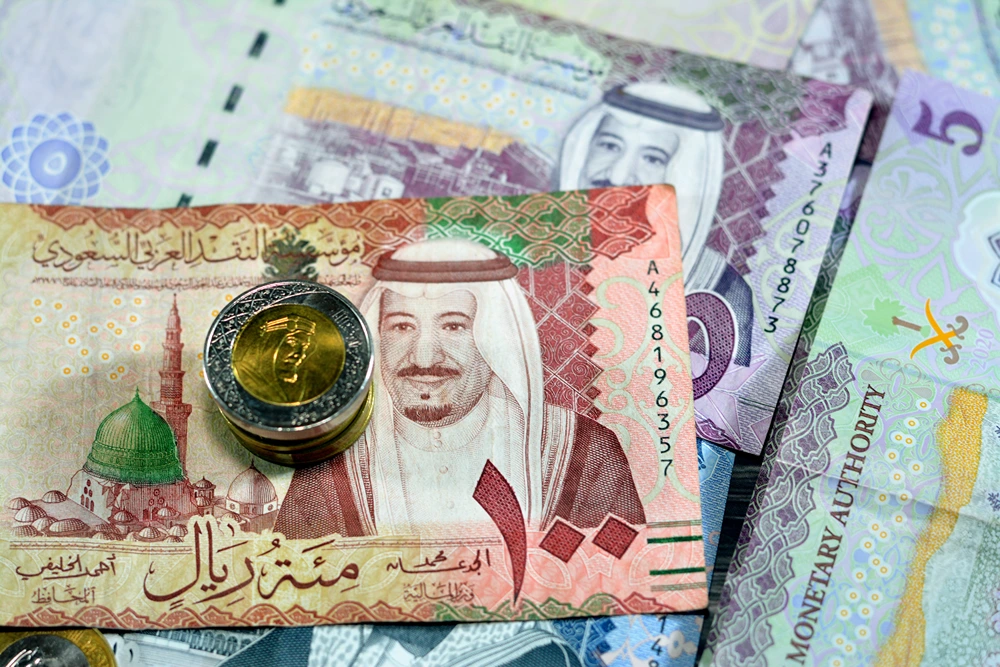
The currency used is the Saudi Riyal (SAR). Currency exchange services are available at airports and banks.
Female tourists should dress modestly in public places, including wearing an abaya, especially in conservative regions.
Respect Islamic traditions and etiquette, such as refraining from public displays of affection and avoiding eating or drinking in public during Ramadan.