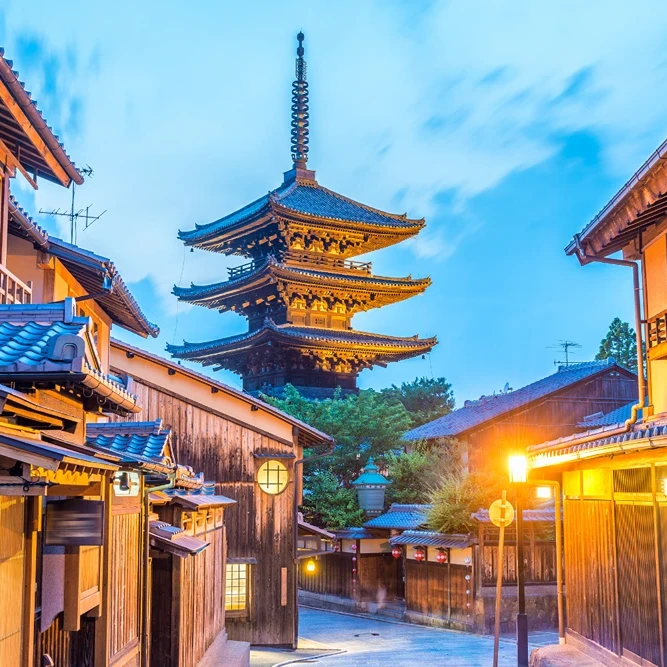

Is Hiroshima just about its tragic past, or does it offer more to today’s traveler? While the echoes of history undeniably shape this vibrant city, Hiroshima stands resilient, welcoming visitors with a diverse tapestry of experiences. From the poignant Peace Memorial Park to the commanding Hiroshima Castle, delve into the 10 best places to visit in Hiroshima today. This article not only unveils sites rich in historical significance but also invites readers to explore the warmth and cultural essence that define the city’s unique charm and resilience.
Discover Hiroshima’s Historical Sites
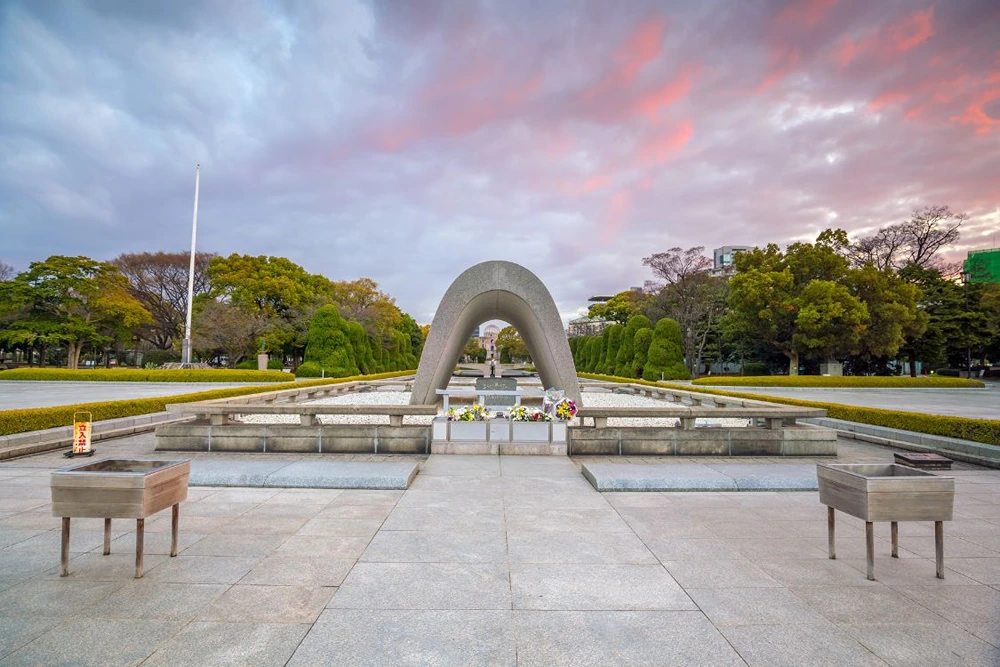
Hiroshima stands as a poignant symbol of resilience and remembrance, recognized globally for its historical significance as the first city to endure a nuclear attack. The city’s Peace Memorial Park serves as a solemn reminder of the devastating impact of the atomic bomb dropped during World War II. Spanning over 120,000 square meters, the park encompasses numerous monuments and memorials dedicated to the victims, including the iconic Atomic Bomb Dome. This preserved structure, a UNESCO World Heritage Site, withstood the blast and remains a powerful emblem of peace. Adjacent to the park, the Peace Memorial Museum offers an intense yet essential exploration of the bombing’s aftermath, with exhibits that deeply engage visitors in the stories of survivors and the broader implications of nuclear warfare.
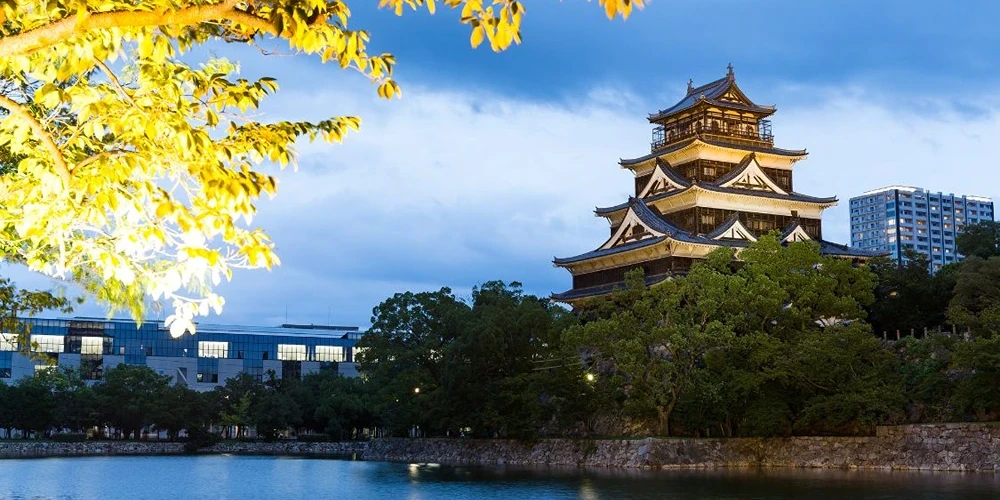
In addition to its wartime history, Hiroshima Castle, also known as Carp Castle, provides insight into the city’s pre-war era. Originally constructed in the late 16th century, the castle was destroyed by the atomic bomb but was faithfully reconstructed in the 1950s. Today, it houses a museum that showcases Hiroshima’s history prior to World War II, offering a glimpse into the life and culture of the time.
- Peace Memorial Park
- Atomic Bomb Dome
- Hiroshima Castle
- Hiroshima Victims Memorial Cenotaph
- Flame of Peace
Visitors keen on understanding Hiroshima’s past should plan for ample time at these sites to fully appreciate their historical and cultural contexts. It is advisable to start at the Peace Memorial Museum to gain a comprehensive understanding before exploring the park’s monuments. Engaging a local guide can enhance the experience, providing personal stories and insights that bring depth to the visit.
Scenic Beauty and Cultural Experiences on Miyajima Island
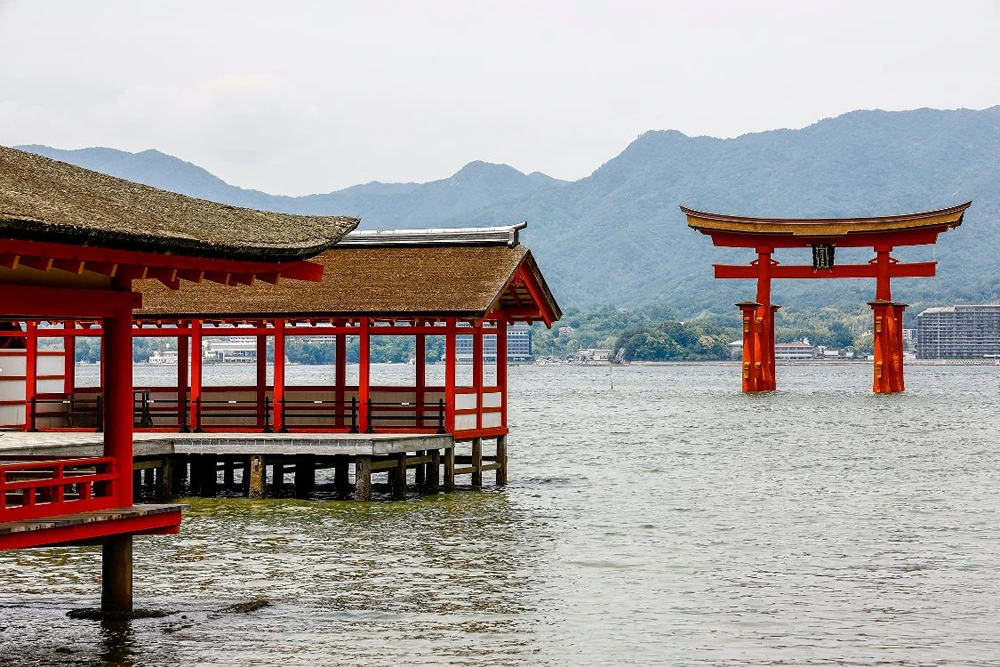
The cultural significance of Miyajima Island is deeply rooted in its most iconic landmark, the Itsukushima Shrine. Why is Itsukushima Shrine so important? The shrine is revered for its architectural beauty and spiritual significance, particularly its “floating” torii gate. This gate appears to float on the water during high tide, creating a mesmerizing view that has captivated visitors for centuries. As a UNESCO World Heritage Site, Itsukushima Shrine represents a harmonious blend of nature and spirituality, reflecting Japan’s Shinto beliefs. The shrine’s construction dates back to the sixth century, and its design is intended to embody the unity between the spiritual and natural worlds, offering a serene experience for pilgrims and tourists alike.
Mount Misen, another highlight of Miyajima Island, provides visitors with natural attractions that are both scenic and invigorating. What makes Mount Misen a must-see? The mountain offers breathtaking views of the Seto Inland Sea and the surrounding islands, making it a popular spot for hiking enthusiasts. At 535 meters, the summit can be reached via several trails or a ropeway, each providing unique perspectives of the island’s lush forest and panoramic views. The mountain is also significant in local folklore, with legends of Buddhist monk Kobo Daishi meditating in its caves.
Beyond its monumental shrine and mountain, Miyajima Island offers unique experiences that set it apart as a must-visit destination. The island is home to friendly deer that roam freely, often interacting with visitors. This interaction is a delightful aspect of the island’s charm. Additionally, Miyajima is known for its local treats, such as momiji manju, a maple leaf-shaped sweet filled with red bean paste, and grilled oysters, a local delicacy. These elements, combined with the island’s tranquil atmosphere, create an enriching cultural experience for all who visit.
| Attraction | Description |
|---|---|
| Itsukushima Shrine | UNESCO World Heritage Site, famous for its torii gate. |
| Mount Misen | Offers views and hiking trails. |
| Local Deer | Known for their friendly nature. |
Experiencing Hiroshima’s Local Cuisine and Nightlife
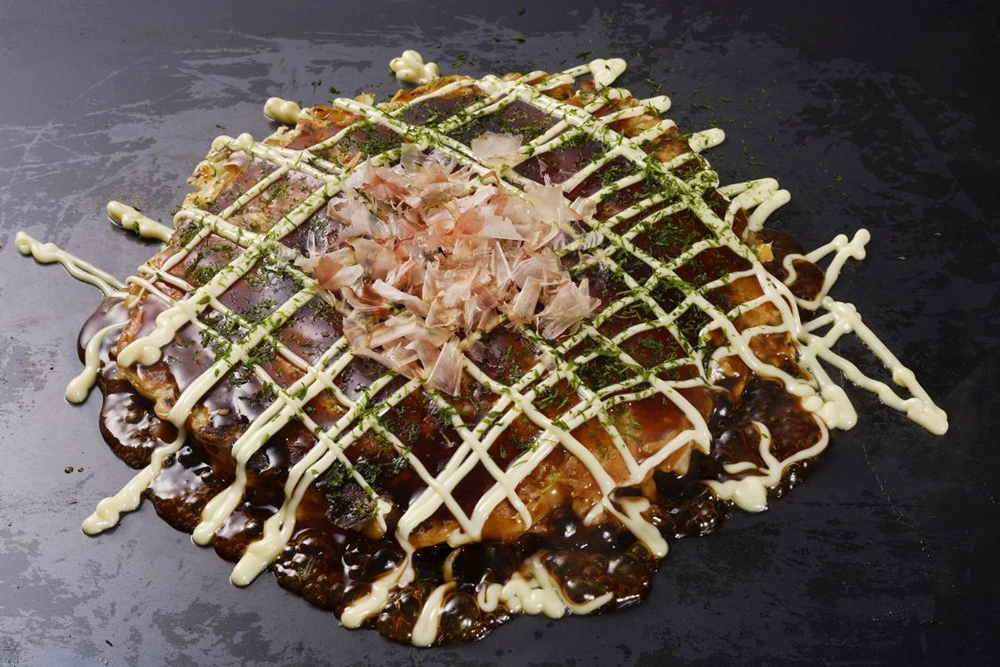
What makes Hiroshima-style okonomiyaki special? Unlike its Osaka counterpart, Hiroshima-style okonomiyaki is a layered savory pancake consisting of ingredients such as cabbage, noodles, and a variety of proteins, including pork or seafood. The preparation involves cooking the components separately before layering them on a crepe-like batter base. This method ensures that each layer retains its distinct texture, creating a delightful combination of flavors. The dish is typically topped with a generous drizzle of okonomiyaki sauce, mayonnaise, and a sprinkle of aonori seaweed, offering a balance of savory and slightly sweet notes. This iconic dish is a must-try for anyone visiting Hiroshima, providing a taste of the region’s culinary innovation.
The Nagarekawa district is the beating heart of Hiroshima’s nightlife. What can visitors expect here? This lively area is known for its bustling atmosphere, with a plethora of bars, izakayas, and entertainment venues lining the streets. Whether you’re interested in sampling sake at a traditional izakaya or enjoying live music at a modern bar, Nagarekawa offers a diverse range of options to suit all preferences. The vibrant nightlife here reflects Hiroshima’s dynamic culture, providing an opportunity to engage with locals and experience the city’s energetic spirit after dark.
- Hiroshima-style okonomiyaki
- Ramen
- Oysters
- Momiji manju
Must-See Attractions and Day Trips from Hiroshima
Hiroshima City is a treasure trove of historical and cultural landmarks, each offering a unique glimpse into the region’s past and present. What are the top attractions in Hiroshima City? The Peace Memorial Park stands out as a poignant reminder of the city’s resilience, housing significant monuments like the Atomic Bomb Dome and Hiroshima Victims Memorial Cenotaph. The nearby Peace Memorial Museum provides an insightful exploration into the impacts of the atomic bombing. For those seeking tranquility, Shukkeien Garden is a must-visit, known for its beautifully landscaped grounds and serene atmosphere. Another key site is Hiroshima Castle, also known as Carp Castle, which houses a museum dedicated to the city’s pre-war history.
Hiroshima’s tram system, Hiroden, makes navigating the city and reaching these attractions straightforward. How does the Hiroden tram system benefit tourists? The extensive network connects major tourist sites efficiently, allowing visitors to travel seamlessly across the city. This convenience is especially valuable for those with limited time, as it minimizes transit hassles and maximizes sightseeing opportunities. The Hiroden system is user-friendly, with clear signage and frequent service, making it an ideal mode of transport for exploring Hiroshima.
- Miyajima Island
- Sandankyo Gorge
- Mazda Museum
- Motonosumi Inari Shrine
- Mount Misen
- Daisho-in Temple
For travelers looking to expand their experience beyond Hiroshima City, several day trips offer enriching adventures. Miyajima Island, renowned for its “floating” torii gate at Itsukushima Shrine, is a highlight that combines cultural heritage with natural beauty. A typical itinerary could involve spending the morning at the Peace Memorial Park and Museum, followed by an afternoon at Shukkeien Garden. Day two could be dedicated to a trip to Miyajima Island, allowing ample time to explore its scenic and spiritual sites.
Final Words
Exploring the best places to visit in Hiroshima reveals a city rich in history, natural beauty, and cultural depth. Visitors will experience the poignant Peace Memorial Park and Museum, appreciate the pre-war history at Hiroshima Castle, and connect with the past at the Atomic Bomb Dome. Beyond historical sites, Miyajima Island offers spiritual and scenic allure, while Hiroshima’s cuisine and nightlife promise local flavors and lively experiences. The city’s unique combination of cultural heritage and modern vibrancy makes it a noteworthy destination for travelers seeking diverse and enriching experiences.
FAQ
Q: What are the best places to visit in Hiroshima according to Reddit recommendations?
A: The best places to visit in Hiroshima, per Reddit users, often include the Peace Memorial Park, Atomic Bomb Dome, Hiroshima Castle, Miyajima Island with Itsukushima Shrine, and Shukkeien Garden.
Q: What unique things can be done in Hiroshima?
A: Unique experiences in Hiroshima include visiting the Hiroshima Peace Memorial Museum, exploring Hiroshima Castle, taking a ferry to Miyajima Island, and tasting Hiroshima-style okonomiyaki.
Q: What are the best places to visit in Hiroshima at night?
A: The best places to visit at night include the Nagarekawa district for nightlife, Hiroshima’s Orizuru Tower for city views, and the illuminated Hiroshima Castle and Peace Boulevard.
Q: What can be done in Hiroshima for a day?
A: In a day, explore the Peace Memorial Park, Hiroshima Museum, visit the Atomic Bomb Dome, stroll through Shukkeien Garden, and savor Hiroshima-style okonomiyaki.
Q: What museum should be visited in Hiroshima?
A: Visitors should not miss the Hiroshima Peace Memorial Museum, which provides profound insights into the impact of the atomic bombing and Hiroshima’s recovery.
Q: How can one travel from Osaka to Hiroshima?
A: Travel from Osaka to Hiroshima is efficient by Shinkansen (bullet train), taking about 90 minutes. Alternately, express buses are available.
Q: What are popular activities for nighttime in Hiroshima?
A: Popular nighttime activities include exploring the vibrant Nagarekawa district, enjoying local cuisine, and visiting Hiroshima’s lighted historical sites.
Q: Where can one shop in Hiroshima?
A: Popular shopping areas include Hondori Street, Parco Department Store, and the Shintenchi area, offering a range of local and international brands.
Q: Is Hiroshima still worth visiting?
A: Hiroshima is worth visiting for its historical significance, powerful memorials, beautiful landscapes, unique cultural experiences, and vibrant food scene.
Q: What should one definitely see in Hiroshima?
A: Must-see sites include the Peace Memorial Park, Atomic Bomb Dome, Hiroshima Castle, Miyajima Island’s Itsukushima Shrine, and the Hiroshima Peace Memorial Museum.
Q: Is one day sufficient to experience Hiroshima?
A: While one day can cover key sites like the Peace Memorial Park and Hiroshima Museum, more time allows deeper exploration, including Miyajima Island.
Q: What is Hiroshima most famous for?
A: Hiroshima is most famous for the atomic bombing during World War II, the subsequent Peace Memorial Park, and the iconic Atomic Bomb Dome.