


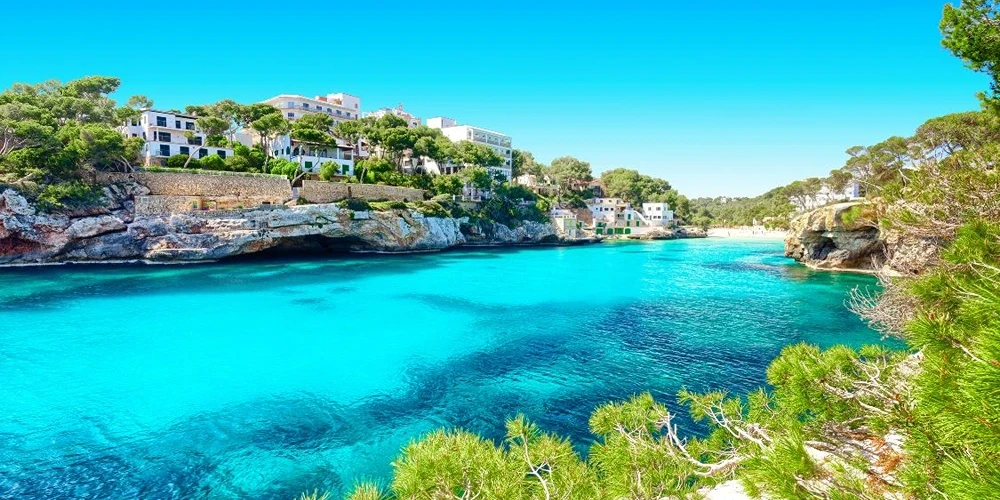
Is there ever a bad time to visit Spain, or does the secret lie in choosing the perfect moment based on your desires? Whether you dream of sun-soaked beaches or cultural escapades, understanding Spain’s diverse climate and seasonal variations is crucial for planning your trip. Spain’s geographical diversity means weather conditions vary widely between its northern and southern regions. This article delves into optimal travel periods, from bustling peak months to serene off-peak seasons, ensuring you experience the best of Spain’s vibrant culture, captivating landscapes, and renowned festivals.
Understanding Spain’s Climate for Optimal Travel
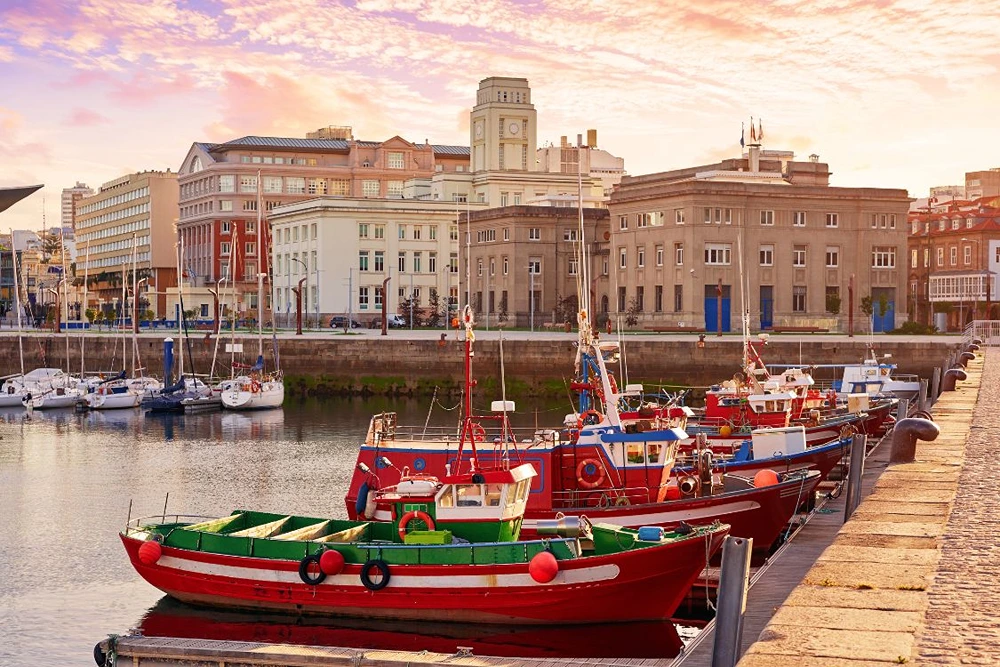
Spain’s climate diversity is a key consideration for travelers planning their visit. The country’s geographical variety results in significant climate variations across its regions. In the north, areas like Galicia and the Basque Country experience a wetter climate, marked by frequent rains and cooler temperatures throughout the year. In contrast, southern regions such as Andalusia are known for their warm and dry conditions, with minimal rainfall even in winter. Coastal cities like Barcelona and Valencia enjoy milder winters compared to the harsh summer heat of inland areas such as Madrid and Seville, where temperatures can soar to extreme levels during the summer months.
| Region | Climate Characteristics |
|---|---|
| Northern Spain | Frequent rain, cooler temperatures |
| Southern Spain | Warm and dry, minimal winter rainfall |
| Coastal Areas | Milder winters, moderate summer temperatures |
| Inland Cities | Extremely hot summers, cooler winters |
These climatic differences significantly influence the best times to travel across various regions of Spain. For instance, spring and fall are ideal for exploring the southern regions, providing comfortable weather and fewer tourists. Coastal areas can be visited year-round, but they are particularly pleasant in late spring and early fall when the beaches are less crowded. The northern regions, with their mild summers, are perfect for escaping the heat of the more southern and inland areas. Understanding these regional climate variations helps in planning a trip that aligns with both personal preferences and optimal weather conditions, ensuring a more enjoyable and hassle-free travel experience in Spain.
When to Visit Spain: Peak and Off-Peak Seasons
Spain’s peak tourist season spans from June to August, characterized by high temperatures and bustling attractions. During these months, destinations such as Madrid, Seville, and Barcelona experience an influx of visitors, resulting in crowded landmarks and increased accommodation prices. Beaches along the Costa del Sol and the Balearic Islands also see a surge in tourists, making it challenging to find peaceful spots. The intense summer heat, particularly in inland regions, can add discomfort to travel plans, urging travelers to consider cooler alternatives.
Off-peak travel, from November to March, presents travelers with the advantage of lower prices and fewer crowds. Although northern Spain can be quite cold during these months, the southern regions maintain mild temperatures, making them ideal for exploring without the summer hustle. Budget-conscious travelers benefit from reduced rates on flights and accommodations, providing an economical option for experiencing Spain’s rich culture and history.
- Less crowded attractions and landmarks
- More affordable accommodations
- Pleasant weather for outdoor activities
- Opportunity to experience local life more authentically
- Easier access to popular sites without long waits
Choosing the best time to visit Spain depends on personal preferences for weather, events, and budget considerations. Spring and fall are often seen as the ideal periods, as they offer a balance between pleasant weather, manageable crowds, and reasonable costs. These shoulder seasons allow for a more relaxed exploration of Spain’s diverse landscapes and cultural events, ensuring a memorable travel experience tailored to individual desires.
Key Festivals and Events to Plan Your Trip Around

Festivals in Spain offer travelers a vivid cultural experience, but they also significantly influence travel logistics. Recognizing the timing and impact of major events is crucial for optimizing travel plans. Large festivals draw considerable crowds, affecting accommodation availability and pricing. Planning around these events ensures a more seamless experience, whether seeking to participate in the festivities or to avoid the busiest periods.
Semana Santa
Semana Santa, celebrated in March or April, is one of Spain’s most significant religious events. Known for its elaborate processions, particularly in cities like Seville and Málaga, it attracts both locals and tourists in large numbers. The cultural significance of Semana Santa makes it a prime time for visitors interested in Spanish traditions. However, the influx of people can lead to crowded streets and increased accommodation costs. Booking lodgings well in advance is advisable to secure a comfortable stay during this iconic festival.
Running of the Bulls
The Running of the Bulls, part of the San Fermín festival in Pamplona, occurs in July. Renowned worldwide, this event draws thrill-seekers eager to witness or participate in the bull runs. Its popularity means accommodations fill quickly, often at premium prices. Travelers planning to attend should arrange their stay months ahead. Beyond the bull runs, the festival includes parades, music, and fireworks, offering a comprehensive cultural experience.
La Tomatina
La Tomatina, held in August in Buñol, is famed for its unique tomato-throwing spectacle. This festival’s lighthearted appeal attracts thousands of participants, turning the small town into a bustling hub. As a result, local accommodations can be scarce and pricey. Visitors often opt to stay in nearby Valencia and commute to Buñol for the event. Understanding these logistical challenges helps in planning a visit that captures the essence of Spain’s vibrant festival culture without unnecessary hassle.
A Month-by-Month Guide to Traveling in Spain
Understanding Spain’s diverse climate and event calendar is essential for planning an optimal visit. A month-by-month approach allows travelers to align their activities with the best seasonal conditions and local festivities. Whether you’re seeking cultural experiences, outdoor adventures, or relaxation by the sea, timing your trip to coincide with these aspects can enhance your travel experience significantly.
From January to March, Spain offers a blend of winter sports and early spring festivities. January is ideal for skiing enthusiasts with the Pyrenees and Sierra Nevada catering to winter sports lovers. As February arrives, Carnival celebrations begin, particularly vibrant in cities like Cadiz and Santa Cruz de Tenerife. By March, the weather starts to warm up, and the famous Las Fallas festival in Valencia marks the start of spring, drawing crowds with its spectacular parades and fireworks.
April through June is a prime period for sightseeing and enjoying Spain’s landscapes. April is synonymous with Semana Santa, which sees processions across the country. May brings milder temperatures, perfect for exploring cities such as Madrid and Barcelona, or the picturesque Andalucían towns. As June approaches, the beaches in regions like Costa del Sol and the Balearic Islands become increasingly inviting, setting the stage for a delightful start to summer.
The months of July to September are peak summer, ideal for beachgoers and festival enthusiasts. July hosts the San Fermín festival in Pamplona, famous for the Running of the Bulls. August sees La Tomatina in Buñol, offering a unique cultural experience. Despite the heat, coastal areas remain popular, with September offering a reprieve as temperatures begin to cool, providing a more relaxed atmosphere for beach visits.
October through December marks the transition to cooler weather and cultural explorations. October is an excellent time for wine lovers, with harvest festivals in regions such as La Rioja. November’s milder climate is suitable for exploring historic sites in cities like Seville and Granada. December brings festive Christmas markets, particularly enchanting in Barcelona and Madrid, alongside opportunities for winter sports as the season returns to the mountains.
- January: Skiing in the Pyrenees
- February: Carnival in Cadiz
- March: Las Fallas in Valencia
- April: Semana Santa celebrations
- May: Sightseeing in Madrid
- June: Beaches in Costa del Sol
- July: Running of the Bulls in Pamplona
- August: La Tomatina in Buñol
- September: Beach relaxation
- October: Wine festivals in La Rioja
- November: Exploring Seville
- December: Christmas markets in Barcelona
Tips for Budget-Friendly Travel in Spain
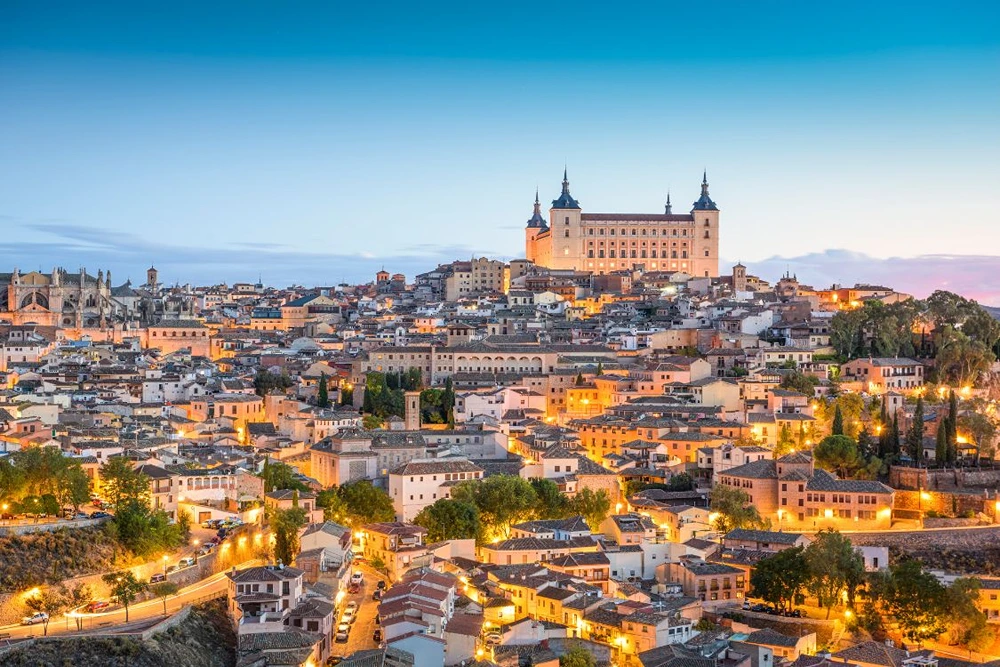
For budget-conscious travelers, the optimal time to visit Spain is during the off-peak months from November to March. This period offers significantly lower prices on flights and accommodations, making it the cheapest time to explore the country. While northern Spain can be chilly, southern regions like Andalusia provide more favorable weather conditions. Avoiding the holiday seasons within these months further ensures the best rates and a more leisurely travel experience without the crowds.
Cost-saving strategies are essential for maximizing a budget travel experience. Booking flights well in advance can secure better deals, as airlines often release promotional fares months ahead. Consider flying into less popular airports or opting for mid-week flights, which can typically be more affordable. Additionally, staying in budget-friendly accommodations such as hostels, guesthouses, or vacation rentals can reduce expenses, while self-catering options allow further savings on meals.
- Travel during off-peak times (November to March)
- Book flights early for promotional rates
- Choose budget accommodations like hostels
- Opt for self-catering facilities
- Use public transportation
Xpat Journeys offers invaluable assistance in planning a cost-effective trip to Spain. Their expertise in tailoring travel itineraries to individual budgets ensures a rewarding experience without overspending. By leveraging their knowledge of local deals and accommodations, travelers can enjoy a well-organized journey that aligns with their financial goals, making it a wise choice for those seeking budget-friendly travel solutions.
Experiences Unique to Each Season in Spain
Spain’s diverse climate and cultural calendar offer unique experiences throughout the year, making each season distinct in its appeal. Travelers can enjoy a variety of activities, from beach vacations and skiing to cultural festivities and city explorations. The choice of season can significantly influence the nature and enjoyment of travel experiences in Spain.
Spring in Spain
What are the main attractions during spring in Spain? Spring is celebrated for its cultural festivals and outdoor activities. From March to May, cities like Seville host Semana Santa, a major religious event marked by elaborate processions. The Feria de Abril follows, featuring flamenco, parades, and traditional Andalusian dress. Nature enthusiasts can explore the lush landscapes of regions like Asturias and Cantabria, where the weather is mild and conducive to hiking and sightseeing.
Summer in Spain
What makes summer travel to Spain popular? Summer is synonymous with beach vacations and lively events. From June to August, coastal regions such as the Costa del Sol and the Balearic Islands draw sun-seekers with their pristine beaches and vibrant nightlife. Festivals like San Juan, celebrated with bonfires on the beach, and the Running of the Bulls in Pamplona, offer thrilling experiences. Despite the heat, summer remains a favorite for those seeking sun-soaked leisure and cultural immersion.
Autumn in Spain
Why is autumn an attractive season for traveling to Spain? Autumn is favored for its pleasant weather and reduced tourist crowds. From September to November, the temperatures cool, creating ideal conditions for exploring cities and countryside alike. The grape harvest season invites wine enthusiasts to participate in wine tours and tastings in regions like La Rioja. Autumn’s serene atmosphere offers a more intimate experience of Spain’s cultural and natural attractions.
Winter in Spain
How does winter affect travel experiences in Spain? Winter presents opportunities for city escapes and winter sports. From December to February, cities such as Madrid and Barcelona offer cultural explorations with fewer crowds, while the Pyrenees and Sierra Nevada cater to skiing enthusiasts. The festive season brings Christmas markets and holiday events, adding a touch of charm to the urban experience. Winter is perfect for those seeking a blend of cultural enrichment and outdoor adventure.
Final Words
Traveling to Spain requires careful consideration of the varied climate and seasonal nuances that impact the best time to travel. Understanding these differences can enhance any travel experience. The importance of planning around peak and off-peak periods, festivals, and seasonal attractions cannot be overstated.
Equipped with insights into weather patterns, tourist traffic, and unique events, travelers can maximize their visit, blending cultural immersion with personal preferences. By aligning travel plans with these insights, visitors can enjoy the best time to travel to Spain and create unforgettable memories.
FAQ
Understanding Spain’s Climate for Optimal Travel
Q: What are the significant climate variations across Spain?
A: Spain experiences diverse climate regions. The north has more rain, the south is warmer and drier, coastal areas have milder winters, while inland cities like Madrid and Seville face hot summers.
Q: How do Spain’s climate variations influence travel planning?
A: Climate variations in Spain impact travel by dictating optimal times for specific activities. Travelers can plan beach trips during the hot southern summers or visit northern regions for a cooler experience.
When to Visit Spain: Peak and Off-Peak Seasons
Q: What are the characteristics of peak tourist season in Spain?
A: Peak season from June to August features high temperatures and crowded attractions. Prices tend to be higher, and accommodations may need booking well in advance.
Q: What are the benefits of traveling to Spain during off-peak months?
A: Off-peak months, November to March, offer cost savings on flights and hotels, fewer tourists, and the chance to enjoy attractions without long waits.
Q: What are the advantages of the shoulder season in Spain?
A: Shoulder season benefits include:
- Pleasant weather
- Fewer crowds
- Lower prices
- Extended daylight hours
- Opportunities for unique cultural experiences
Key Festivals and Events to Plan Your Trip Around
Q: How do Spanish festivals impact travel plans?
A: Major festivals draw large crowds, impacting accommodation availability and prices. Understanding festival timing helps in planning to enjoy or avoid such busy periods.
Semana Santa
Q: What should travelers know about Semana Santa in Spain?
A: Occurring in March or April, Semana Santa is culturally significant and attracts numerous visitors. Travel logistics may be affected due to road closures and crowded accommodations.
Running of the Bulls
Q: When is the Running of the Bulls, and why is it important for travelers?
A: Taking place in July, the Running of the Bulls in Pamplona is highly popular. Accommodations should be booked well in advance due to increased demand.
La Tomatina
Q: What makes La Tomatina a unique festival experience in Spain?
A: In August, La Tomatina in Buñol offers a one-of-a-kind, vibrant tomato-throwing event. Expect increased tourism and plan travel logistics accordingly.
A Month-by-Month Guide to Traveling in Spain
Q: Why is planning a trip to Spain by month beneficial?
A: Month-by-month planning aligns activities with seasonal weather and events, ensuring optimal experiences in skiing, sightseeing, beach visits, and cultural festivities.
Q: What seasonal activities should travelers consider when visiting Spain?
A: Seasonal activities in Spain include skiing in winter (Pyrenees), sightseeing in spring (March to May), beach visits in summer (June to August), and cultural experiences in fall and winter (November and December).
Tips for Budget-Friendly Travel in Spain
Q: When are the cheapest times to visit Spain?
A: The cheapest times to visit Spain are during off-peak months, November to March, when flights and accommodations are more affordable.
Q: What strategies help save money while traveling in Spain?
A: Cost-saving strategies include booking flights early, using public transportation, dining at local eateries, staying in budget accommodations, and avoiding major holiday seasons.
Q: How can Xpat Journeys assist in budget travel planning?
A: Xpat Journeys offers expert planning services for budget travelers, providing tailored itineraries and discount deals for a cost-effective Spanish vacation.
Experiences Unique to Each Season in Spain
Spring in Spain
Q: What unique activities are available during spring in Spain?
A: Spring offers cultural festivals and outdoor activities, with pleasant weather for exploration.
Summer in Spain
Q: What makes summer a favored travel season in Spain?
A: Summer is ideal for beach vacations and experiencing popular summer events along the coast.
Autumn in Spain
Q: How does autumn enhance the travel experience in Spain?
A: Autumn features fewer crowds, good weather, and opportunities for peaceful exploration.
Winter in Spain
Q: What does Spain offer to travelers during winter?
A: Winter in Spain allows for city escapes and engaging in winter sports, such as skiing in the Pyrenees.