

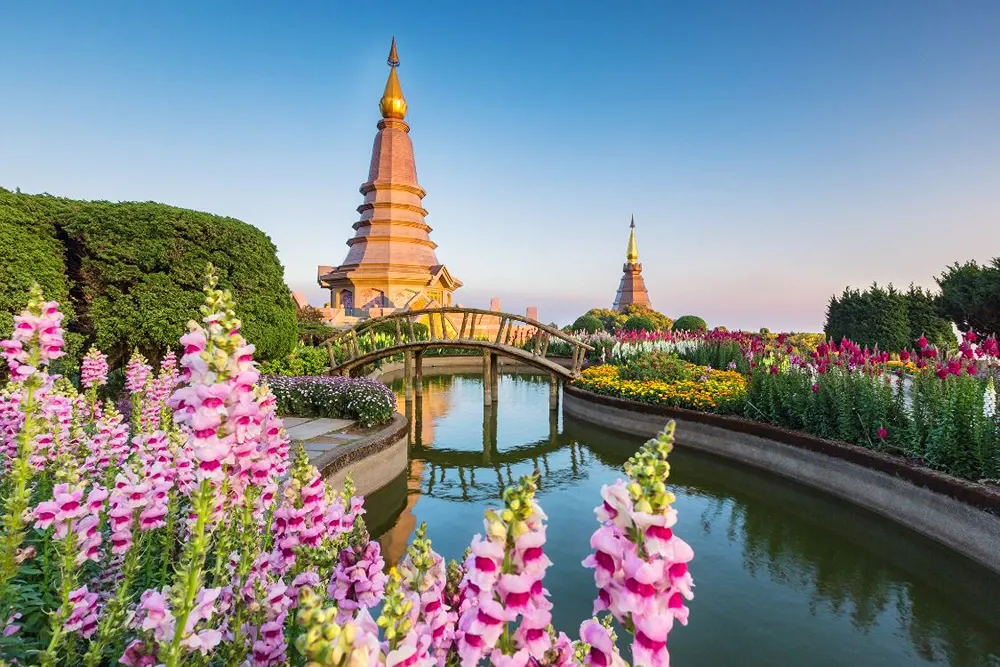
Chiang Mai, a city where ancient traditions blend seamlessly with vibrant modernity, offers a treasure trove of attractions for every traveler. But with so many sites, how do you decide which ones are truly worth your time? This guide reveals the top spots in Chiang Mai, focusing on its most mesmerizing temples, lively night markets, and serene natural escapes. Whether you're exploring spiritual sanctuaries or indulging in culinary delights, Chiang Mai promises a rich tapestry of experiences. Follow along to discover these must-visit locations that capture the essence of Northern Thailand.
Exploring the Top Temples in Chiang Mai
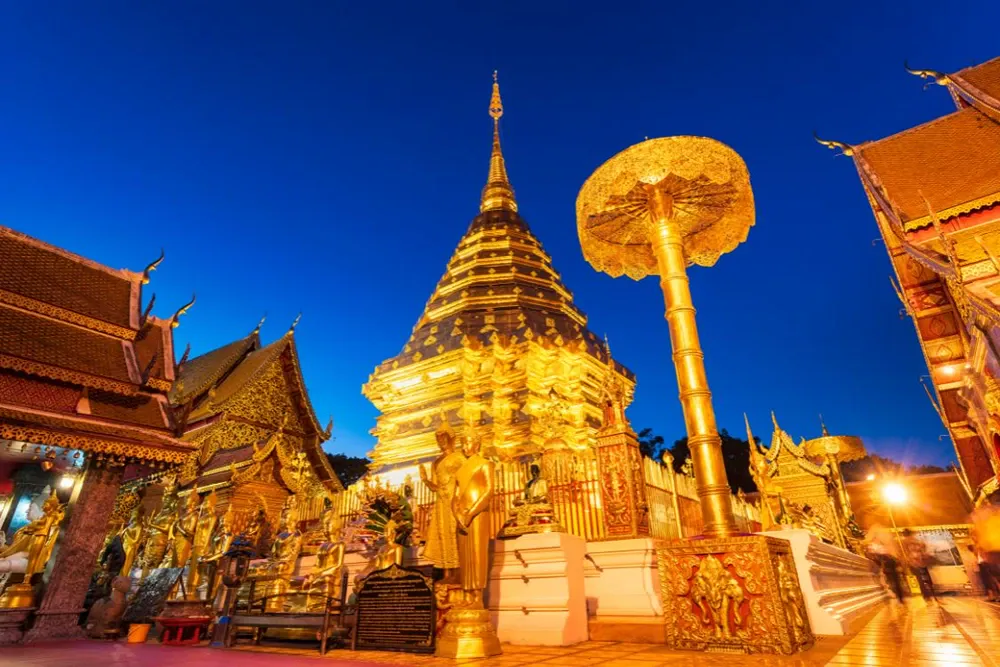
Wat Phra That Doi Suthep stands as one of Chiang Mai's most revered temples, offering a unique blend of cultural and historical significance. Located on the Doi Suthep mountain, the temple provides panoramic views of the city, making it a popular spot for both tourists and locals. The journey to this temple is part of the experience, with a scenic red truck ride costing approximately 60 baht. Historically, the temple holds immense religious importance, housing a replica of the Emerald Buddha and a relic of the Lord Buddha. Wat Phra Singh, another gem in Chiang Mai, is renowned for its intricate Lanna architecture and the revered Phra Singh Buddha. As a major pilgrimage site, it plays a crucial role during the Songkran festival. Meanwhile, Wat Chedi Luang impresses visitors with its massive stupa, which once housed the Emerald Buddha. Despite earthquake damage, the temple remains a testament to the city's resilience and spiritual heritage.
Each temple not only offers a spiritual ambiance but also provides unique experiences. Wat Phra That Doi Suthep, for instance, allows visitors to witness monks chanting amidst serene surroundings, enhancing the spiritual aura. Wat Phra Singh is notable for its exquisite murals that depict life in ancient Lanna. At Wat Chedi Luang, visitors can engage in monk chats to learn more about Buddhism and Thai culture. These temples are more than just religious sites; they are windows into the cultural and historical tapestry of Chiang Mai, providing enriching experiences for all who visit.
-
Entry fees are generally not required, but donations are appreciated.
-
The best times to visit are early mornings or late afternoons to avoid crowds.
-
Visitors should wear modest clothing, covering shoulders and knees, to ensure respectful visits.
Discovering Chiang Mai's Night Markets
Chiang Mai's night markets are a bustling hub of activity, offering a vibrant atmosphere filled with the sights and sounds of local life. The Sunday Night Market, stretching along Ratchadamnoen Road, is particularly popular for its diverse offerings. Here, visitors can explore an array of handmade crafts, unique souvenirs, and local snacks, all while soaking in the lively ambiance. The Night Bazaar, located on Chang Klan Road, is another must-visit spot. It provides a mix of traditional Thai goods and modern merchandise, making it a prime destination for both tourists and locals seeking a unique shopping experience.
These markets are not just about shopping; they are a deep dive into Chiang Mai's rich culture and culinary scene. Street food stalls serve a variety of local delicacies, offering everything from spicy sausages to sweet desserts. The markets also serve as cultural venues, with live performances and artisans showcasing their crafts. Visitors can enjoy traditional Thai music and dance, adding to the overall sensory experience. The night markets are a testament to Chiang Mai's vibrant cultural tapestry, providing a perfect blend of shopping, dining, and cultural exploration.
-
Best items to shop for: handmade crafts, souvenirs, local snacks.
-
Popular food stalls to try include those serving Khao Soi and mango sticky rice.
-
Tips for bargaining include starting at half the asking price and maintaining a friendly demeanor.
-
Recommended visiting hours are between 6 PM and 10 PM for the best experience.
Experiencing Nature in Chiang Mai: Waterfalls and Parks
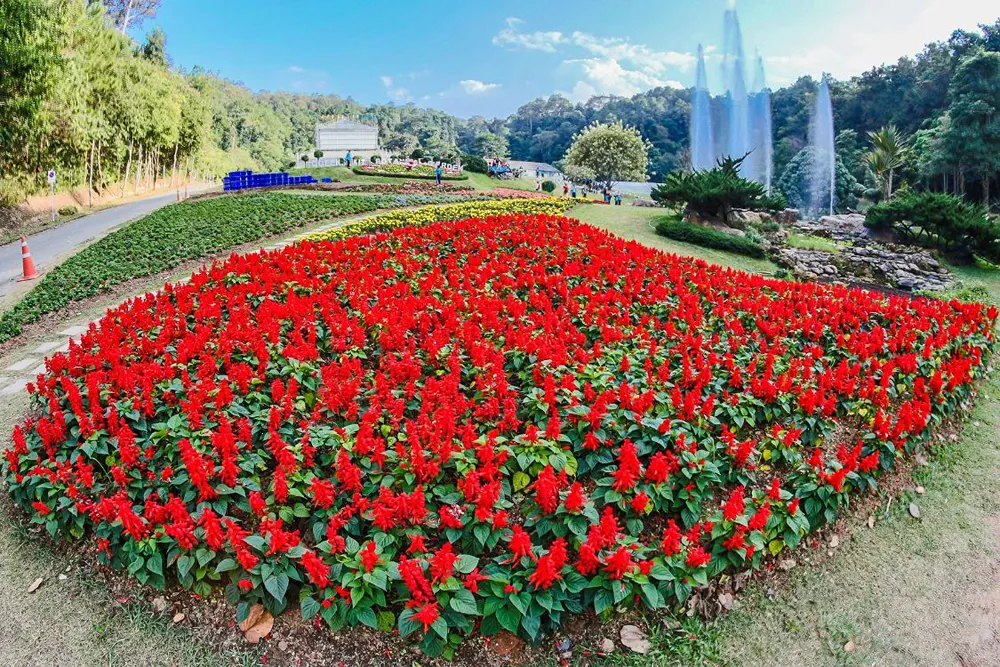
Chiang Mai's natural allure is showcased magnificently at Bua Thong Waterfalls and Doi Inthanon National Park. Known as the "Sticky Waterfalls," Bua Thong offers a unique climbing experience due to the mineral-rich waters that provide a non-slippery surface, making it a favorite among both locals and tourists. Visitors can enjoy a leisurely hike through lush surroundings or relax with a picnic by the cascading waters, embracing the serene ambiance. Doi Inthanon National Park, Thailand's highest peak, is renowned for its breathtaking vistas and diverse ecosystems. The park is home to iconic twin pagodas and a variety of hiking trails that cater to different skill levels, offering a chance to immerse in nature's tranquility while exploring the park's rich biodiversity.
For those interested in structured activities, guided tours in Doi Inthanon provide insightful explorations of its trails and historical pagodas. These tours are ideal for understanding the park's cultural and natural significance. Meanwhile, the Queen Sirikit Botanic Garden offers botanical enthusiasts a chance to explore a wide array of tropical flora. With well-maintained pathways and informative displays, the garden presents a perfect setting for a peaceful stroll amidst nature. Whether it's the thrill of climbing the "Sticky Waterfalls" or the serene exploration of diverse plant species at the botanic garden, Chiang Mai's natural sites promise memorable experiences.
Location Entry Fee Activities
Bua Thong Waterfalls Free Hiking, Picnicking
Doi Inthanon National Park 200 baht Hiking, Nature Tours
Queen Sirikit Botanic Garden 100 baht Botanical Exploration
Unique Cultural Experiences in Chiang Mai
Chiang Mai's cultural landscape is richly adorned with festivals and events that provide deep insights into the local traditions. The Loy Krathong festival, known for its beautiful floating lanterns, illuminates the city each November, creating a magical atmosphere along the Ping River. Participants release krathongs, small floating baskets, into the water as a symbolic act of letting go of negativity. Songkran, the Thai New Year celebrated in April, transforms the city into a vibrant water festival. Streets fill with locals and tourists engaging in friendly water fights, symbolizing the cleansing of the past year. These festivals are not only celebratory but also reflective of Chiang Mai's deep-rooted cultural values and community spirit.
Museums and traditional performances play a pivotal role in preserving Chiang Mai's rich cultural heritage. The Chiang Mai City Arts and Cultural Center offers a comprehensive overview of the city's history and traditions through interactive exhibits. Traditional performances, such as the Lanna folk music and dance showcased at various cultural venues, provide a glimpse into the region's artistic heritage. Attending these performances allows visitors to appreciate the intricate dance forms and musical styles that have been passed down through generations. These cultural institutions serve as guardians of the region's unique identity, ensuring that Chiang Mai's traditions remain vibrant and accessible.
Engaging with local crafts is another way to experience Chiang Mai's cultural richness. Artisan workshops offer hands-on opportunities to learn traditional skills such as pottery, weaving, and silverwork. These workshops not only provide insights into the craftsmanship behind Chiang Mai's renowned artisanal products but also support local artisans in preserving and continuing their crafts. Visitors can participate in creating their own pieces, taking home a personal memento of their cultural journey in Chiang Mai. Through these workshops, tourists gain a deeper understanding of the cultural significance and meticulous artistry involved in these traditional crafts.
Ethical Tourism Practices in Chiang Mai
When visiting wildlife sanctuaries in Chiang Mai, ethical considerations are paramount for ensuring the well-being of animals and supporting sustainable tourism. Avoid participating in activities like riding elephants, which can be harmful to their health. Instead, opt for sanctuaries that focus on rescue and rehabilitation, where visitors can observe elephants in their natural habitat. These sanctuaries emphasize education about conservation efforts, providing opportunities to learn about the challenges facing wildlife. By choosing responsible interactions, tourists contribute to the ethical treatment of animals and the preservation of Chiang Mai's natural heritage.
Must-Try Culinary Delights in Chiang Mai
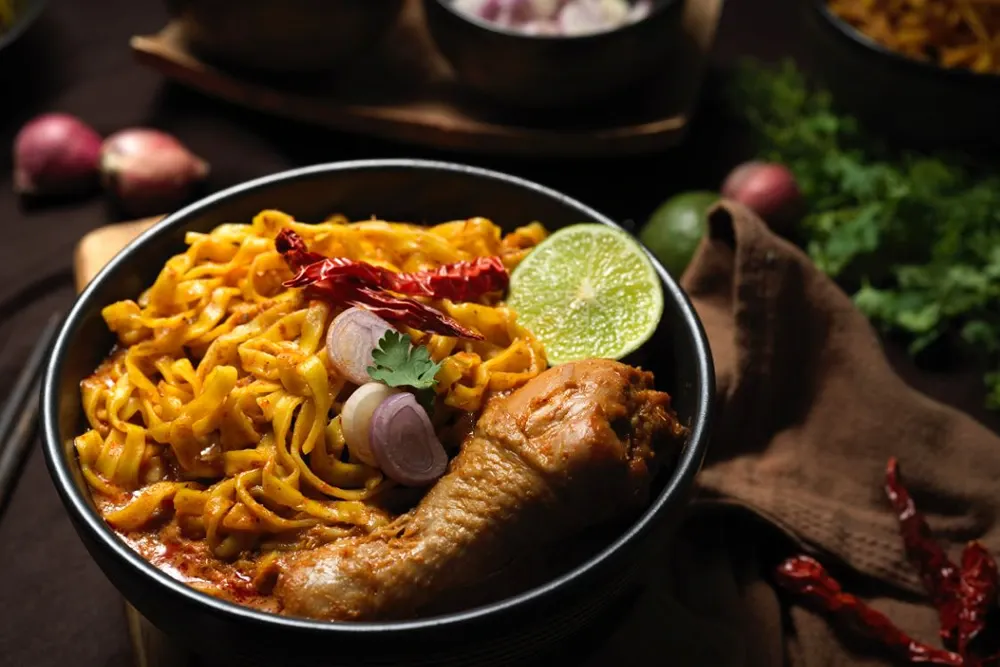
Chiang Mai's culinary scene is a vibrant tapestry of flavors, offering a wide range of dining experiences that cater to every palate. From bustling street food stalls to elegant dining along the Mae Ping River, the city showcases its rich culinary heritage in various forms. Street food enthusiasts will find themselves drawn to the aromatic stalls offering local favorites such as Khao Soi, a creamy coconut curry noodle soup that is a staple of Northern Thai cuisine. For those seeking a more refined experience, the riverside offers numerous fine dining establishments where the ambiance complements the exquisite dishes, often infused with local ingredients and flavors.
Cooking classes have become an integral part of Chiang Mai's culinary landscape, providing an interactive way to delve deeper into the regional cuisine. Places like the Secret Thai Cooking School offer hands-on sessions that allow participants to learn the art of preparing traditional Thai dishes. These classes not only teach cooking techniques but also emphasize the importance of fresh, local ingredients, providing insight into the culinary traditions that define Chiang Mai. They serve as an ideal platform for food lovers to engage with the local culture in a meaningful and delicious way.
-
Khao Soi from local street vendors.
-
Fine dining along the Mae Ping River.
-
Vegetarian and vegan options at Aum Vegetarian.
-
Cooking classes at Secret Thai Cooking School.
-
Traditional Northern Thai dishes like Sai Ua and Nam Prik Ong.
Navigating Chiang Mai's Old City
Chiang Mai's Old City is a captivating blend of history and culture, marked by its ancient walls and protective moats. How many temples are within the Old City? Over 30 temples, including significant sites like Wat Chedi Luang and Wat Chiang Man. These spiritual landmarks reflect the architectural and cultural heritage of the region. Wat Chedi Luang, once home to the Emerald Buddha, displays a majestic stupa that draws visitors to its historical allure. Wat Chiang Man, as the oldest temple in the city, offers a glimpse into the past with its peaceful garden setting and ancient relics. The Old City is not just about temples; its layout, with narrow streets and bustling markets, provides a pedestrian-friendly experience that invites exploration.
Visitors will find navigating the Old City straightforward, thanks to available maps that guide them through its historical corridors. What is the best way to experience cultural events here? Attending these events, often held near the moat, offers insight into local traditions and enhances the cultural immersion. The Old City frequently hosts festivals and markets that showcase Chiang Mai's vibrant community spirit. As you wander through its streets, the aroma of street food, the sound of traditional music, and the sight of local artisans create a tapestry of experiences. Exploring Chiang Mai's Old City is a journey through time, offering a window into the region's rich heritage and lively present.
-
Route 1: Wat Chedi Luang to Wat Phra Singh.
-
Route 2: Tha Phae Gate to Wat Chiang Man.
-
Route 3: Cultural event venues along the moat.
-
Route 4: Shopping and dining streets within the Old City.
Final Words
In exploring the best places to visit in Chiang Mai, travelers are invited to delve into its rich offerings. Wat Phra That Doi Suthep, Wat Phra Singh, and Wat Chedi Luang anchor any cultural journey with their historical depth and unique features. Vibrancy is alive in the bustling night markets, offering a taste of local life and cuisine.
Nature lovers find solace among breathtaking waterfalls and parks, while the city’s cultural festivals and ethical tourism practices underscore its community spirit. Chiang Mai's unique blend of past and present promises a rewarding experience for any visitor.
FAQ
Q: What should not be missed in Chiang Mai?
A: Notable attractions include Wat Phra That Doi Suthep with its panoramic views, the vibrant Sunday Night Market, and the historic Old City with its numerous temples.
Q: What is the nicest part of Chiang Mai?
A: The Old City is often considered the nicest part due to its historical significance, pedestrian-friendly streets, and abundance of cultural sites.
Q: What is Chiang Mai best known for?
A: Chiang Mai is best known for its rich temple culture, vibrant night markets, and as the gateway to Northern Thailand's scenic landscapes.
Q: How many days are enough to visit Chiang Mai?
A: A minimum of three to four days is recommended to explore the main attractions, including temples, markets, and nearby natural sites.
Q: What are some unique things to do in Chiang Mai?
A: Unique experiences include visiting ethical elephant sanctuaries, exploring artisan workshops, and participating in traditional festivals like Loy Krathong.
Q: What to do in Chiang Mai Old City?
A: Explore over 30 temples, enjoy cultural events, and walk along ancient walls and moats for a glimpse into Chiang Mai's history.
Q: What places can families visit in Chiang Mai?
A: Families can visit Chiang Mai Zoo, Bua Thong Waterfalls for nature outings, and the Night Safari for wildlife experiences.
Q: What are the best things to do in Chiang Rai?
A: Visit the White Temple, Black Museum, and enjoy the scenic beauty of Doi Tung gardens and tea plantations.
Q: What can be found at the Chiang Mai night market?
A: The market offers street food, handmade crafts, souvenirs, and a lively atmosphere reflecting local culture.
Q: Where can tourists find a map of Chiang Mai tourist attractions?
A: Tourist maps are available at hotels, tourist information centers, and online resources for easy navigation throughout the city.