

Could Kyoto be the world's most enchanting city? Renowned for its rich cultural heritage, this ancient Japanese capital offers travelers a mesmerizing blend of tradition and beauty. From its iconic temples adorned in gold to serene bamboo groves that whisper tales of centuries past, Kyoto captivates every visitor fortunate enough to wander its storied streets. This article presents five must-visit places, each promising to transform a simple itinerary into a journey through time and wonder. Delve deep into what makes Kyoto a destination like no other, where history and beauty intersect at every corner.
Top Kyoto Attractions: A Guide to Must-Visit Places
Kyoto offers a profound cultural experience, attracting travelers with its historical landmarks and scenic beauty. This city, once the capital of Japan, is steeped in tradition and history, making it a prime destination for those interested in the cultural tapestry of Japan. Visitors are drawn to Kyoto not only for its architectural marvels but also for the breathtaking natural landscapes that change with the seasons. From cherry blossoms painting the city pink in spring to vibrant autumn foliage, Kyoto provides a picturesque backdrop for exploration.
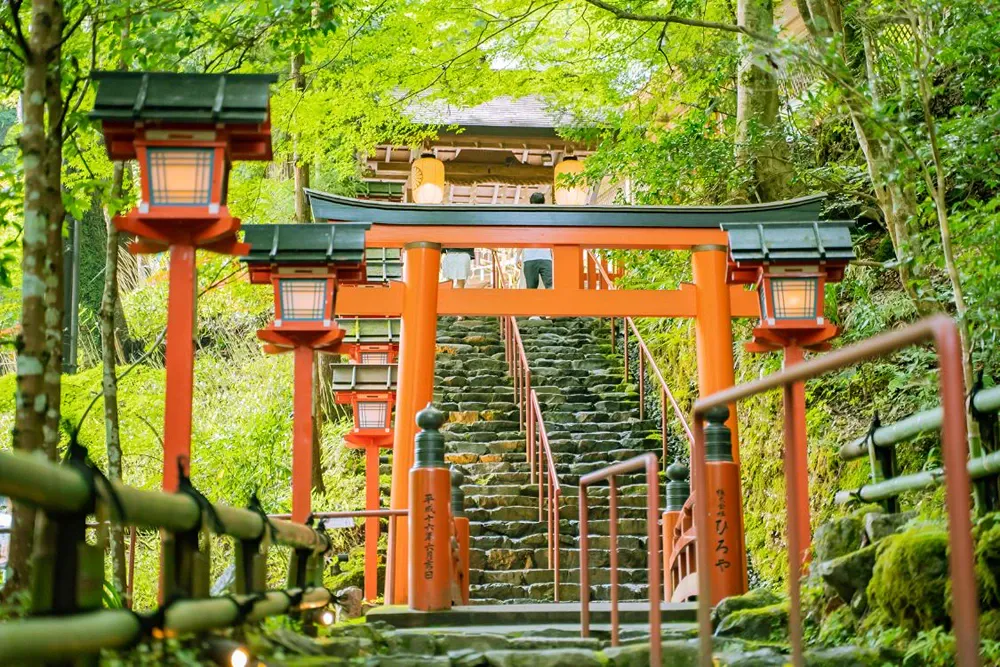
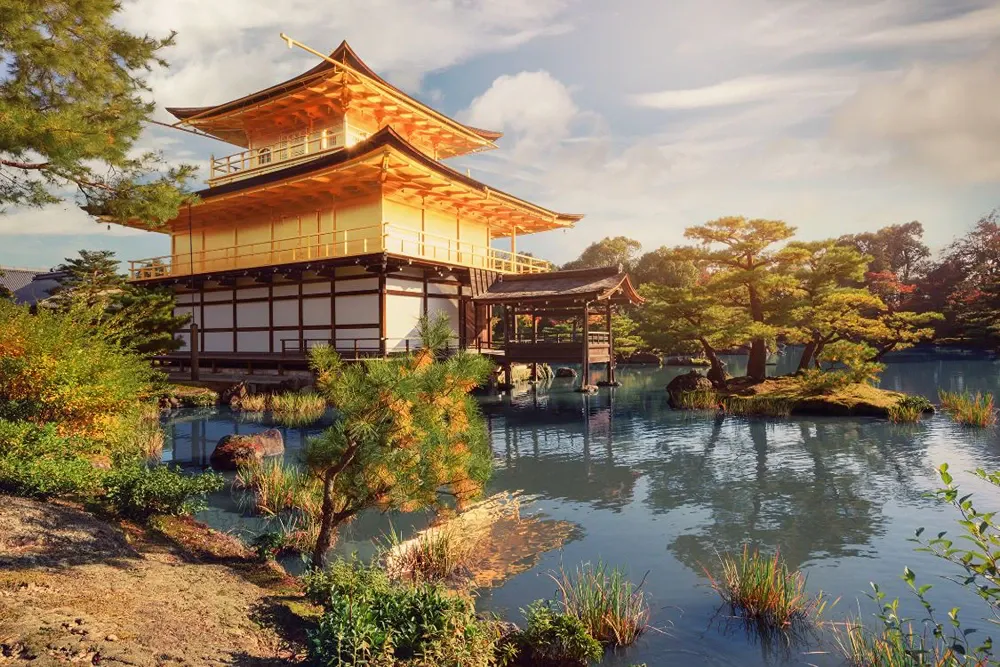
Kyoto is defined by its iconic attractions that capture both the spiritual and aesthetic essence of Japan. The Fushimi Inari Shrine stands out with its thousands of vermilion torii gates, offering a unique and spiritual experience as visitors hike through the trails. Kinkaku-ji, or the Golden Pavilion, dazzles with its gold-leafed exterior, reflecting beautifully on the surrounding pond. The serene Arashiyama Bamboo Grove, the historic charm of the Gion District, and the panoramic views from Kiyomizu-dera Temple further solidify Kyoto's place as a must-see destination. Each site contributes to the city's rich heritage, providing a comprehensive view of Kyoto's historical and scenic allure.
-
Fushimi Inari Shrine
-
Kinkaku-ji Temple
-
Arashiyama Bamboo Grove
-
Gion District
-
Kiyomizu-dera Temple
Exploring Kyoto's Temples and Shrines: A Spiritual Journey
Fushimi Inari Shrine
What makes the Fushimi Inari Shrine a spiritual journey? The thousands of vermilion torii gates create a mesmerizing pathway that invites visitors into a profound cultural experience. These gates, donated by individuals and organizations, symbolize prosperity and success, a testament to the shrine's significance in Japanese culture. As visitors ascend Mount Inari, they encounter smaller shrines and tranquil spots for reflection. This spiritual journey is not only a pilgrimage but also an exploration of nature's beauty intertwined with human devotion, making it a must-visit for those seeking to understand Kyoto's spiritual depth.
Kinkaku-ji Temple
Why is Kinkaku-ji Temple considered an architectural marvel? Known as the Golden Pavilion, Kinkaku-ji is a Zen Buddhist temple that captivates with its shimmering gold leaf exterior. Set against the backdrop of lush gardens and a tranquil pond, the temple's reflection on the water creates a breathtaking view. Originally built as a retirement villa for a shogun, it became a temple after his death. The stunning architecture and serene environment offer a glimpse into Japan's artistic and cultural heritage, making it a highlight of any Kyoto itinerary.
Kiyomizu-dera Temple
What makes Kiyomizu-dera Temple historically significant? As a UNESCO World Heritage site, Kiyomizu-dera is celebrated for its wooden stage that projects over the hillside, providing panoramic views of Kyoto, especially breathtaking during cherry blossom and autumn foliage seasons. Dating back to 778 AD, the temple is dedicated to Kannon, the goddess of mercy. Its historical significance lies in its role as a spiritual center and its architectural ingenuity, with the stage built without the use of nails. Kiyomizu-dera is an enduring symbol of Kyoto's rich religious and cultural history, offering insight into Japan's past and present.
Kyoto's Scenic Spots and Natural Beauty
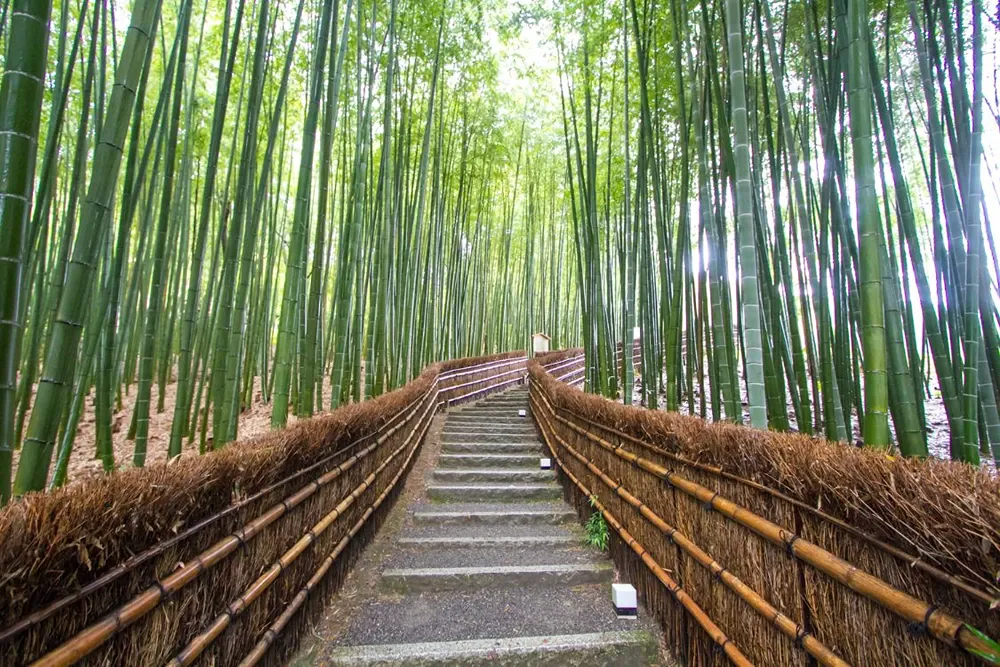
Why visit the Arashiyama Bamboo Grove? Its towering bamboo stalks create an enchanting pathway that offers a tranquil escape from the bustling city. The grove's ethereal atmosphere provides a unique natural experience, ideal for leisurely walks. Nature lovers will find solace in the gentle rustling of the bamboo leaves, making it a popular spot for reflection and relaxation. As visitors stroll through the grove, they can also explore nearby attractions such as the iconic Togetsukyo Bridge and the serene Tenryu-ji Temple, adding depth to their visit.
What makes the Philosopher's Path a must-see? This picturesque stone path, lined with cherry blossom trees, offers a scenic route perfect for leisurely walks and temple visits. Spanning approximately two kilometers, the path connects several important temples and shrines, including Ginkaku-ji and Nanzen-ji. During spring, the cherry blossoms create a stunning canopy, while autumn transforms the path with vibrant foliage. The Philosopher's Path not only provides visual delight but also invites contemplation, as it was once a favorite meditation route for the influential philosopher Nishida Kitaro.
Scenic Spot Best Season to Visit
Arashiyama Bamboo Grove Late Fall
Philosopher's Path Spring and Fall
Kyoto Cherry Blossom Viewing Spring
Historical Landmarks and Cultural Experiences in Kyoto
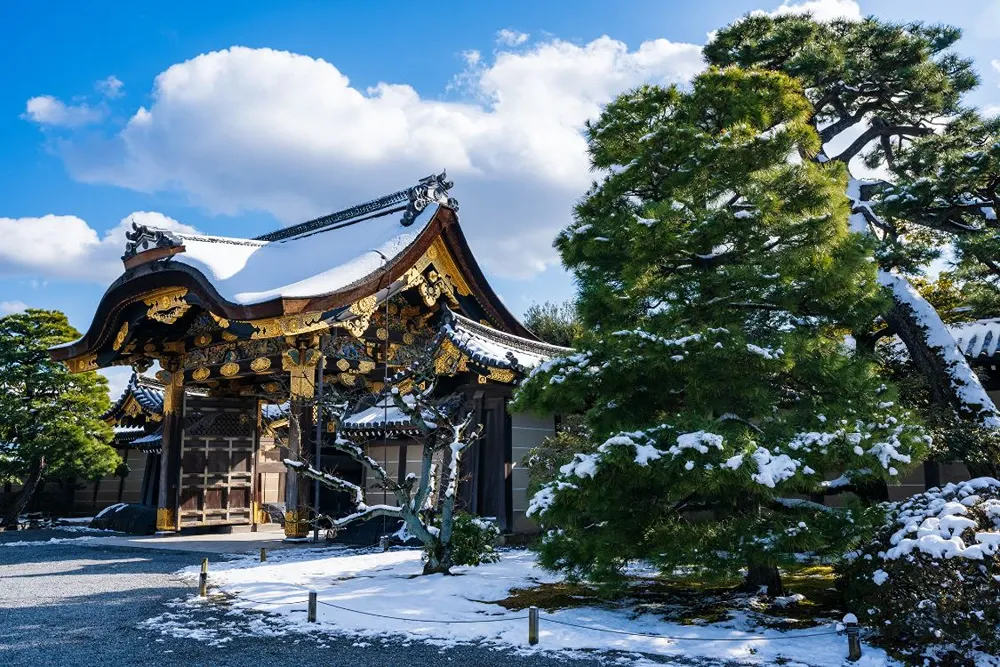
What makes Nijo Castle a significant historical landmark? Nijo Castle is a UNESCO World Heritage site that exemplifies the grandeur of the Edo period. Its most distinctive feature is the nightingale floors, designed to chirp melodically when walked upon, serving as an ancient security measure to protect against intruders. The castle's architecture showcases intricate woodwork and lavish interiors, reflecting the power and prestige of the shoguns. As visitors explore the castle grounds, they can admire the beautifully landscaped gardens, which offer a glimpse into the aesthetic principles of Japanese garden design. Nijo Castle provides an immersive experience into the political and cultural history of Kyoto, making it a must-visit destination.
Why is the Kyoto Imperial Palace an architectural marvel? The Kyoto Imperial Palace stands as a testament to Japan's imperial history, having served as the residence of the Emperor until the capital moved to Tokyo in 1868. The palace complex is a masterpiece of classical Japanese architecture, featuring elegant structures with traditional wooden construction and intricate decorative details. Surrounded by the vast Kyoto Gyoen National Garden, the palace offers a serene environment for visitors to explore. The meticulously maintained gardens and the grandeur of the palace buildings provide insight into the imperial lifestyle and the cultural heritage of Japan. Guided tours offer a deeper understanding of the palace's historical significance and its role in shaping Japanese history.
What cultural experiences can be found in Kyoto related to samurai history and traditional ceremonies? Kyoto offers a rich tapestry of cultural experiences that delve into its samurai history and traditional practices. Visitors can participate in samurai history tours that explore the lives and legacies of these legendary warriors, offering insights into their code of conduct and their impact on Japanese society. Additionally, Kyoto is renowned for its traditional ceremonies, such as the tea ceremony, which embodies the principles of harmony, respect, purity, and tranquility. Engaging in these cultural activities allows visitors to connect with the spiritual and historical roots of Kyoto, providing a deeper appreciation of its enduring cultural legacy.
Kyoto's Culinary Delights and Local Markets
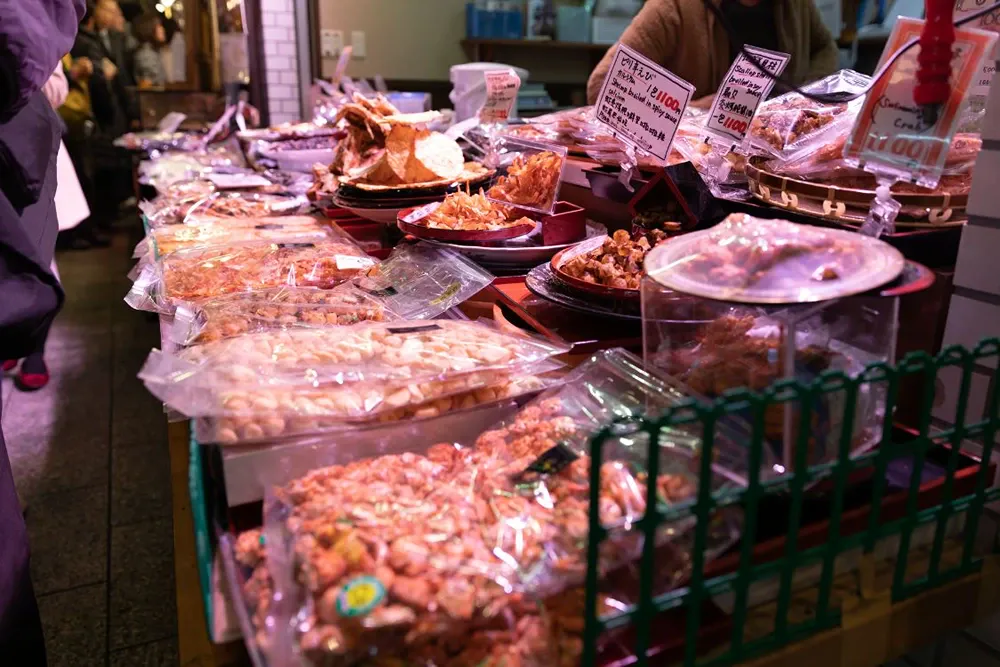
Why is Nishiki Market considered "Kyoto's Kitchen"? It is a bustling shopping street that offers a sensory feast with its diverse array of food stalls and shops. Visitors can wander through this vibrant market to sample an assortment of local delicacies ranging from fresh seafood to pickled vegetables, all showcasing the unique flavors of Kyoto cuisine. As well as its culinary offerings, Nishiki Market provides an opportunity to purchase traditional crafts, making it not only a food lover's paradise but also a cultural experience. This dynamic market captures the essence of Kyoto's food scene, blending traditional and modern culinary delights in a lively atmosphere.
What role do traditional tea houses play in Kyoto's culture? They are central to the city's rich cultural heritage, offering a serene setting for the practice of the traditional tea ceremony. This ceremony is more than a mere beverage preparation; it is a ritual that embodies the principles of harmony, respect, purity, and tranquility. Participating in a tea ceremony allows visitors to connect with the spiritual aspects of Japanese culture and appreciate the meticulous art of tea preparation. Kyoto's tea houses, with their tranquil ambiance and attentive hosts, provide an authentic glimpse into the city's long-standing traditions, making them an integral part of any visit to Kyoto.
-
Sampling street food at Nishiki Market
-
Participating in a traditional tea ceremony
-
Exploring local crafts and souvenirs
-
Enjoying Kyoto's signature dishes at local eateries
Final Words
Exploring Kyoto offers travelers a captivating journey through its historical landmarks, scenic spots, and rich cultural experiences. From the iconic Fushimi Inari Shrine to the serene Arashiyama Bamboo Grove, these renowned attractions define the best places to visit in Kyoto.
Kyoto's spiritual and culinary traditions, along with its significant historical sites like Nijo Castle, enrich any visitor's experience. Embracing both ancient architecture and vibrant local markets, Kyoto provides a profound immersion into Japan's heritage.
This cultural treasure promises travelers both awe-inspiring sights and memorable experiences.
FAQ
What are the best places to visit in Kyoto?
Kyoto's best places include Fushimi Inari Shrine, Kinkaku-ji Temple, Arashiyama Bamboo Grove, Gion District, and Kiyomizu-dera Temple. These sites offer historical significance, cultural richness, and picturesque scenery.
What is the significance of Fushimi Inari Shrine?
The Fushimi Inari Shrine is significant for its thousands of red torii gates, which create a spiritual and picturesque experience. It's a cultural icon of Kyoto and offers a deep spiritual journey for visitors.
Why is Kinkaku-ji Temple a must-visit attraction?
Kinkaku-ji Temple, also known as the Golden Pavilion, is a must-visit due to its architectural beauty, gold leaf exterior, and serene gardens. Its reflection in the surrounding pond adds to its visual splendor.
What makes Kiyomizu-dera Temple unique?
Kiyomizu-dera Temple is unique for its wooden stage providing stunning views of cherry and maple trees. As a UNESCO World Heritage site, it offers both historical context and breathtaking scenery.
What can visitors expect at Arashiyama Bamboo Grove?
Visitors to Arashiyama Bamboo Grove can expect a serene natural experience with towering bamboo stalks creating a peaceful setting. It's ideal for leisurely walks and offers a unique slice of nature.
What is the Philosopher's Path?
The Philosopher's Path is a scenic walking route lined with cherry blossom trees. It connects significant temples and shrines, making it perfect for leisurely exploration while enjoying Kyoto's natural beauty.
Why visit Nijo Castle in Kyoto?
Nijo Castle is worth visiting for its historical significance, Edo period architecture, and nightingale floors that chirp when walked upon. It's a UNESCO World Heritage site offering insights into Japan's samurai past.
What experiences does the Kyoto Imperial Palace offer?
The Kyoto Imperial Palace offers a glimpse into Japan's imperial history with its grand architecture. Its picturesque gardens enhance the visit, providing both historical and aesthetic appeal.
What is Nishiki Market known for?
Nishiki Market, known as "Kyoto's Kitchen," offers a bustling atmosphere where visitors can sample local delicacies and purchase traditional crafts, making it a hub for culinary and cultural exploration.
What are some quintessential Kyoto culinary experiences?
Quintessential Kyoto culinary experiences include sampling street food at Nishiki Market, participating in a traditional tea ceremony, exploring local crafts, and enjoying Kyoto's signature dishes at local eateries.