
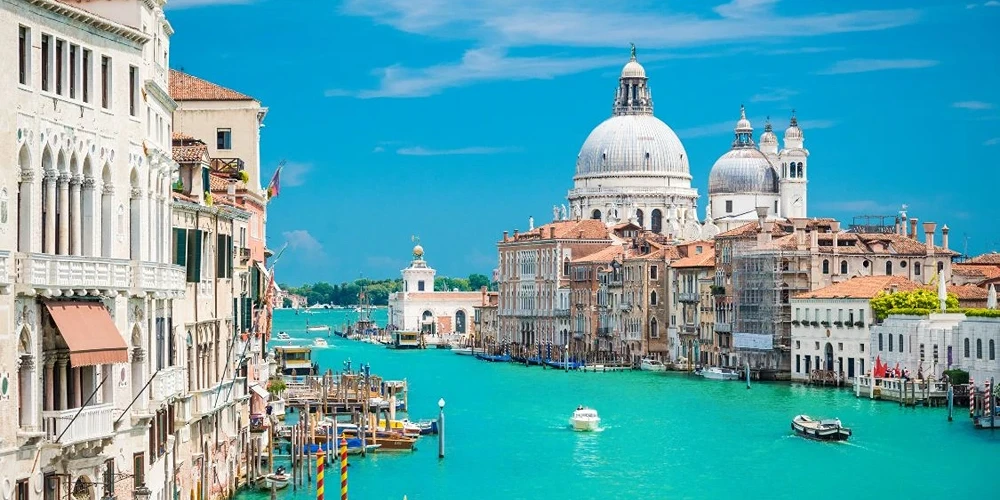
What if visiting Venice didn’t just mean floating down canals? Imagine iconic landmarks that narrate the city’s rich history and artistry. In “Best Places to Visit in Venice: Top Picks,” discover why St. Mark’s Basilica and Piazza San Marco top any traveler’s list. These cultural symbols offer more than just architectural beauty; they weave the city’s soul with intricate Byzantine art and vibrant local life. Ready to navigate through Venice’s enchanting treasures? Here, Xpat Journeys unveils how to make the most of these must-see locations with practical insights and insider tips.
Exploring Iconic Landmarks: St. Mark’s Basilica and Piazza San Marco
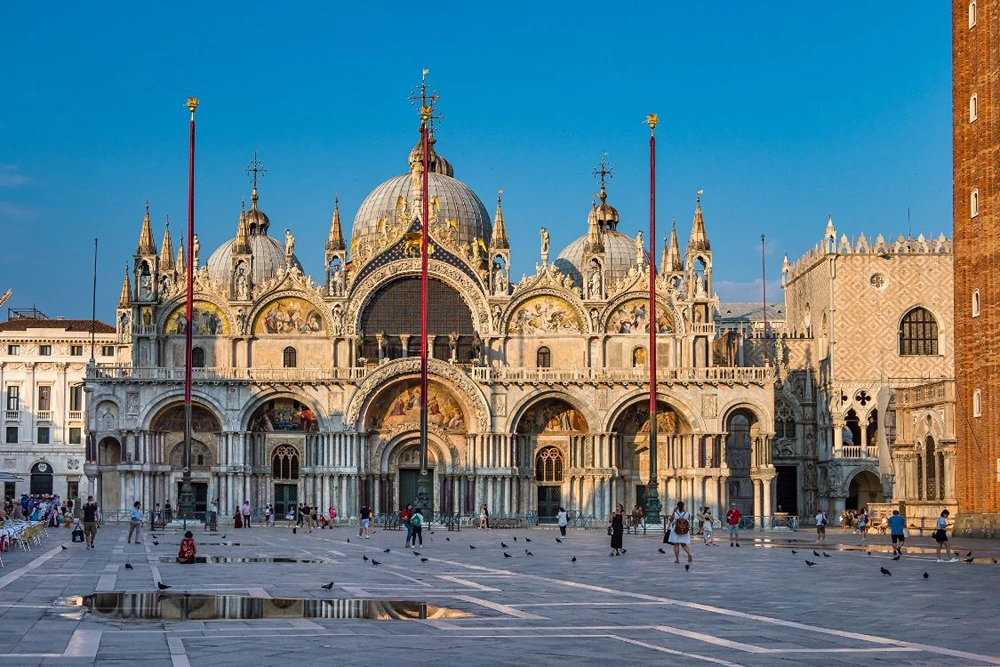
St. Mark’s Basilica stands as a testament to Venice’s rich history and architectural prowess. Known for its stunning Byzantine architecture, the Basilica dazzles visitors with its intricate facade and opulent golden mosaics. This religious monument is not only a masterpiece of design but also a symbol of Venice’s historical and cultural significance.
- St. Mark’s Basilica
- Campanile bell tower
- Historic cafes
- Procuratie Nuove
- Museo Correr
Practical tips for visiting these iconic landmarks can enhance your experience. Booking tickets online for St. Mark’s Basilica and the Campanile bell tower is advisable to sidestep lengthy queues, particularly during peak tourist seasons. The optimal visiting times are early morning or late afternoon, when crowds are thinner, allowing for a more intimate exploration. While in Piazza San Marco, take time to savor the ambiance at one of the historic cafes, offering a perfect vantage point to admire the square’s architectural grandeur.
A Journey Through Time: The Grand Canal and Rialto Bridge
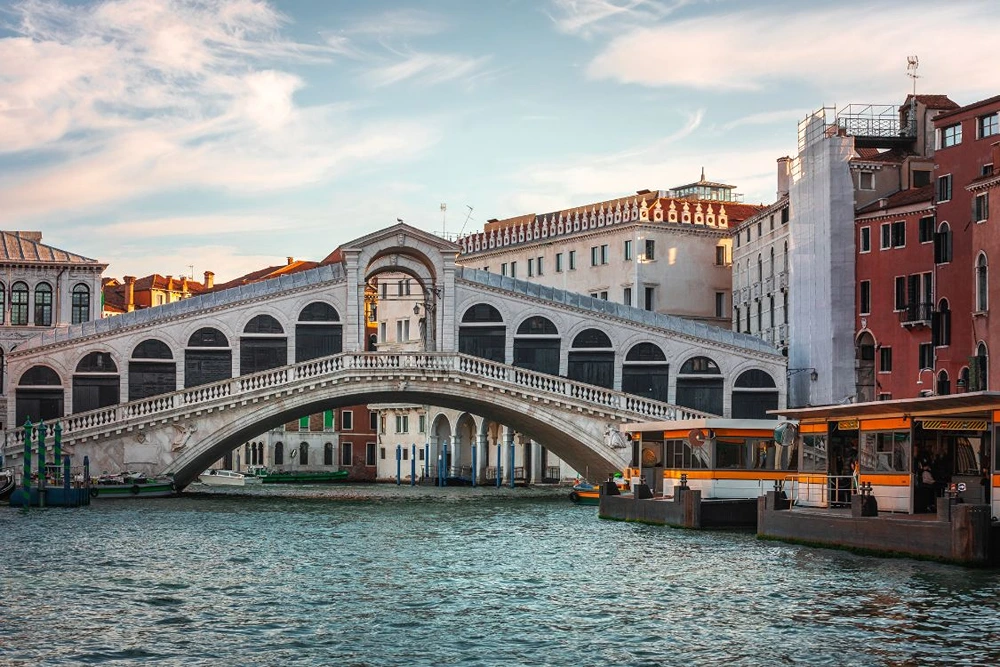
The Grand Canal is the main artery of Venice, winding through the city and offering breathtaking views of palaces and historic buildings. It’s best explored by gondola or vaporetto, each providing a unique perspective of Venetian life. A gondola ride, though more expensive, offers a romantic and personal experience, while vaporetto rides are practical and cost-effective, allowing visitors to traverse the canal at their own pace. As the canal traverses through the heart of Venice, it showcases the city’s rich architectural heritage, making it a must-see for any visitor.
- Stunning views from the bridge itself
- Exploring the Rialto Market
- Photography opportunities of the Grand Canal
- Dining at nearby canal-side restaurants
Navigating the area around the Rialto Bridge requires some planning. It’s recommended to visit early in the morning to avoid the midday crowds that flock to this popular spot. Taking the time to explore the Rialto Market is worthwhile for its fresh produce and lively atmosphere. Comfortable walking shoes are essential, as the area is best explored on foot. Keep an eye out for the many small boutiques and cafes that line the pathways, offering a taste of local Venetian culture.
Cultural Riches: Doge’s Palace and Accademia Gallery
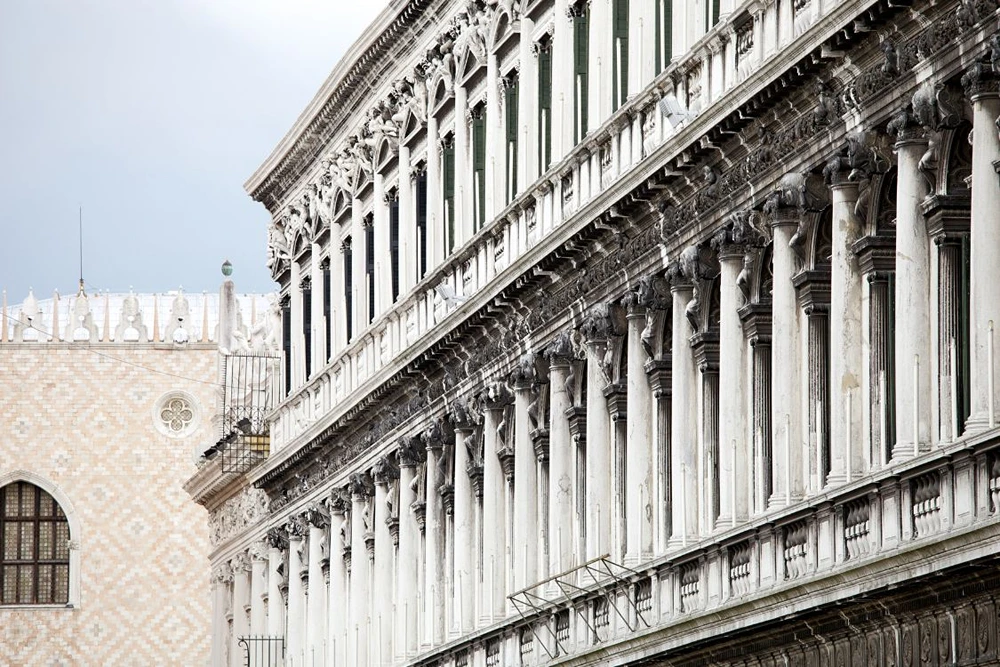
Doge’s Palace stands as a monumental symbol of Venice’s storied past, representing the political and artistic achievements of the city. This Gothic masterpiece served as the residence of the Doge and the seat of Venetian government for centuries. Its ornate facade and intricate interior, featuring grand staircases and opulent chambers, reflect the wealth and power of the Venetian Republic. Visitors can explore the palace’s many rooms adorned with works by celebrated artists such as Tintoretto and Veronese, which provide a captivating glimpse into the art and politics that shaped Venice.
The Accademia Gallery is a treasure trove for art enthusiasts, showcasing an extensive collection of Venetian art spanning from the 14th to the 18th century. Key works include masterpieces by Titian, Bellini, and Veronese, offering visitors an immersive experience of the region’s rich artistic heritage. As one of the most important art museums in Venice, the gallery presents an unparalleled opportunity to appreciate the evolution of Venetian art and its influence on European culture.
To make the most of a visit to Doge’s Palace and the Accademia Gallery, consider purchasing tickets in advance to avoid long queues, especially during peak tourist seasons. Both sites are located within walking distance of each other, making it convenient to explore them in a single day. Early morning or late afternoon visits are ideal for enjoying a more tranquil experience, allowing ample time to absorb the historical and artistic wonders these iconic landmarks offer.
Discovering Venetian Islands: Murano, Burano, and Beyond
Murano is synonymous with the art of glassmaking, a tradition that dates back to the 13th century. Visitors to this island can witness skilled artisans craft intricate glass pieces in workshops that have been passed down through generations. A Murano glass tour offers the opportunity to see this meticulous process firsthand, allowing a deeper appreciation for the skill and patience required to create each unique piece. The island is dotted with numerous glass factories and shops where travelers can purchase authentic Murano glassware, ranging from delicate jewelry to elaborate chandeliers.
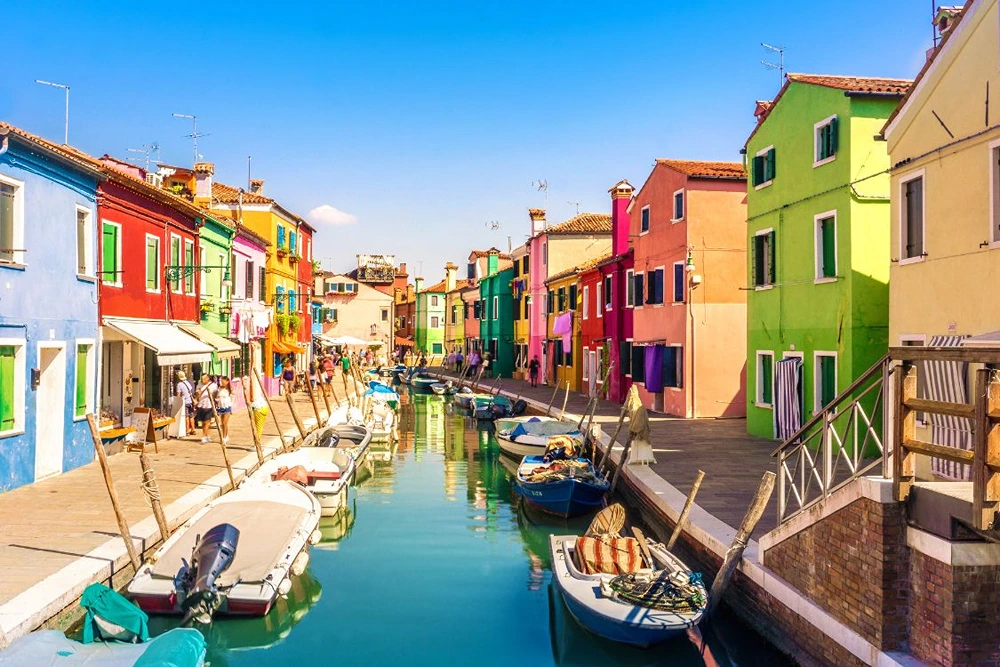
Burano, in contrast, captivates with its kaleidoscope of brightly colored houses lining the canals. This vibrant atmosphere is complemented by the island’s rich tradition of lacemaking, an intricate craft that has been cherished by locals for centuries. Visitors can explore the Lace Museum to learn about this meticulous art form and its historical significance. The island’s charming streets are perfect for a leisurely stroll, offering picturesque views and quaint cafes where visitors can sample local delights. Burano’s vibrant character and cultural appeal make it a must-visit destination for those seeking a unique Venetian experience.
- Torcello: Known for the Cathedral of Santa Maria Assunta and its tranquil environment.
- San Michele: Venice’s cemetery island, offering a serene and historical experience.
- Sant’Erasmo: Famous for its agricultural produce, particularly artichokes.
- Lido: Known for its beaches and the annual Venice Film Festival.
- Giudecca: Offers stunning views of Venice and is home to the iconic Church of the Redentore.
When planning a trip to the Venetian islands, consider purchasing a multi-day vaporetto pass to explore at your own pace. Early morning visits can help avoid crowds, especially during peak tourist seasons. Comfortable walking shoes are essential, as many islands are best explored on foot. For those interested in local crafts, visiting authentic workshops and stores offers a chance to support traditional artisans.
Unique Experiences: Gondola Rides and Venetian Carnivals
A gondola ride in Venice is a timeless romantic experience that allows visitors to immerse themselves in the city’s enchanting ambiance. How long does a gondola ride typically last? A standard gondola ride usually lasts about 30 minutes, giving passengers ample time to take in the serene beauty of Venice’s canals. Gondoliers, often dressed in traditional attire, navigate the narrow waterways, offering glimpses of historic buildings and hidden corners of the city. For couples and honeymooners, these rides provide an intimate setting, making them a quintessential Venetian experience. While gondola rides can be booked in advance, spontaneous rides can be arranged at various points along the canals. Costs can vary, so it’s advisable to confirm the price beforehand.
The Venice Carnival is a vibrant celebration that transforms the city into a stage for artistic expression and cultural tradition. What is the Venice Carnival famous for? It is renowned for its elaborate masks and costumes, drawing visitors from around the globe. The Carnival’s origins date back to the 12th century, and it remains a significant cultural event, featuring parades, masquerade balls, and street performances. Participants don intricate masks, allowing them to blend into the festivities and embrace the spirit of anonymity and freedom. The event typically takes place in February, leading up to Lent, and offers a unique opportunity to experience Venice’s rich heritage in a lively, colorful atmosphere.
Hidden Gems and Local Favorites in Venice
Venturing off the beaten path in Venice offers a rewarding escape from the throngs of tourists, unveiling a side of the city that many visitors overlook. The narrow alleys and canals of districts like Dorsoduro and Cannaregio present an authentic slice of Venetian life. Here, travelers can stumble upon quaint squares, artisan shops, and local trattorias that capture the essence of the city’s culture. These quieter neighborhoods are perfect for those seeking the genuine charm of Venice without the overwhelming crowds. Discovering hidden gems such as these can provide a more intimate and memorable experience, allowing visitors to connect with the city’s rich history and vibrant community in a way that the main tourist attractions do not.
- Osteria alla Staffa: A cozy eatery in Castello, known for its warm atmosphere and traditional Venetian dishes.
- Libreria Acqua Alta: A unique bookstore in Castello, famous for its creative book displays and quirky charm.
- Campo Santa Margherita: A lively square in Dorsoduro, ideal for people-watching and enjoying local cafes.
- Trattoria da Jonny: A hidden gem in Cannaregio offering authentic Venetian seafood and a welcoming ambiance.
- Fondamenta Misericordia: A picturesque canal in Cannaregio lined with local bars and restaurants.
For those keen on experiencing Venice like a local, it’s advisable to explore during early mornings or late afternoons when the streets are less crowded. Investing time in learning a few basic Italian phrases can also enhance interactions with locals, who often appreciate the effort. Utilizing public transportation, such as vaporetti, allows for easy access to less-visited areas. Embracing a slower pace and a spirit of curiosity will undoubtedly enrich the journey through Venice’s hidden treasures.
Final Words
Exploring Venice’s rich tapestry of cultural landmarks, from St. Mark’s Basilica to the vibrant Rialto Market, offers immersive encounters with history and beauty. Navigating the Grand Canal reveals stunning vistas, while islands like Murano and Burano provide unique insights into traditional crafts.
The Best Places to Visit in Venice encompass a blend of iconic sites and hidden gems, offering both timeless elegance and charming peculiarity. Engaging in gondola rides and celebrating Venetian traditions deepens the connection to the city’s essence.
Embrace Venice’s myriad experiences; whether in the bustling piazzas or quiet alleys, each visit promises lasting memories.
FAQ
Q: What are the top 10 places to visit in Venice?
A: Venice offers iconic sites such as St. Mark’s Basilica, Piazza San Marco, the Grand Canal, Rialto Bridge, Doge’s Palace, Accademia Gallery, Murano, Burano, Torcello, and the Venice Carnival.
Q: What are unique things to do in Venice?
A: Experience a gondola ride, witness the Venice Carnival, explore Murano’s glass workshops, enjoy Burano’s colorful streets, and discover hidden gems in Dorsoduro and Cannaregio.
Q: What not to miss in Venice?
A: Do not miss St. Mark’s Basilica, the Grand Canal, Doge’s Palace, a gondola ride, and the vibrant Venice Carnival for a complete Venetian experience.
Q: What is the most beautiful part of Venice?
A: St. Mark’s Basilica, with its Byzantine architecture and golden mosaics, is often considered the most beautiful part of Venice.
Q: Is 2 days in Venice enough?
A: Two days in Venice is sufficient for visiting major sites like St. Mark’s Basilica, the Grand Canal, and Rialto Bridge, offering a taste of Venetian culture and history.