

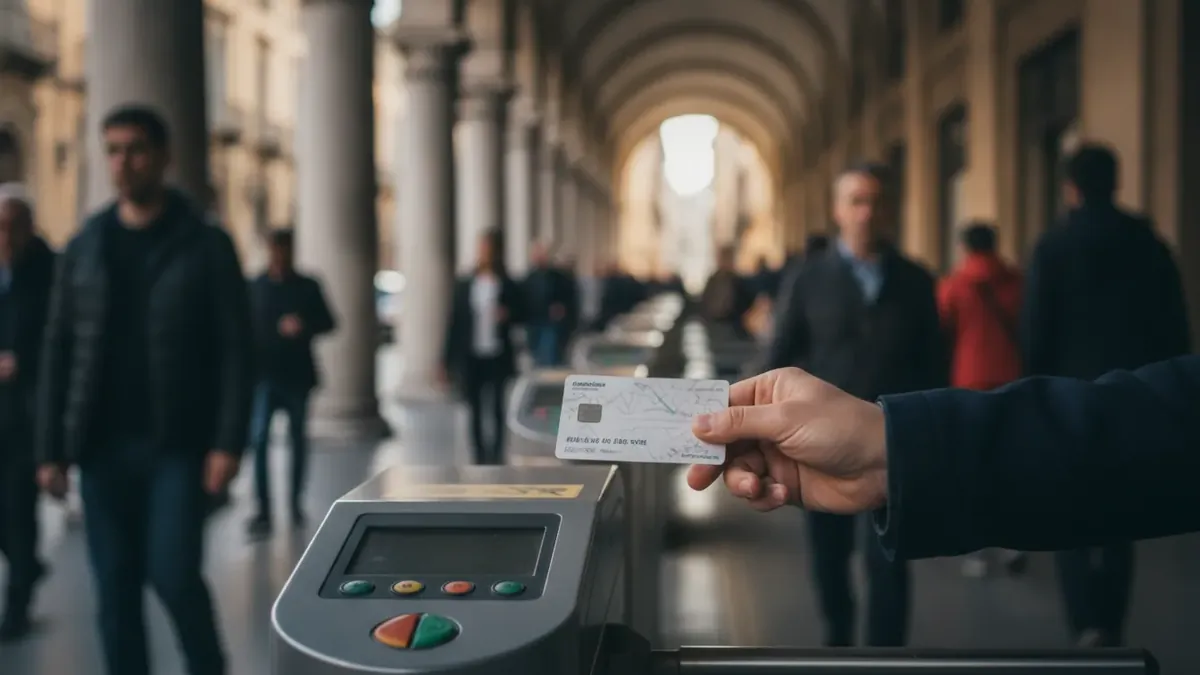
How do you make the most of exploring Italy without the hassle of navigating its winding roads? For many travelers, the secret lies in embracing train travel as the backbone of their Italian adventures. Italy’s extensive and efficient rail network offers a reliable and stress-free way to soak up the country’s rich history and vibrant culture. From the high-speed routes linking Rome to Florence and Milan to Venice, to the scenic journeys like the Cinque Terre express, Italian trains promise an experience as enriching as the destinations themselves. Discover the perks, tips, and key routes of train travel in Italy, ensuring your trip is both seamless and memorable.

Traveling in Italy by Train


Train travel in Italy offers an efficient and reliable way to explore the country’s diverse landscapes. Trenitalia and Italo are the primary train companies, providing a comprehensive network that connects major cities and smaller towns. Trenitalia, a government-owned entity, offers both high-speed and regional services, while Italo specializes in high-speed routes between major urban centers. The extensive train network ensures that passengers can travel comfortably and quickly between destinations, making it a preferred option over bus travel, which may not offer the same level of convenience and speed.

Securing train tickets in advance is crucial for budget-conscious travelers. Booking 30 to 60 days ahead often results in significant savings, as ticket prices can increase as travel dates approach. Timetables are updated bi-annually in June and December, so checking schedules in advance is advisable to ensure accurate travel plans. Major high-speed train routes include Rome to Florence, Milan to Venice, and Naples to Rome, providing seamless connections between key destinations. For those exploring the Cinque Terre region, the Cinque Terre express train offers an easy and car-free way to visit the five charming villages.

Purchasing train tickets is straightforward, with options available through apps and ticket machines at train stations. Apps like Trenitalia and Italo allow users to check schedules, compare prices, and book tickets conveniently. Ticket machines, often multilingual, provide an alternative for those who prefer purchasing in person.

Key benefits of using the train network include:

  • High-speed routes for quick city connections
  • Reliable service with regular schedules
  • Comfortable travel experience with scenic views
  • Cost savings through advance booking
  • Easy exploration of regions like Cinque Terre without a car

Efficient Public Transportation Options in Italian Cities

Italy’s major cities boast comprehensive public transportation systems that make getting around convenient and affordable. In Rome, Milan, and Florence, travelers can take advantage of various options, including buses, trams, and metro services. These systems are designed to cover significant areas of the cities, allowing easy access to popular tourist spots and local neighborhoods alike. Tickets for public transit journeys typically cost between 1 and 2 EUR, offering an economical way to explore urban areas. For those planning to use public transport extensively, day passes, such as the 7 EUR one-day pass in Rome, provide unlimited travel and excellent value.

Travelers can enhance their public transport experience by utilizing modern apps designed to streamline navigation. Google Maps is indispensable for route planning, offering real-time updates and transit directions. Rome to Rio provides comprehensive travel options, helping users compare different routes and transportation modes. These tools are invaluable for tourists unfamiliar with Italian cities, ensuring efficient navigation and minimizing travel stress.

CityTransport OptionTicket Cost
RomeMetro, Bus, Tram1-2 EUR
MilanMetro, Bus, Tram1-2 EUR
FlorenceBus, Tram1-2 EUR

Exploring Italy Without a Car


Italy’s extensive public transport network and efficient train services make car-free travel both practical and enjoyable. Major cities like Rome, Milan, and Florence offer well-integrated metro, bus, and tram systems, providing easy access to a wide array of attractions. Train travel, with companies such as Trenitalia and Italo, connects these urban hubs to picturesque regions and smaller towns, facilitating seamless exploration without the need for a vehicle. This network allows travelers to experience Italy’s rich culture and history conveniently and affordably.

Beyond public transport, bike-sharing schemes and pedestrian-friendly streets enhance city exploration. Urban centers like Rome and Florence are ideal for biking and walking, offering an immersive experience of Italy’s vibrant atmosphere and historical landmarks. These options not only promote sustainable tourism but also allow for spontaneous discoveries around every corner.

For some regions, renting a car may be necessary due to limited public transport options. These areas include:

  • Southern heel of Italy
  • Amalfi Coast
  • Sicily
  • Tuscany

By leveraging Italy’s robust transport infrastructure and embracing alternative modes of travel, visitors can enjoy a comprehensive and hassle-free Italian adventure.

Rome’s metro system is integral for exploring the city’s vast array of attractions efficiently. The network consists of three lines—A, B, and C—connecting key areas, including major tourist destinations and local neighborhoods. Tickets for metro journeys are economical, costing approximately 1-2 EUR per ride. For visitors planning to use the metro frequently, purchasing day passes can offer better value. Apps like MyCicero and Muoversi a Roma play a crucial role in journey planning, providing real-time updates, route options, and ticket purchasing facilities, making navigation through the city more straightforward.

Getting from the Airport to the City

Travelers arriving at Fiumicino or Ciampino airports have several options to reach Rome’s city center. From Fiumicino, the Leonardo Express train offers a non-stop service to Termini Station, taking about 32 minutes. Alternatively, shuttle buses provide a cost-effective option, with a longer travel time of about an hour. Ciampino Airport is well-served by buses that connect to the metro at Anagnina Station, enabling seamless transit into the city. Both airports offer taxi services, though pre-booking is advisable to avoid unexpected costs.

Must-See Spots Accessible by Metro

Rome’s metro system grants easy access to a plethora of iconic landmarks. The Coliseum, located near Colosseo Station on Line B, is a must-visit site, offering a glimpse into ancient Roman history. Vatican City, accessible via Ottaviano Station on Line A, allows visitors to explore St. Peter’s Basilica and the Vatican Museums. The metro’s strategic connections ensure that these world-renowned sites, among others, are just a short ride away, simplifying itinerary planning for any traveler.

Tips for Budget Travel in Italy


Public transportation in Italy is a cost-effective way to navigate the country. For budget travelers, utilizing trains and local transit systems can significantly reduce travel costs. Booking train tickets well in advance often results in lower prices, with the best deals typically available 30 to 60 days before departure. This approach not only secures a seat but also maximizes savings, making it an essential strategy for frugal explorers.

Accommodation in Italy varies widely, allowing travelers to find options that suit their budget. Hostels offer an economical choice, with prices ranging from 30 to 70 EUR per night. For those adhering to a backpacker budget, a daily expenditure of about 65 EUR can cover essentials like accommodation, meals, and local transport, enabling a fulfilling Italian experience without financial strain.

To stretch your budget further, consider purchasing day passes for public transport, which allow unlimited travel within cities at a reduced rate. Additionally, many attractions offer discounted entry on certain days or for students and young travelers, presenting more opportunities to save. By planning strategically and taking advantage of these cost-saving measures, travelers can enjoy Italy’s rich offerings without overspending.

Best Travel Routes for Tourists in Italy

Planning an itinerary that combines both iconic cities and scenic regions can significantly enhance the travel experience in Italy. By integrating bustling urban centers with picturesque landscapes, travelers can enjoy the rich cultural tapestry and breathtaking natural beauty that Italy has to offer. For instance, exploring the historic sites and vibrant culture of Rome, then transitioning to the serene landscapes of Tuscany, provides a well-rounded adventure. Such a blend allows tourists to appreciate the diversity found within Italy’s borders, from the artistic heritage of Florence to the coastal allure of the Amalfi Coast.

Key destinations and travel routes are essential to a successful itinerary. Venice, Rome, and Florence are staples for any visitor, each offering unique attractions and experiences. Venice enchants with its canals and Renaissance art, while Rome captivates with its ancient ruins and lively atmosphere. Florence, the cradle of the Renaissance, boasts unparalleled art collections and architectural marvels. Beyond these cities, the Amalfi Coast and Cinque Terre present stunning seascapes and charming villages. These regions are easily accessible via Italy’s extensive train network, making them convenient additions to any travel plan.

The Italian train network is invaluable for connecting multiple locations efficiently. High-speed trains offer quick and comfortable travel between key cities, allowing tourists to maximize their time. For optimal travel, it’s recommended to book train tickets in advance for better rates and availability. Apps such as Trenitalia and Italo can facilitate easy booking and schedule checking. Utilizing these resources ensures seamless transitions between destinations, enhancing the overall travel experience in Italy.

  • Rome to Florence
  • Florence to Venice
  • Milan to Lake Como
  • Naples to the Amalfi Coast
  • Cinque Terre exploration

Venice Transportation Guide


Venice’s transportation is distinctively characterized by its reliance on water-based options. The primary mode of public transit is the vaporetto, or water bus, which navigates the city’s intricate network of canals. These vaporettos operate much like buses in other cities, offering regular service along key routes, with tickets typically costing around 7.50 EUR for a single ride. For a more traditional experience, gondolas are available, though they are more expensive and usually cater to tourists seeking a leisurely canal tour. Gondola rides can cost upwards of 80 EUR for a 30-minute journey, providing a unique perspective of Venice’s historic waterways.

Walking is another fundamental aspect of getting around Venice, thanks to its pedestrian-friendly design. The city’s layout encourages exploration on foot, with narrow alleys and charming bridges that connect its many islands. Walking not only allows visitors to appreciate the architectural beauty and vibrant street life up close but also provides access to areas not reachable by water transportation. This blend of walking and water travel ensures that visitors can fully experience the enchanting atmosphere of Venice at their own pace.

Final Words

Getting Around in Italy efficiently involves navigating the extensive train systems, comprehensive public transit in cities, and planning itineraries that utilize these resources. Trains provide a fast, reliable way to explore, with Trenitalia and Italo offering high-speed services. Booking tickets early is a smart way to save on costs.

For city travelers, public transport systems in places like Rome and Florence offer budget-friendly options, and apps aid in route planning. Whether exploring Italy without a car or venturing through iconic travel routes, visitors can experience rich cultural offerings without hassle. Enjoyment of Italy’s diverse destinations is just a train ride away.

FAQ

What is the best way to get around Italy?

Trains are the most convenient and reliable mode of transportation in Italy. High-speed inter-city and regional trains, operated by Trenitalia and Italo, make travel efficient. Booking tickets 30 to 60 days in advance can offer cost savings.

Is it hard to get around Italy without a car?

It is not hard to get around Italy without a car. The country’s extensive public transport network and efficient train services make it feasible. Biking and walking are recommended for urban exploration.

Are there Ubers in Italy?

Uber operates in Italy, primarily in major cities like Rome, Milan, and Naples. It is less common outside these urban areas, where local taxi services might be more prevalent.

How does the average person get around in Italy?

The average person in Italy often uses public transportation, including buses and trains, for city and intercity travel. Walking is also common in urban areas due to the cities’ compact layouts.

Can you travel around Italy for 2 weeks using public transport?

Traveling around Italy for 2 weeks using public transport is feasible. Italy’s comprehensive train and bus networks allow access to key destinations, making it both a convenient and cost-effective option.

What is the most common transportation in Italy?

The most common form of transportation in Italy is the train, followed by buses and regional public transport systems. Trains provide easy access between major cities and regions.

How to get around in Italy without a car?

To get around in Italy without a car, use trains and buses for intercity travel and public transportation within cities. Biking and walking in urban areas also offer convenient car-free options.