

Are you planning a trip to Spain and wondering how to navigate its vibrant cities and stunning landscapes? Spain’s public transportation system offers an efficient and budget-friendly way to explore everything from the bustling streets of Madrid to the charming corners of Seville. With metro systems, trains, and travel apps at your disposal, getting around in Spain can be both convenient and cost-effective. This guide will delve into the various modes of transportation available in Spain, providing you with practical tips and insights to enhance your travel experience across this beautiful country.
Understanding Public Transportation in Spain
Spain offers an extensive range of public transportation options, catering to both residents and visitors. Major cities like Madrid and Barcelona feature comprehensive metro systems, providing efficient travel across urban areas with frequent service intervals. Smaller cities, including Valencia, Zaragoza, Bilbao, and Seville, also boast metro or light rail systems, although on a more limited scale. For single journeys, fares typically range from 1.50 to 2.50 EUR, while day passes, costing between 8 to 15 EUR, enable unlimited travel within a specified duration. The availability of these varied transport modes ensures that travelers can navigate cityscapes with ease and convenience.
Benefits of using public transport passes and apps:
- Cost savings: Purchasing a multi-day pass often reduces the overall cost compared to buying single tickets.
- Convenience: Apps streamline the ticket purchase process, saving time and reducing the need for paper tickets.
- Flexibility: Passes like the Renfe Spain Pass offer unlimited travel on selected routes, enhancing itinerary flexibility.
- Ease of use: Travel apps provide real-time updates and route planning, improving travel efficiency.
- Budget management: Passes help travelers keep to a budget by pre-paying for transport needs.
Ticket purchasing and usage in Spain are designed to be straightforward. Tickets can be bought at station kiosks, through automated machines, or via mobile apps, with the latter offering a seamless digital experience. For frequent travelers, using a public transport pass is highly advisable, as it not only reduces costs but also simplifies travel logistics. When entering a metro or train, ensure to validate your ticket or pass at the designated turnstile or scanner. This system not only verifies your travel permission but also maintains the smooth operation of Spain’s public transportation network.

Exploring Spain by Train
Train travel in Spain is renowned for its efficiency and convenience, making it a favored choice among both locals and tourists. With an expansive network of approximately 1,500 train stations, Spain ensures accessibility to a myriad of destinations, from bustling urban centers to tranquil rural areas. The well-organized rail system is operated predominantly by Renfe, the national railway company, which provides a range of services from high-speed to regional trains. This extensive network not only simplifies travel across the country but also offers a comfortable and time-efficient alternative to other modes of transportation.
The AVE (Alta Velocidad Española) high-speed train is a standout feature of Spain’s rail system, connecting major cities such as Madrid, Barcelona, and Seville with remarkable speed. What are the benefits of using the AVE train for travel? The AVE significantly reduces travel times, making it possible to traverse long distances in mere hours. For instance, the journey from Madrid to Barcelona, typically over six hours by car, takes just around two and a half hours on the AVE. This rapid transit not only saves valuable time but also enhances the travel experience with modern amenities and comfortable seating.
Why should travelers consider purchasing train passes like the Renfe Spain Pass? Train passes are ideal for those planning to travel frequently across Spain. These passes offer flexibility, allowing unlimited travel on selected routes within a specified time frame, which is particularly advantageous for tourists exploring multiple cities. Additionally, purchasing a pass often results in cost savings compared to buying individual tickets for each journey. This approach not only simplifies budgeting but also encourages spontaneous travel decisions, enhancing the overall exploration experience.
| Train Type | Main Routes | Ticket Purchase Options |
|---|---|---|
| AVE High-Speed | Madrid – Barcelona, Madrid – Seville | Online, Station Kiosks, Renfe App |
| Regional Trains | Local and Regional Destinations | Station Kiosks, Renfe App |
| Cercanías (Commuter) | Metropolitan Areas | Station Kiosks, Renfe App |
Driving in Spain: Car Rentals and Road Tips
Renting a car in Spain provides unparalleled flexibility, especially for those interested in exploring remote areas that are not easily accessible by public transportation. What are the main advantages of car rentals in Spain? Car rentals enable travelers to venture off the beaten path, discover hidden gems, and set their own pace without being constrained by public transport schedules. This flexibility is particularly beneficial in regions where public transit options are limited or infrequent, allowing for a more personalized and spontaneous travel experience.
What do you need to rent a car in Spain? Renting a car requires a valid driver’s license, and non-EU residents might also need an International Drivers Permit (IDP). Additionally, renters should be aware of the basic road rules in Spain. Driving is on the right side of the road, and seat belts are mandatory for all passengers. Speed limits are strictly enforced, typically 50 km/h in urban areas and up to 120 km/h on highways. Familiarizing oneself with these regulations is crucial for a smooth and lawful driving experience.
Navigating city traffic and parking in Spain can pose challenges, especially in larger cities like Madrid and Barcelona. How can drivers effectively manage these challenges? Plan your routes in advance and use navigation apps that provide real-time traffic updates to avoid congested areas. Parking is often scarce in city centers, so consider using public parking facilities or park-and-ride options on the outskirts. Understanding local parking rules, such as color-coded zones, is essential to avoid fines and ensure a hassle-free travel experience.
Budget-Friendly Travel Tips in Spain
Traveling on a budget in Spain is achievable with strategic planning and smart choices. What are some general strategies for cost-saving while exploring Spain? Booking transportation and accommodation in advance can lead to significant savings, as prices tend to rise closer to the date of travel. Additionally, opting for budget-friendly accommodations such as hostels or Airbnb offers can reduce costs without compromising comfort. Engaging in free activities, such as walking tours and exploring public parks, helps keep expenses low while still experiencing the local culture.
Specific budget tips for transportation:
- Book in advance: Secure train and bus tickets early to access discounts and lower fares.
- Use public transport: Opt for buses and metros over taxis to save on travel expenses within cities.
- Consider travel passes: Multi-day passes often offer unlimited travel at a reduced rate, ideal for city exploration.
- Walk or bike: For short distances, walking or renting a bike can be both economical and enjoyable.
For those seeking expert advice and tailored travel plans, Xpat Journeys is a recommended resource. Why should travelers consider using Xpat Journeys? They provide valuable insights and curated itineraries that cater to budget-conscious travelers. Utilizing their services can optimize travel plans, ensuring that travelers make the most of their time and money while navigating Spain. Whether it’s finding the best local eateries or hidden gems off the beaten path, Xpat Journeys can enhance the travel experience with their in-depth knowledge and expertise.
Urban Travel in Major Spanish Cities
Madrid boasts one of the most efficient public transportation systems in Spain, with the metro being the fastest way to navigate the city. What makes Madrid’s metro stand out? The system features color-coded lines and frequent service intervals, ensuring swift and convenient travel across the metropolis. Operating extensively throughout the city, the metro connects key districts and tourist attractions, making it an indispensable mode of transport for residents and visitors alike. For those looking to avoid peak hour congestion, trains run every 3 to 4 minutes, even during off-peak times.
Barcelona’s transport network is equally commendable, offering a range of options to facilitate easy movement around the city. How can one travel efficiently in Barcelona? The city’s metro and bus systems are integrated, providing seamless connections to various neighborhoods. Tickets are valid across multiple transport modes, allowing for flexible travel plans. The T10 multi-journey ticket is a popular choice, offering ten rides at a discounted rate, which is ideal for short stays or frequent movers. Buses complement the metro by covering areas beyond metro access, ensuring comprehensive city coverage.
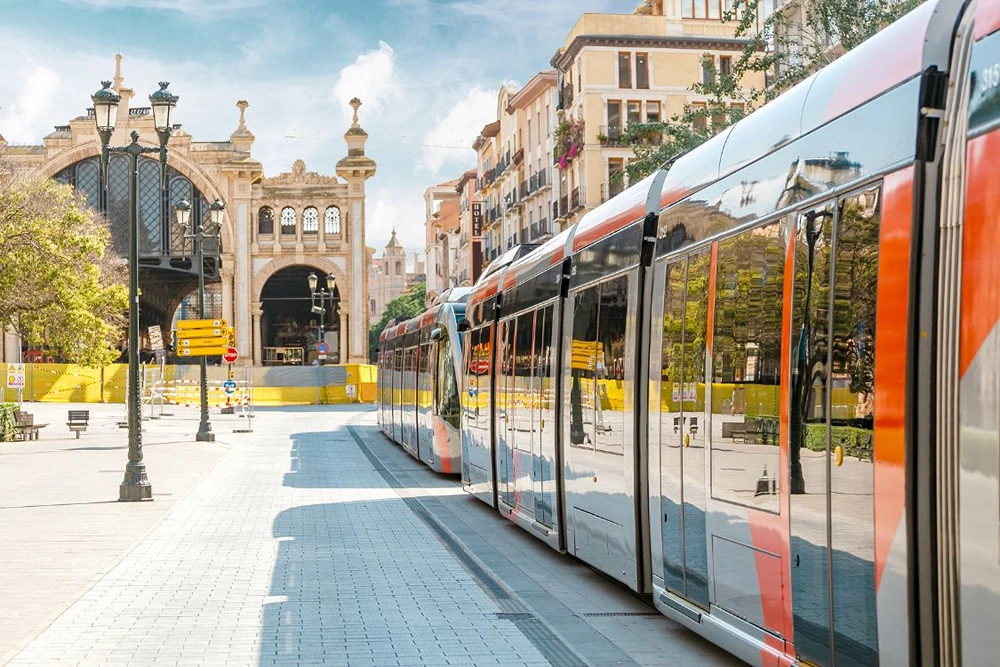
Seville’s transport system, though smaller in scale, offers unique features that enhance its efficiency. What are the highlights of Seville’s public transport? The metro system, though limited to a single line, effectively connects key points within the city. Seville is renowned for its tram network, particularly useful in the historic center where traffic is restricted. The city’s commitment to eco-friendly travel is evident in its emphasis on cycling and pedestrian routes, making it one of the more pleasant cities to explore on foot.
For short distances, alternative transport methods such as e-scooters and walking are increasingly popular in these urban areas. Why are these options favored? E-scooters offer an eco-friendly solution for quick trips and are readily available through various apps, appealing to both commuters and tourists. Walking, especially in central districts, provides a scenic and often faster alternative to public transport, allowing travelers to soak in the vibrant city atmosphere. This combination of traditional and modern travel solutions ensures that navigating Spain’s major cities is both efficient and enjoyable.

Final Words
Navigating Spain is a breeze with its well-connected and efficient transportation systems. From the comprehensive metro networks in major cities to the rapid high-speed trains linking distant regions, getting around in Spain caters to diverse travel needs. Passes and apps simplify the process and save costs, especially for frequent users. Car rentals offer the freedom to wander off the typical tourist routes, though understanding driving requirements is key. Exploring economically is possible with strategic planning. Whether by metro, train, or car, Spain provides rich travel experiences while accommodating various budgets and preferences.
FAQ
What’s the best way to get around Spain?
The best way to get around Spain is by utilizing its extensive public transportation system, which includes buses, metros, and high-speed trains. These options are efficient and often cost-effective.
Is it easy to get around Spain without a car?
It is easy to get around Spain without a car due to its well-developed public transportation network, including metro systems in major cities and high-speed trains connecting key locations.
Does Uber work in Spain?
Uber operates in several major Spanish cities, including Madrid and Barcelona. However, availability might be limited in smaller towns or certain areas.
What is the cheapest way to travel within Spain?
The cheapest way to travel within Spain is by using buses and regional trains. Purchasing a public transport pass or utilizing travel apps can further reduce costs for frequent travel.
How can tourists best explore Spain by train?
Tourists can best explore Spain by train using the high-speed AVE services that connect major cities like Madrid, Barcelona, and Seville. Purchasing a Renfe Spain Pass can offer cost savings and travel flexibility.