

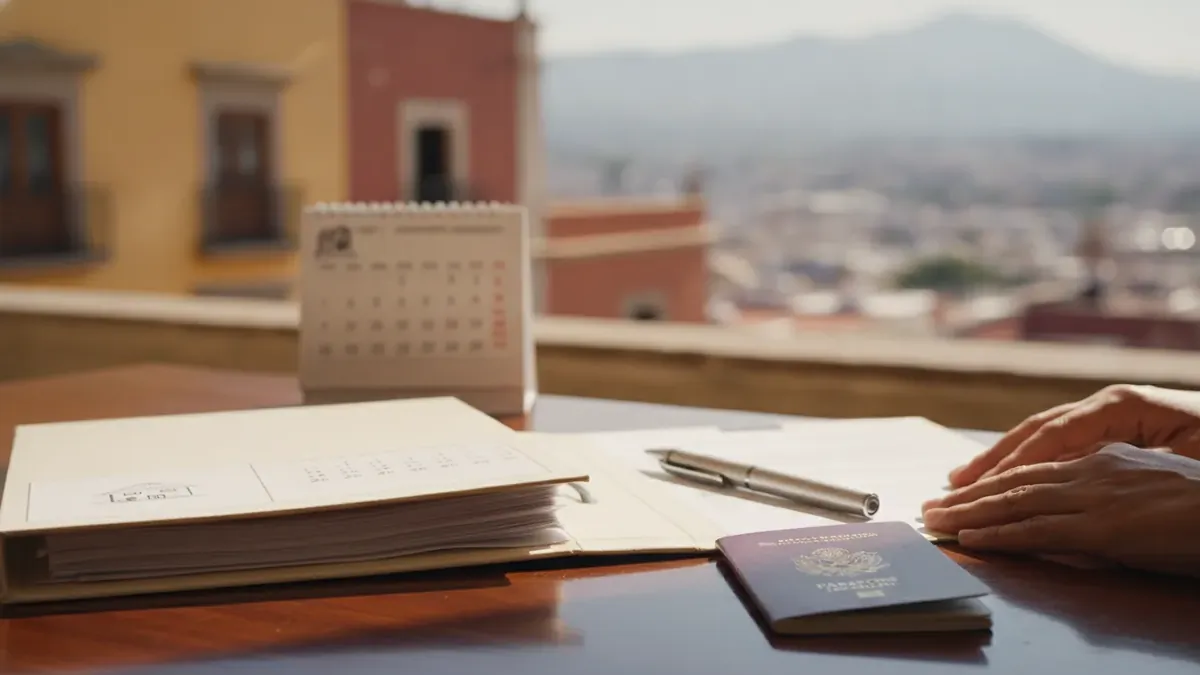
Mexico’s entry and residence rules depend on nationality, purpose, sponsor and length of stay. A visitor status does not automatically permit local employment. Start with Mexico’s immigration authority and consular guidance, confirm current fees and permitted activities, and keep all entry and renewal records.
Main routes and documents
| Situation | Route to investigate |
|---|---|
| Short visit | Current visitor or tourist rules |
| Local employer | Temporary or permanent residence with work authorisation |
| Study | Student residence through the institution |
| Family | Family unity or dependent residence |
| Investment or business | Relevant investor or business route |
| Financially independent applicant | Current temporary or permanent residence criteria |
Prepare a valid passport, forms, photographs, proof of funds or employment, accommodation and authenticated civil documents where requested. Keep application references and receipts. Immigration permission, tax residence, work authorisation and business licensing are separate questions; confirm each before starting work or renewing.
Practical checks
Keep passport, visa, lease, insurance, tax and immigration records in a secure digital folder. Inspect housing for water, mould, internet, drainage, security and contract terms before paying. Confirm licences, insurance and permitted activities in writing, and budget for seasonal rent, private healthcare, transport and temporary accommodation.
Before signing, visit at different times of day and ask who handles repairs, utilities, security, rubbish, parking and internet. A low rent can be offset by flooding, unreliable power, a poor road or a long ride to work. Use a legitimate agent or landlord, photograph the inventory and keep receipts.
Plan the first month around practical registrations and essentials: a local phone, banking where eligible, healthcare, emergency contacts and a reliable route to work or school. Families should verify school places and hospital networks before moving. Remote workers and business owners should separate immigration permission from tax, employment and licensing obligations.
Traffic, rain, heat and seasonal events can change travel times sharply. Carry water and a charged phone, use proper helmets, and arrange travel insurance for regional trips. Keep a contingency fund for delayed immigration processing, temporary housing or a move between cities.
Settling in
Learn basic Spanish, save official links and keep copies of every submission. Re-check requirements before renewals because immigration, tax and local rules can change. If a spouse or children are included, confirm each person’s status and healthcare separately. Professional advice is useful for complex family, business or cross-border arrangements, but it should supplement current government instructions.
Match the status to the activity
Write down exactly what you plan to do: visit, study, work for a Mexican employer, work remotely, join family, invest or operate a business. Confirm that the selected visitor or residence category permits that activity, location and duration. A tourist stay is not a substitute for local work permission, and remote or business activity can create separate tax and licensing questions.
Application and arrival checklist
Prepare a passport with sufficient validity, forms, photographs, proof of funds or employment, accommodation and authenticated civil documents where requested. Keep application references and receipts. After arrival, follow registration, address, renewal and work-authorisation instructions exactly, and record expiry dates for every family member. When changing employer, sponsor or activity, obtain written advice before acting and do not assume a visa label answers tax or employment questions.