


Did you know that entry into Portugal can be a straightforward process for some, yet a challenging task for others? Navigating the visa requirements can often feel overwhelming, but getting it right is crucial for a seamless journey. This blog post will demystify the essentials, focusing on who needs a visa, the significance of passport validity, and the entry essentials for Portugal. Whether you’re planning a brief visit or an extended stay, being well-prepared with the right documents can mean the difference between smooth sailing and travel disruptions. Embark on your Portuguese adventure with confidence and clarity.
Understanding Visa Requirements for Portugal
Entry into Portugal requires either a valid passport or visa, depending on the traveler’s nationality. Citizens of the European Union and countries like Iceland, Liechtenstein, Malta, Norway, and Switzerland can enter without a visa for short stays, typically up to 90 days. Nationals from the United States, Canada, Australia, and Japan also enjoy visa-free travel for short visits. Conversely, travelers from countries not on the visa-waiver list, such as India, South Africa, and Turkey, must obtain a Schengen visa before arrival.
A valid passport is mandatory for all visitors, and it must typically be valid for at least six months beyond the intended departure date. This requirement is particularly crucial for travelers from non-EU countries. Additional entry requirements may include proof of return or onward travel and sufficient financial means for the duration of the stay. In some cases, a visa might be necessary, and travelers should verify the specific requirements based on their nationality and travel purpose.
- Passport with a minimum of six months’ validity
- Completed visa application form
- Recent passport-sized photographs
- Proof of travel insurance covering medical emergencies
- Evidence of accommodation or invitation letter
For those requiring a visa, thorough preparation of the necessary documents is crucial. This includes a completed visa application form and recent passport-sized photographs. Proof of travel insurance is essential, covering medical emergencies for the entire duration of the stay. Applicants must also provide evidence of accommodation, such as hotel bookings or an invitation letter if staying with someone in Portugal. Meeting these documentation requirements can ensure a smoother visa application process and help facilitate entry into Portugal.
Portugal Visa Types and Eligibility

Choosing the correct visa type is crucial for a seamless entry into Portugal. Visas vary depending on the purpose of travel, such as tourism, employment, education, or leisure. Each visa type has specific eligibility criteria that applicants must meet to gain approval. Understanding these requirements can expedite the application process and help avoid unnecessary delays.
Schengen Visa
The Schengen Visa is ideal for short stays in Portugal, whether for tourism or business. It allows travelers to stay for up to 90 days within a 180-day period. This visa is suitable for those visiting multiple Schengen countries, offering the flexibility to travel freely across borders within the area. Applicants must demonstrate intent for short-term visitation, which can include tourism, family visits, or attending business meetings.
Work Visa
For employment purposes in Portugal, a Work Visa is necessary. The D1 Visa caters to those with a formal job offer, while the D3 Visa is designed for highly qualified professionals. Applicants need to provide proof of employment or job contracts and demonstrate the skills required for the position. These visas enable individuals to legally work and reside in Portugal for the duration specified by their employment contracts.
Student Visa
The Student Visa is tailored for individuals pursuing educational opportunities in Portugal. It requires proof of enrollment in a recognized course or program. Applicants must also show evidence of financial means to support themselves during their studies. This visa allows students to reside in Portugal for the length of their academic program, facilitating a full immersion in the educational and cultural environment of the country.
Tourist Visa
A Tourist Visa is designated for leisure travel, allowing individuals to explore Portugal’s attractions and culture. This visa supports short stays, typically not exceeding 90 days. Tourists must provide details of their travel plans, including accommodation and a return ticket. This visa enables travelers to experience Portugal’s rich heritage, diverse landscapes, and vibrant cities without the intention of long-term residence or employment.
The Application Process for Portuguese Visas
Applying for a Portuguese visa involves several steps, starting with determining the appropriate visa type based on the purpose of travel. The process can be initiated online by completing the Portugal visa application form, which is a crucial first step. After filling out the form, applicants must gather and submit the required documentation, including identification, travel itinerary, and proof of financial means. Depending on the visa type, additional documents such as employment contracts or enrollment confirmations might be necessary. An in-person appointment at a Portuguese consulate or embassy is often required to submit biometrics or attend an interview, providing an opportunity to clarify any doubts about the application.
| Step | Description |
|---|---|
| 1. Determine Visa Type | Select the appropriate visa based on travel purpose. |
| 2. Complete Application Form | Fill out the Portugal visa application form online. |
| 3. Gather Supporting Documents | Collect required identification, travel plans, and financial proofs. |
| 4. Schedule Appointment | Book an in-person appointment at a consulate or embassy. |
| 5. Submit Application | Provide biometrics and attend an interview if required. |
Once the application is submitted, it undergoes processing, with timelines varying depending on the visa type and the applicant’s nationality. It’s crucial to apply well in advance of the intended travel date to accommodate any potential delays. Applicants should track their application status and be prepared to provide additional information if requested. Successfully navigating this process ensures compliance with Portuguese entry regulations and facilitates a smooth transition into the country, whether for short-term visits or long-term stays.
Fees and Processing Times for Portugal Visas
Visa fees for Portugal can differ significantly, depending on the type of visa applied for and the applicant’s nationality. Typically, Schengen visas cost around €80 for adults, while children between the ages of 6 and 12 are charged €40. Work and student visas often have higher fees, reflecting their long-term nature. It’s essential for applicants to check specific fees through VFS Global or the respective consulate, as costs can vary based on the current regulations and the applicant’s circumstances.
- The type of visa applied for (e.g., tourist, work, student).
- The applicant’s nationality and the bilateral agreements in place.
- The completeness and accuracy of the submitted application and documents.
- The time of year and the consulate’s current processing workload.
Processing times for Portuguese visas generally range from three to six months, but delays can occur due to peak travel seasons or incomplete applications. To minimize waiting times, applicants should submit complete and accurate documentation and schedule their consulate appointments well in advance. Keeping track of application status and promptly responding to any requests for additional information can also help expedite the process, ensuring a smoother experience overall.
Navigating Residency and Citizenship in Portugal
Securing residency in Portugal involves meeting several requirements, primarily centered around financial stability and legal documentation. Applicants must provide proof of income that demonstrates their ability to support themselves financially while residing in the country. This can include salary statements, pension funds, or other forms of steady income. Additionally, securing accommodation in Portugal is mandatory, whether through a rental agreement or property ownership. Applicants need a Portuguese tax identification number, necessary for legal financial transactions within the country. These steps form the foundation of the residency application process, ensuring that the applicant is both financially and legally prepared to reside in Portugal.
Applying for Residency
To apply for residency in Portugal, individuals must first gather the essential documentation. This includes proof of income, ensuring the applicant can maintain themselves without public assistance. Such proof might consist of bank statements, employment contracts, or proof of pension. Accommodation proof is equally crucial, verified through a lease agreement or property deed. Obtaining a Portuguese tax number is also required, facilitating interaction with Portugal’s financial and legal systems. The residency process often requires patience and attention to detail, as each document must be accurate and up-to-date to avoid processing delays.
Path to Citizenship
Achieving Portuguese citizenship by residency typically requires five years of legal residence in the country. During this period, residents must comply with all legal obligations, including tax payments and maintaining a clean criminal record. Applicants must provide evidence of continuous residency, such as utility bills or lease agreements, and demonstrate integration into Portuguese society, which might include language proficiency or community involvement. Once the residency requirement is fulfilled, applicants can begin the citizenship application, which involves additional documentation, such as a birth certificate and background checks. This path to citizenship ultimately provides full rights within Portugal, including the ability to live, work, and study across the European Union.
Special Visa Categories: Golden and Digital Nomad Visas
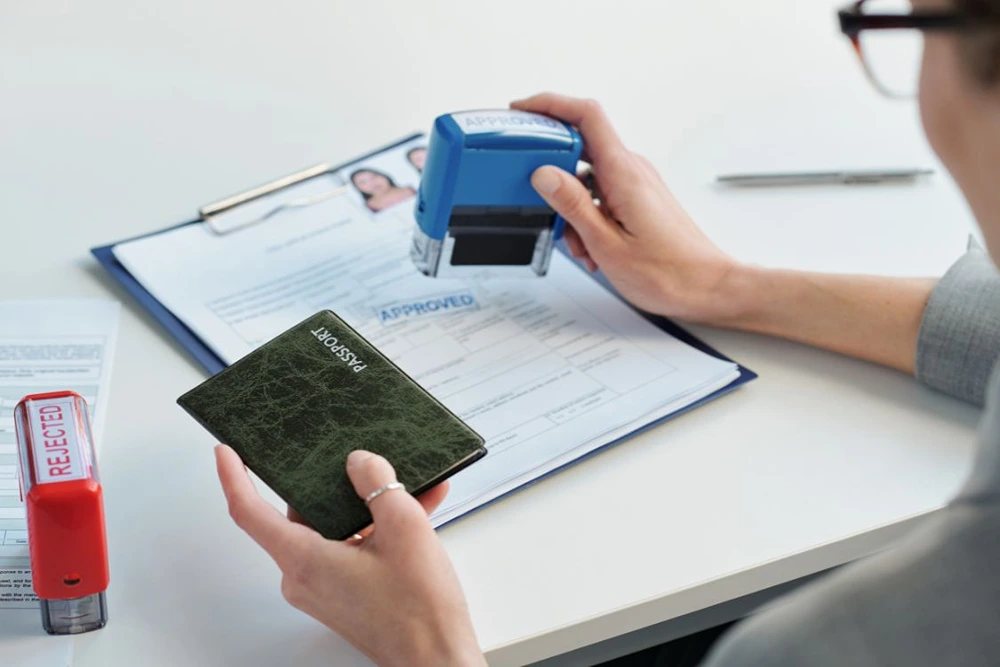
Portugal’s Golden Visa and Digital Nomad Visa are tailored for individuals seeking unique opportunities to reside in the country. The Golden Visa is a popular choice for investors, offering a pathway to residency through financial investment. This visa has significantly contributed to Portugal’s economy by attracting foreign capital. On the other hand, the Digital Nomad Visa caters to remote workers eager to live in Portugal while continuing their professional activities across borders. Both visas provide flexible options for residency and are essential for those aiming to integrate into Portuguese society while meeting specific economic or professional criteria.
- Minimum investment requirements start at €200,000.
- Types of investment include real estate, capital transfer, and job creation.
- Income requirements are set at a minimum of €3,280 per month.
- Duration of stay options include short-term (4 to 12 months) and long-term (2 years, renewable for up to 3 years).
Final Words
Navigating visa requirements for Portugal involves understanding nationalities that require visas, maintaining valid passport conditions, and ensuring accurate documentation. Different visa types, from Schengen to work and student options, each come with distinct criteria and application needs.
The application process requires precise steps, including online forms and potential in-person appointments. Fees and processing times vary, with the potential for delays—factors to plan for carefully.
Considering specialized options like Golden and Digital Nomad Visas offers unique opportunities. Gaining residency and citizenship in Portugal can enrich the expatriate experience, providing long-term options for those looking to settle.
FAQ
Do I need a visa to travel to Portugal in 2025?
A: Citizens of certain countries do not need a visa for short stays in Portugal. However, visa requirements continue to vary based on nationality. Check specific requirements closer to your travel date.
Portugal visa requirements for U.S. citizens
A: U.S. citizens do not need a visa for short stays, up to 90 days, in Portugal. A valid U.S. passport with at least six months’ validity beyond your planned departure date is required.
Portugal visa online application
A: The visa application can be initiated online by filling out necessary forms and submitting required documents digitally. Follow instructions on the official Portuguese consular website.
Portugal visa requirements for U.S. permanent residents
A: U.S. permanent residents need to check the visa requirements applicable to their nationality. Permanent residency in the U.S. does not exempt them from needing a visa to enter Portugal.
Portugal visa requirements for Indian citizens
A: Indian citizens must obtain a visa to enter Portugal. Required documents typically include a valid passport, travel itinerary, and proof of financial means.
Portugal entry requirements for U.S. citizens
A: U.S. citizens must have a valid passport with at least six months’ validity remaining from the planned date of departure. A visa is not required for stays up to 90 days.
Portugal travel requirements
A: Travel to Portugal requires adherence to entry regulations, which include a valid passport, possible visa requirements based on nationality, and meeting health and security standards.
Portugal visa application
A: To apply for a Portugal visa, complete the application process online. Submit required documents and attend an interview if necessary, as guided by the Portuguese consular services.
Do you need a visa to go to Portugal?
A: Depending on your nationality, a visa may be required for Portugal. EU citizens and some other nationals do not need a visa for short stays.
What are the requirements for a Portugal visa?
A: Requirements include a completed application form, a valid passport, recent passport-sized photos, travel itinerary, and proof of financial means. Additional documents may be needed based on visa type.
Do Americans need a visa to go to Portugal in 2025?
A: Americans do not need a visa for stays in Portugal up to 90 days. Ensure your passport is valid for at least six months beyond your planned departure from Portugal.
What is the new visa rule for Portugal?
A: Changes in visa rules are periodically announced. It’s vital to check the latest requirements through official sources or Portuguese consulates before planning travel.