
When is the best time to travel to Portugal for sun-soaked beaches, cultural festivals, and immersive city experiences? This Mediterranean gem offers a diverse palette of attractions every season. Whether it’s the sunlit sands of Algarve in summer or the vibrant harvest festivals in fall, each season crafts a unique experience. Understanding Portugal’s travel seasons is crucial to maximizing your journey. This guide digs into the highs and lows of Portugal’s seasons, helping you plan the perfect escape to this captivating destination where mild winters and lively springs await.
Understanding Portugal’s Travel Seasons
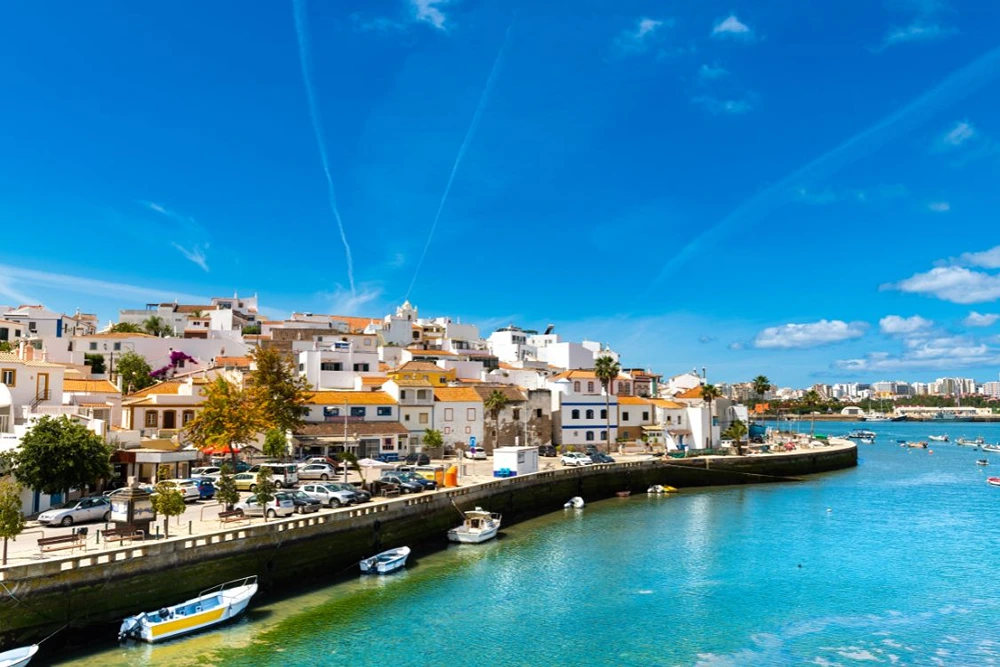
Portugal enjoys a Mediterranean climate characterized by sunny summers and mild, wet winters. This year-round climate makes it an attractive destination for a variety of travelers. Summer, from June to September, is the high season. With temperatures often reaching the mid-80s, it attracts beach-goers and vacationers in large numbers. Coastal areas like the Algarve become bustling hubs of activity, filled with tourists enjoying the sun and sea. It’s essential to book accommodations well in advance during this period due to its popularity.
Winter, spanning from December to February, offers a different experience with fewer tourists and lower hotel rates. The cooler temperatures, generally ranging from 50 to 59°F (10 to 15°C), provide an excellent opportunity for cultural exploration. Cities like Lisbon and Porto offer a tranquil atmosphere, perfect for museum visits and local festivities. Winter is also a prime time for those interested in experiencing traditional Portuguese gastronomy and cozy city walks.
Spring and fall are considered the shoulder seasons, presenting moderate temperatures and fewer crowds. Spring, from March to May, brings blooming landscapes ideal for hiking and sightseeing. Fall, from September to November, features harvest festivals and warm weather, making it a great time for surfing. Both seasons offer moderate rates and a more relaxed travel experience, attracting those who prefer a more leisurely exploration of Portugal’s diverse attractions.
- Summer: Beach activities, high temperatures, crowded tourist sites.
- Winter: Lower tourist numbers, cultural exploration, mild temperatures.
- Spring: Blooming landscapes, fewer crowds, ideal for hiking and sightseeing.
- Fall: Harvest festivals, warm weather, good for surfing.
Ideal Months to Visit Portugal
May and June are often regarded as the best months to visit Portugal due to their favorable weather conditions. During these months, temperatures range from 20 to 25°C (68 to 77°F), providing a comfortable climate for outdoor activities and exploration. The blooming landscapes of spring enhance the beauty of destinations like Cascais, making them a visual delight for visitors. Additionally, these months coincide with local festivals, such as Festas de Lisboa, which offer vibrant cultural experiences. The combination of pleasant weather and fewer tourists compared to the summer months makes this period particularly appealing for those seeking a balance of enjoyment and relaxation.
September and October also present excellent opportunities for travelers to explore Portugal. As summer crowds begin to dissipate, these months offer continued warm weather, with temperatures often lingering around the mid-20s°C (mid-70s°F). This is an ideal time for those interested in experiencing the Douro Valley during the grape harvest season, where the landscape transforms with the changing colors of the vineyards. Coastal areas remain inviting for swimming, and the surf conditions are favorable for enthusiasts. The blend of thinning crowds and delightful weather makes September and October prime months for a more tranquil yet enriching visit to Portugal.
| Month | Temperature Range | Best For |
|---|---|---|
| May | 20-25°C | Beaches, Festivals |
| June | 20-25°C | Festivals, Sightseeing |
| September | Mid-20s°C | Harvest Season, Surfing |
| October | Mid-20s°C | Coastal Activities, Fewer Crowds |
Portugal’s Seasonal Events and Festivals
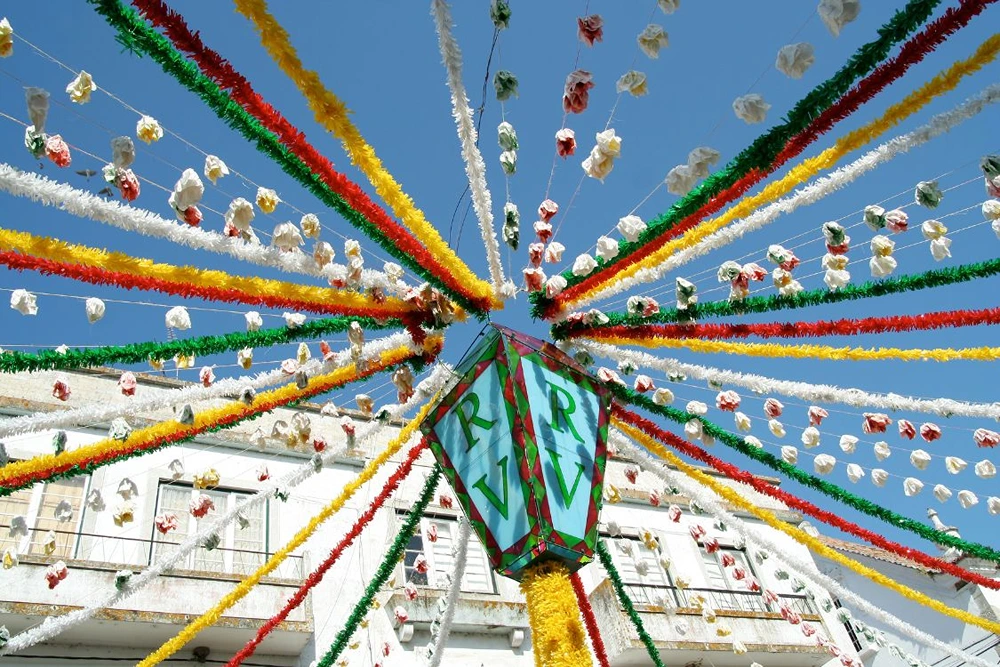
Portugal’s vibrant festival culture is an integral part of its appeal, with events spanning the entire year, each reflecting the country’s rich traditions and lively spirit. The seasonal distribution of festivals means that no matter when you visit, there is likely to be a celebration that showcases Portugal’s cultural heritage. Festivals such as the São João Festival in Porto, held in June, and Lisbon’s Festas de Lisboa offer an immersive experience into local customs, complete with music, dance, and a communal atmosphere. These events not only highlight the cultural significance of the regions but also provide a unique opportunity to engage with locals and experience authentic Portuguese festivities.
Spring and fall are particularly notable for their diverse range of cultural and music festivals. The spring season welcomes Easter celebrations, marked by processions and traditional feasts that draw visitors and locals alike. Fall brings harvest festivals, especially in wine-producing regions like the Douro Valley, where the grape harvest is celebrated with enthusiasm and appreciation. Winter, although quieter, offers its own charm with gastronomy events and festive Christmas markets, providing a cozy and welcoming atmosphere. These seasonal events collectively offer a window into the Portuguese way of life, making each visit a memorable exploration of culture and tradition.
Spring Festivals
Spring in Portugal is a season of renewal and celebration. Easter is one of the most significant events, celebrated with processions and local feasts. Towns and cities come alive with vibrant displays and religious ceremonies, offering visitors an insight into Portugal’s deep-rooted traditions.
Summer Festivals
Summer is marked by a series of music and cultural festivals. The São João Festival in Porto and Festas de Lisboa are among the most prominent, featuring lively parades, fireworks, and street parties that draw crowds from across the globe.
Fall Festivals
Fall is synonymous with harvest time in Portugal, particularly in wine regions. Harvest festivals celebrate the grape harvest with events that include wine tastings and traditional music, making it an ideal time for wine enthusiasts to visit.
Winter Festivals
Winter in Portugal is characterized by festive Christmas markets and gastronomy events. Cities like Lisbon and Porto host markets filled with holiday treats and crafts, while gastronomy events highlight Portugal’s culinary delights.
- São João Festival in June
- Festas de Lisboa in June
- Harvest festivals in September
- Christmas markets in December
- Gastronomy events in winter
Best Time to Experience Portugal’s Beaches
Summer is the prime season for enjoying Portugal’s beaches, with temperatures soaring into the mid-to-high 80s. This period transforms coastal towns into vibrant hubs of activity. The Algarve Coast is particularly popular, drawing beachgoers with its stunning golden sands and clear blue waters. From June to September, tourists flock to this region to bask in the sun, participate in water sports, and revel in the lively nightlife. The Algarve’s picturesque cliffs and coves provide a perfect backdrop for a quintessential beach holiday.
For those seeking a more serene beach experience, the Azores and Madeira present idyllic alternatives. These islands offer breathtaking landscapes and milder temperatures, providing a peaceful retreat away from the bustling mainland. The Azores are known for their lush greenery and volcanic beaches, while Madeira boasts dramatic coastlines and warm waters ideal for swimming. These locations are perfect for travelers looking to enjoy natural beauty and tranquility without the crowds typical of the high season.
- Algarve Coast
- Cascais
- Madeira
- Azores
Traveling to Portugal: Tips and Considerations
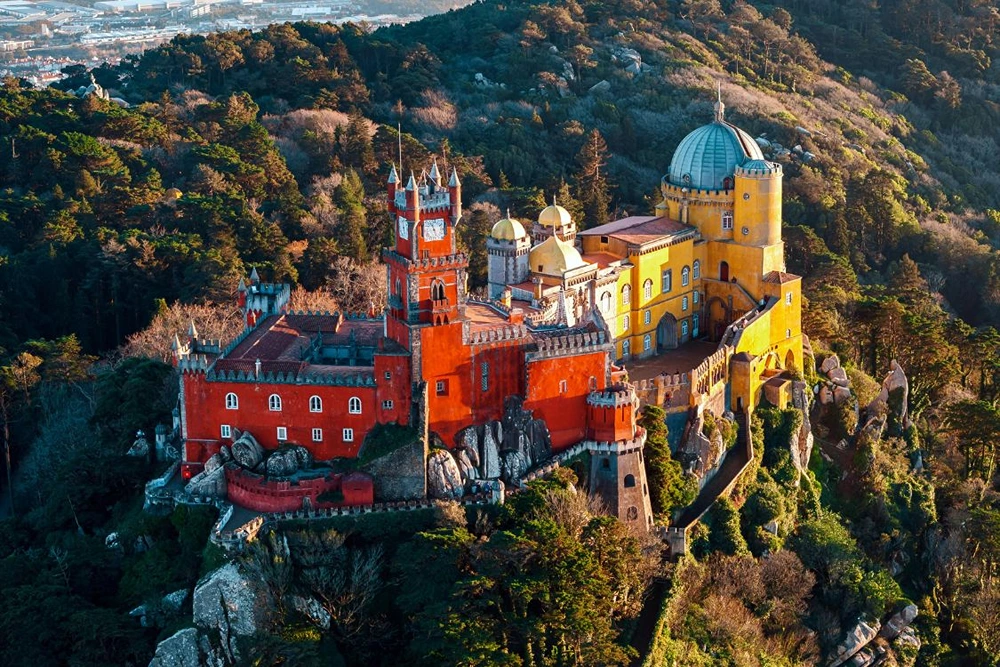
When preparing for a trip to Portugal, packing appropriately for the Mediterranean climate is crucial. During the summer months, light clothing is recommended to cope with the high temperatures. For spring and fall, when weather conditions can fluctuate, layered attire will provide the flexibility needed to adjust to varying temperatures throughout the day. Winter travelers should not overlook the occasional need for warmer clothing, especially in the evening or in northern regions. Accessories like a hat and sunscreen are essential year-round to protect against the sun.
In terms of safety, Portugal is generally considered a safe destination, but exercising standard precautions is always wise. Keep an eye on personal belongings in crowded areas to avoid petty theft, which can occur in any tourist-heavy location. Understanding local cultural etiquette can enhance your travel experience. For example, greeting with a handshake and addressing people with “Senhor” or “Senhora” is a respectful practice. Being polite and patient in interactions will go a long way in ensuring positive encounters with locals.
Booking accommodations in advance is advisable, especially during peak travel seasons like summer. Portugal’s popularity as a tourist destination means that hotels and rentals can fill up quickly. Consider visiting during shoulder seasons like spring and fall to enjoy moderate rates and fewer crowds. While public transportation is reliable, renting a car might be beneficial for exploring rural areas and regions not covered by train or bus networks. Always carry a travel adapter to ensure your electronics function smoothly.
- Light clothing for summer
- Layered attire for spring/fall
- Sunscreen and hat
- Comfortable walking shoes
- Travel adapter
Xpat Journeys: Your Guide to Portugal
Xpat Journeys stands out as a premier service for those planning a trip to Portugal. Their expertise lies in crafting personalized travel plans that cater to individual preferences, ensuring each journey is as unique as the traveler. With their deep knowledge of Portugal’s diverse attractions and optimal travel times, they provide invaluable guidance that enhances the overall travel experience. Whether interested in cultural exploration, beach relaxation, or gastronomic delights, Xpat Journeys is equipped to tailor itineraries that align perfectly with personal interests and schedules.
By understanding the nuances of Portugal’s travel seasons, Xpat Journeys can facilitate a seamless planning process. Their services extend beyond mere recommendations, offering comprehensive solutions that encompass accommodations, local attractions, and unique experiences. This commitment to detail ensures that travelers can focus on enjoying their trip without the stress of logistical planning. Xpat Journeys’ dedication to client satisfaction makes them an ideal partner for anyone looking to explore Portugal with ease and confidence.
- Expert local insights
- Personalized travel itineraries
- Comprehensive planning services
Final Words
With Portugal’s diverse climates, seasons, and cultural festivals, travelers have a plethora of experiences to choose from. Whether basking in Algarve’s summer sun, exploring vibrant festivals year-round, or enjoying the tranquility of winter cityscapes, each season offers unique attractions.
Understanding the best time to travel to Portugal significantly enhances the travel experience, helping visitors plan for ideal weather, activities, and cultural immersion.
Xpat Journeys provides invaluable resources, ensuring travelers can navigate Portugal comfortably and with confidence. Embark on your Portuguese adventure equipped for discovery, and create lasting memories.
FAQ
Worst time to visit Portugal
A: The worst time to visit Portugal is during the peak of winter, from December to February, due to wet and cool weather, which might limit the availability of outdoor activities and sunbathing.
Best time to visit Portugal and Spain
A: The best time to visit Portugal and Spain is during the shoulder seasons of spring (April to June) and fall (September to October), when the weather is pleasantly mild and tourist crowds are smaller.
Best time to visit Portugal beaches
A: Summer, June to September, is ideal for visiting Portugal’s beaches, featuring warm temperatures, bustling coastal towns, and perfect conditions for sunbathing and water sports.
Portugal temperatures by month
A: Portugal’s monthly temperatures range widely: January averages 12°C, April 16°C, July peaks at 28°C, and October averages 21°C, ideal for exploring different seasonal activities.
Flights to Portugal
A: Flights to Portugal are readily available with major airlines offering constant services. Booking well in advance can yield cost savings, especially during the high tourist season in the summer.
Portugal itinerary 7 days
A: A 7-day Portugal itinerary can include Lisbon, Sintra, Porto, Douro Valley, Coimbra, and the Algarve. This allows travelers to experience both cultural landmarks and stunning natural scenery.
Portugal in May
A: Visiting Portugal in May offers mild, pleasant weather with temperatures averaging 20-25°C. It’s perfect for hiking, enjoying festivals like Festas de Lisboa, and exploring vibrant spring landscapes.
What is the cheapest month to visit Portugal?
A: January and February are usually the cheapest months to visit Portugal, due to lower tourist demand and pricing discounts on accommodations and flights, while still offering cultural exploration opportunities.
What is the temperature in Portugal by month?
A: Portugal’s temperatures vary, with mild winters (12-15°C) and warm summers (25-30°C). May and September offer comfortable 20-25°C, ideal for outdoor activities and shoulder season travel.
What is the rainy season in Portugal?
A: The rainy season in Portugal primarily occurs during winter, from November to February, when the Atlantic fronts bring frequent showers, making it less ideal for beach outings and some outdoor activities.
When and where is the best time to visit Portugal?
A: The best time to visit Portugal is during spring (April to June) and fall (September to October), with destinations like Lisbon, Porto, and the Algarve offering optimal weather and fewer crowds.