


Is navigating Portugal’s vibrant cities without a personal vehicle a viable option? For those looking to maximize their travel experience, embracing Portugal’s efficient public transit is the key to uncovering the country’s charm without the hassle of driving in unfamiliar territory. From the bustling streets of Lisbon to the charming avenues of Porto, public transportation offers an affordable and convenient way to explore urban Portugal. This article will detail the extensive public transport systems available, focusing on cities like Lisbon and Porto, while also highlighting the cost-saving benefits of passes like the Navegante card.
Public Transportation Options in Portugal

Portugal’s public transportation system is extensive, offering various modes of transport that connect major cities and towns. The country boasts a well-organized network of buses, metro systems, and urban rail, ensuring comprehensive coverage. Notably, Lisbon and Porto stand out for their efficient public transport services that include buses, trams, and trains. These systems are designed to accommodate both locals and tourists, providing a reliable and convenient way to navigate urban areas.
- Metro
- Buses
- Trains
- Trams
- Funiculars
Lisbon and Porto provide an efficient and convenient public transport experience, largely due to their integrated systems. The metro systems in these cities are known for their punctuality and frequency, making them a practical choice for commuters and visitors alike. Buses and trams complement the metro by reaching areas not serviced by rail, while funiculars offer unique transit experiences on steep terrains. This network’s integration allows for seamless travel, reducing the need for personal vehicles in urban settings.
Transport passes, such as the Navegante card, offer significant cost savings for frequent travelers within Lisbon’s public transport network. The card provides access to multiple modes of transport with the added advantage of zapping credits, which offer reduced fares compared to single tickets. This makes it an economical choice for those who plan to use public transport regularly. Furthermore, passes like the Lisboa Card not only offer unlimited travel but also include discounts on attractions, enhancing both transportation and leisure experiences for travelers.
Exploring Portugal by Train
Portugal’s train system is an integral part of its public transportation network, offering diverse options for travelers. The high-speed Alfa Pendular trains are a notable feature, providing swift connections between major cities like Lisbon, Porto, and Faro. Intercidades trains serve as another alternative, bridging the gap between speed and cost-efficiency, though they are slightly slower than the Alfa Pendular. Regional trains further enhance connectivity by linking smaller towns and rural areas, ensuring that even less-traveled paths are accessible.
Train travel in Portugal is not only about reaching a destination but also about enjoying the journey. The comfort of modern carriages is complemented by the scenic views of Portugal’s diverse landscapes. Whether it’s the rolling hills and vineyards of the Douro Valley or the stunning coastal stretches, passengers can relax and take in the picturesque surroundings. The onboard amenities, including Wi-Fi and dining services on high-speed trains, contribute to a pleasant travel experience.
Purchasing train tickets in Portugal is straightforward and user-friendly. Tickets can be bought online through the official Comboios de Portugal website, offering the convenience of booking in advance. Additionally, tickets are available at train stations, where self-service kiosks and ticket counters provide flexibility for last-minute travel plans. Prices vary depending on the train type and class, with high-speed options generally costing more than regional services. Advance booking can lead to discounts, making it worthwhile for budget-conscious travelers to plan ahead.
| Route | Duration | Cost |
|---|---|---|
| Lisbon to Porto | 2.5 hours | €25-45 |
| Lisbon to Faro | 3 hours | €22-35 |
| Porto to Coimbra | 1 hour | €15-25 |
The Lisbon to Porto route is particularly popular, known for its efficiency and affordability. This route highlights the benefits of opting for high-speed rail travel, with reduced journey times making it an attractive option for both locals and tourists. The combination of speed, comfort, and scenic beauty makes Portugal’s train system a preferred choice for exploring the country.
Driving and Car Rentals in Portugal

Renting a car in Portugal offers unparalleled flexibility and independence, especially for those keen on exploring the country’s remote areas. The extensive road network connects bustling urban centers with tranquil rural landscapes, allowing travelers to venture off the beaten path at their own pace. By driving, visitors can access hidden gems often missed by public transport, such as secluded beaches, quaint villages, and scenic countryside routes. This autonomy is particularly beneficial for those who wish to customize their itineraries and travel schedules without the constraints of public transport timetables.
- Ensure a valid driver’s license
- Consider insurance options
- Plan for toll roads
- Check fuel policies
To rent a car in Portugal, travelers must present a valid driver’s license. If the license is not in Latin characters, an International Driving Permit is required. Car rental agencies may also request a credit card for security deposits. It’s wise to explore insurance options as they provide additional protection against unforeseen incidents. Many rental companies offer collision damage waivers and supplemental liability insurance, which can be beneficial in case of accidents or damages.
Driving in Portugal does incur additional costs, primarily due to toll roads and fuel expenses. Most highways are tolled, and it’s advisable to inquire about electronic toll devices available through rental agencies, which simplify toll payments. Fuel policies vary between companies; some require returning the car with a full tank, while others offer prepaid fuel options. Understanding these policies beforehand can help manage expenses and avoid unexpected charges.
Getting Around Lisbon
Lisbon offers an expansive public transport network that includes metro, buses, trams, and funiculars, ensuring comprehensive city coverage. The metro system is especially efficient, connecting key areas with frequent and punctual services. Buses complement the metro by reaching destinations that the rail system does not cover, providing a reliable alternative for city exploration. Historic trams offer a nostalgic experience while navigating narrow streets, and funiculars, such as the iconic Elevador da Glória, handle the city’s hilly terrain with ease. This integrated network facilitates easy access to Lisbon’s diverse neighborhoods and attractions, making public transport a favored option for both residents and travelers.
The Lisboa Card offers an advantageous solution for those looking to maximize their time in Lisbon. This card provides unlimited travel across the city’s public transport systems, including metro, buses, trams, and funiculars. Beyond transportation, it grants free or discounted entry to numerous attractions, enhancing the sightseeing experience. This dual benefit of convenient transit and reduced admission costs makes the Lisboa Card an attractive choice for visitors planning to explore extensively. It is particularly useful for those who aim to visit multiple sites within a short period, ensuring both time and cost efficiency.
Alternative Transport Methods in Lisbon
Ride-sharing services, such as Uber, provide a flexible and convenient alternative to traditional public transport in Lisbon. These services are widely available, offering quick transportation solutions across the city. They are especially useful for reaching areas not easily accessible by public transit or for travelers who prefer door-to-door service. In addition to ride-sharing, cycling has become increasingly popular, supported by companies like Lime that offer rental bicycles and e-bikes. These options give travelers more freedom to explore at their leisure, while enjoying Lisbon’s vibrant streets and scenic views.
Ticket payments in Lisbon are streamlined with multiple methods available to travelers. In addition to traditional paper tickets and passes, passengers can use contactless bank cards or smartphones for quick and easy fare payment. This flexibility simplifies the process, eliminating the need for cash or physical tickets, and enhances the overall convenience of using Lisbon’s public transport systems.
Best Ways to Travel in Porto
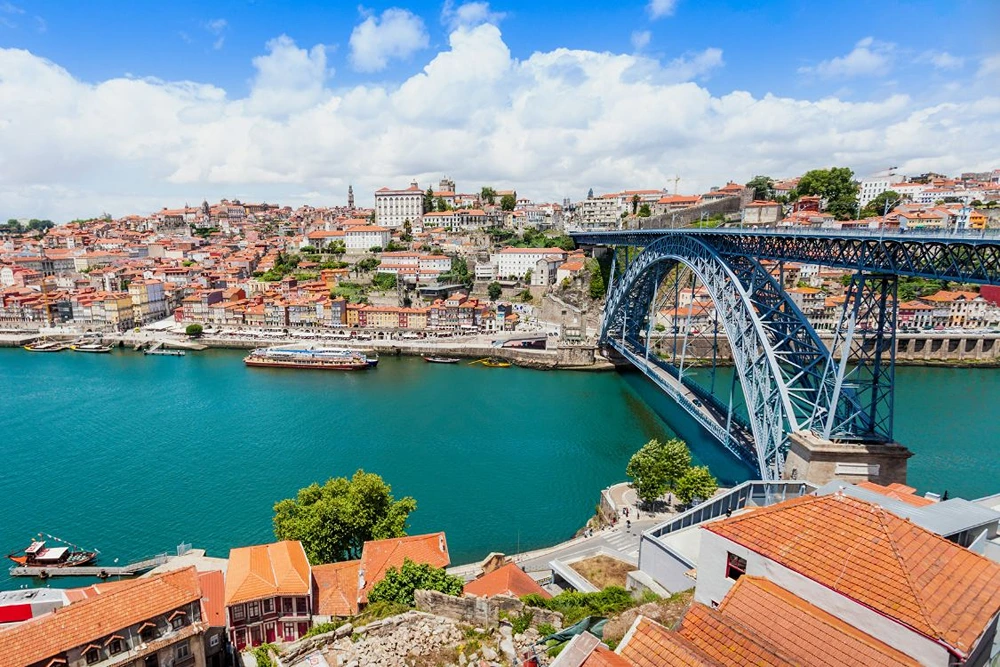
Porto’s public transportation system is a model of efficiency and convenience, making it a preferred mode of travel for both locals and tourists. The metro system, known for its punctuality and coverage, connects the city’s key areas, providing quick access to attractions and business districts. Buses complement the metro by servicing routes not covered by rail, while trams offer a scenic and nostalgic journey through the city’s historic quarters. This well-coordinated network ensures that travelers can navigate Porto with ease, minimizing the need for personal vehicles and reducing travel time.
- Andante Tour Card
- Porto Card
- Zapping credits
Alternative transportation options in Porto further enhance travel flexibility. Ride-sharing services, such as Uber, offer a practical solution for those seeking quick and direct routes across the city. These services are particularly useful for reaching destinations not easily accessible by public transport or for those who prefer the comfort of private vehicles. Cycling is another viable option, with rental bikes readily available for exploring Porto’s picturesque streets and waterfronts. These diverse options ensure that every traveler can find a mode of transport that suits their needs and preferences.
Exploring the Algarve Region
The Algarve region in Portugal offers diverse transportation options for travelers looking to explore its stunning landscapes. Public transit systems, including buses and trains, connect major towns and scenic coastal areas, providing a reliable and cost-effective way to experience the Algarve. Buses are particularly useful for reaching various tourist destinations, while trains offer a comfortable and scenic journey along the coast. These options make it convenient for visitors to navigate the region without the need for a personal vehicle.
Renting a car in the Algarve presents distinct advantages, particularly for those interested in visiting remote beaches and rural locales. A car provides the flexibility to explore off-the-beaten-path destinations at your own pace, allowing for spontaneous detours and stops. This independence is ideal for travelers who want to discover hidden gems not easily accessible by public transport. Additionally, a rental car enables convenient access to the Algarve’s less crowded areas, enhancing the overall travel experience.
Public transportation in the Algarve is both accessible and efficient, with regular bus and train services connecting key locations. Buses run frequently between popular towns, making them a practical choice for day trips and short excursions. The regional train network complements the bus system, ensuring comprehensive coverage of the Algarve’s attractions. These services offer a straightforward and economical means of travel, allowing visitors to explore the region’s beautiful scenery with ease.
Navigating Madeira and Azores Islands

Madeira offers a variety of transportation options that cater to both residents and tourists. Public buses provide an economical way to travel within Funchal, the capital, and connect to other towns across the island. These buses run on regular schedules and cover most of the island, making them a reliable choice for those without personal vehicles. Car rentals are also widely available, allowing visitors to explore Madeira’s scenic drives and remote areas at their leisure. Taxis offer another convenient mode of transport, especially for short trips or when public transport schedules do not align with travel plans.
The Azores, an archipelago renowned for its natural beauty, provides several inter-island travel options. Ferries are a primary means of transport, connecting the islands and offering a scenic journey across the Atlantic Ocean. Domestic flights are also common, providing quick and efficient travel between the islands, which is particularly useful for those on tight schedules. Car rentals on each island offer flexibility, allowing travelers to explore diverse landscapes and attractions independently, without the constraints of public transport.
Madeira:
- Buses
- Cars
- Taxis
Azores:
- Ferries
- Planes
- Cars
Renting a car in both Madeira and the Azores offers significant advantages, particularly for those eager to explore beyond the typical tourist routes. A rental car provides the freedom to visit less accessible areas, such as secluded beaches, hiking trails, and rural villages. This flexibility is invaluable for travelers who wish to craft their own itineraries and explore at a leisurely pace. Additionally, having a car facilitates spontaneous excursions and allows for a more personalized travel experience, ensuring that no part of these picturesque islands goes unseen.
Final Words
Exploring Portugal efficiently involves utilizing its extensive public transportation systems, from metro and buses to high-speed trains like the Alfa Pendular. In bustling cities like Lisbon and Porto, public transport offers both convenience and cost-effectiveness, especially when using passes like the Navegante card. Driving provides the flexibility to explore remote areas, especially in regions like Algarve, Madeira, and the Azores. Whether travelers choose public transit or car rentals, getting around in Portugal promises an enjoyable experience, blending accessibility with the scenic charm of this beautiful country.
FAQ
How do tourists get around Portugal?
Tourists in Portugal typically use public transportation options such as buses, metro, and trains. Lisbon and Porto provide efficient services, and travelers often use transportation passes like the Navegante card for cost savings.
Is it easy to get around Portugal without a car?
Getting around Portugal without a car is relatively easy, thanks to its extensive public transport network. Buses, trains, and metro systems in major cities ensure coverage and convenience for travelers.
Is there Uber in Portugal?
Uber is available in Portugal, offering an alternative to public transport for quick and flexible city travel. It is especially useful for destinations not easily accessible by public transport.
What are the dos and don’ts in Portugal?
When visiting Portugal, do explore via public transport and respect local customs. Avoid discussing politics and adhere to social etiquette, like saying “Bom dia” (Good morning) and thanking drivers or wait staff.
How to travel in Portugal without a car?
Traveling in Portugal without a car can be achieved by using the reliable public transport network, which includes buses, trains, metro, and trams. Ride-sharing services like Uber are also available.
How to buy public transport tickets in Portugal?
Public transport tickets in Portugal can be purchased from station machines, online, or at transit centers. Contactless payment options are widely accepted for single or daily tickets.
What is the cheapest way to travel around Portugal?
The cheapest way to travel around Portugal includes using public transport like buses and trains, especially with discount passes such as the Navegante card in Lisbon or regional passes offering zapping credits.