

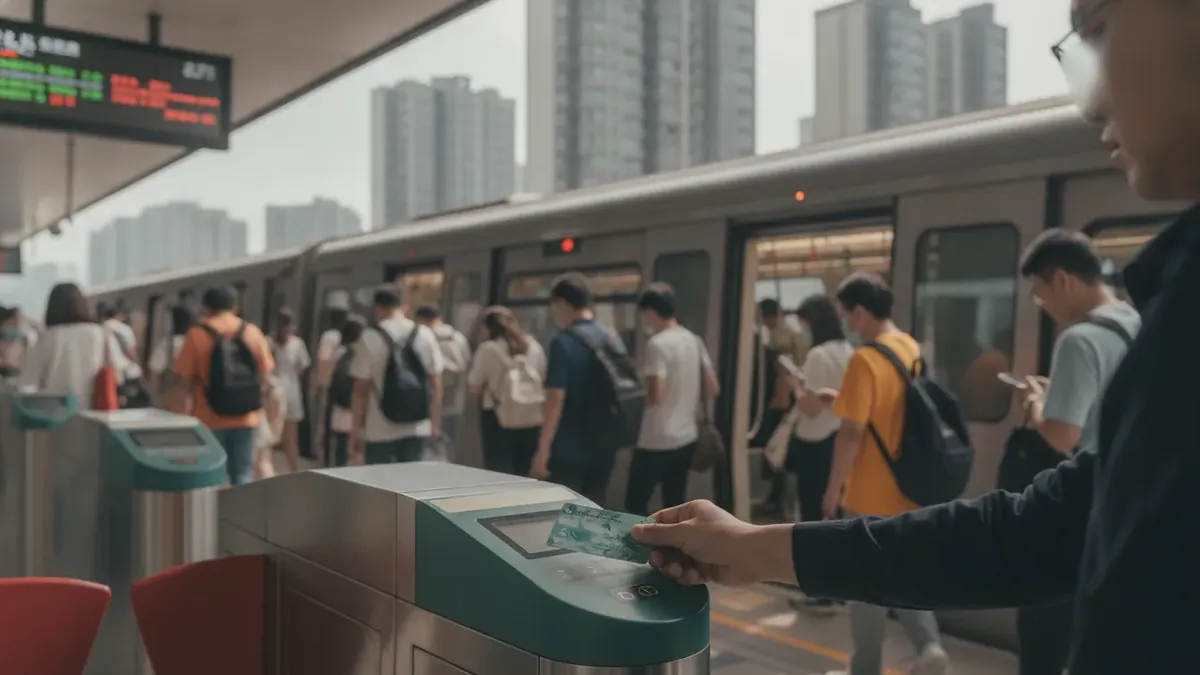
Beijing and Shanghai have extensive metro and bus systems, while Hong Kong’s MTR, buses and ferries are among the easiest urban networks in the region. High-speed rail links major mainland cities; domestic flights cover longer distances. Confirm local driving licences, insurance and registration before renting or driving.
Digital payment and transport apps are central to daily travel. Keep a charged phone, backup payment method and translation support. Check weather, air quality and holiday traffic before long journeys, and choose housing near a reliable route rather than assuming a short distance will be quick.
Practical checks
Keep passport, visa, residence registration, lease, insurance, tax and employment records in a secure digital folder. Inspect housing for heating or cooling, water, internet, management fees and contract language before paying. Confirm permitted activities, licences and payment or communication tools in writing, and budget for temporary accommodation and private healthcare.
Before signing, test the commute at the actual start time and compare rent, school, health, transport and digital-service costs. Families should verify school places and hospital networks before moving. Mainland and Hong Kong rules differ, and immigration permission, work authorisation, tax residence and local licensing are separate questions.
Arrange a reliable local payment method, phone plan, translation support and backup access to essential contacts. Ask employers exactly when insurance begins and who handles permit renewals. Check building heating, air conditioning, water pressure, lifts and internet at the viewing, and photograph the inventory.
Keep a contingency fund for delayed onboarding, a change of sponsor, temporary housing or a trip for specialist medical care. Re-check official requirements before renewal because fees, forms and appointment systems can change.
Settling in
Learn basic Mandarin where possible, save official links and keep copies of every submission. Re-check requirements before renewals because immigration, tax and local rules can change. If a spouse or children are included, confirm each person’s status and healthcare separately. Professional advice is useful for complex family, business or cross-border arrangements, but it should supplement current government instructions.
Choosing transport by city
Beijing and Shanghai have extensive metro and bus networks, while Hong Kong’s MTR, buses, ferries and trams support car-free living. High-speed rail links major mainland cities and domestic flights cover longer distances. Choose housing near a reliable route and confirm first and last service times before relying on transit for an early shift or late flight.
Payments, driving and regional travel
Transport apps and digital payment are central to daily travel. Keep a charged phone, backup payment method and the destination written in Chinese. Confirm local driving licence, insurance and registration requirements before renting a car. Check weather, air quality, holiday crowds and border or regional rules before long journeys.
First-month route check
Test the office, school, airport and hospital journeys at the times you will actually travel. Keep a backup route for service interruptions, weather and holiday congestion, and save local emergency contacts in your phone.
Carry a backup payment method and translation support.
Check station access before booking housing.
Plan the return journey too.