

Getting around Portugal is easiest when you choose the city and neighbourhood together. Lisbon and Porto have the strongest urban networks, the main rail corridors connect the larger cities, and regional buses fill some gaps. Outside those corridors, a car may become part of the cost of living rather than an optional extra.
Reviewed 16 July 2026. Routes, timetables, strikes and fares change. Check the operator before every journey, especially when connecting airports, long-distance trains and regional buses.
The practical answer by location
- Lisbon: metro, buses, trams, ferries and urban rail make car-free living possible if you choose a connected neighbourhood.
- Porto: Metro do Porto, STCP buses and urban rail cover much of the metropolitan area, but the right fare zone matters.
- Coimbra: compact central areas can work without a car, while outer districts and nearby towns are more car-dependent.
- Algarve: trains and buses connect the main corridor, but a car is useful for beaches, villages and year-round errands.
- Inland and rural Portugal: expect fewer departures, longer connections and more dependence on a car or local taxi.
Lisbon: excellent network, real trade-offs
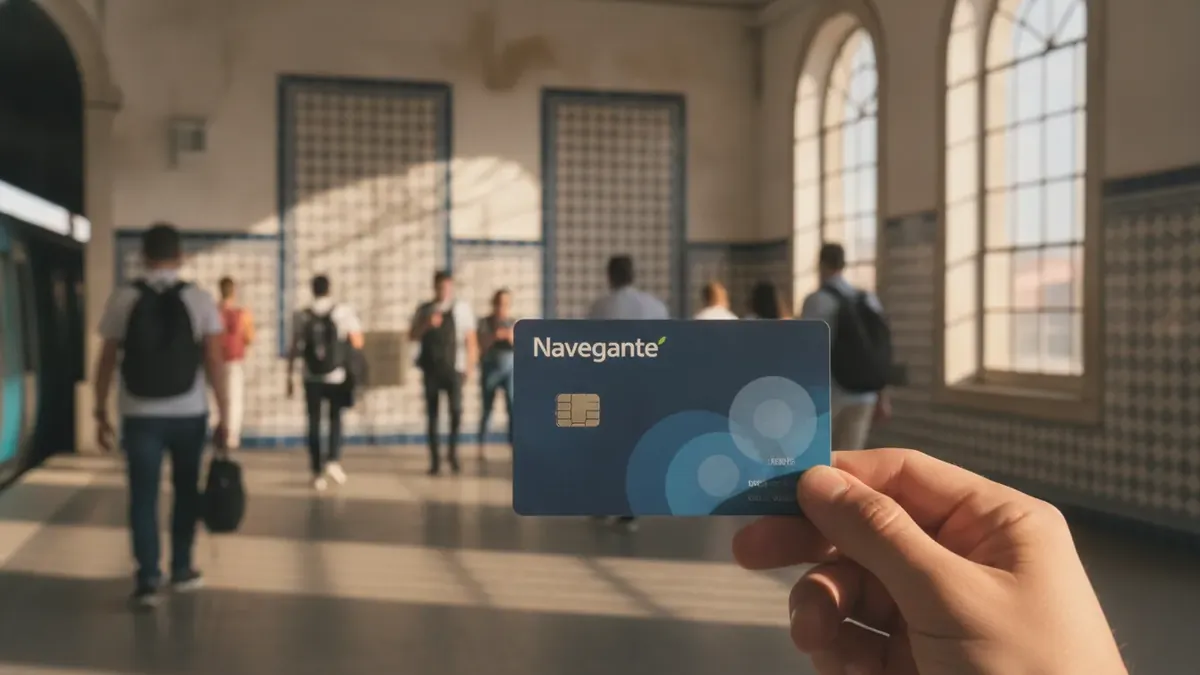
Lisbon’s metro is useful for longer cross-city trips, while Carris buses and trams cover streets the metro does not. The 2026 Metro Lisboa fare sheet lists a standard Carris/Metro journey at €1.90, a 24-hour Carris/Metro ticket at €7.25, and a metropolitan Navegante monthly pass at €40. Check the official 2026 fares before budgeting.
The best address is not necessarily the one closest to a tourist attraction. Test the actual walk to a station, school, supermarket and health centre. Hills, heat, crowded routes and late-night service can matter more than the map distance.
Porto: metro, buses and zones
Porto’s metro is valuable for the city and several neighbouring municipalities, while STCP buses and CP urban trains extend the network. The Andante system is zone-based, so check the zones covering both your home and regular destinations. Metro do Porto publishes the current 2026 tariff information.
If you live across the river or outside the central municipalities, compare the total journey—not just the ticket price. A cheaper home can mean extra zones, longer transfers and less flexibility when services are disrupted.
Trains between Portuguese cities
CP operates Alfa Pendular, Intercidades, Regional, InterRegional and urban services. The CP ticket information explains the main products, while the app and online ticket office show current schedules and availability.
For long-distance trips, buy early when your dates are fixed. CP’s current promotional terms describe discounts for Alfa Pendular and Intercidades tickets bought several days ahead, subject to limited seats. The CP online ticket office can sell tickets up to 60 days ahead and close to departure, but availability and conditions depend on the service.
Lisbon–Porto, Lisbon–Coimbra and Lisbon–Faro are useful examples of rail-connected planning. The train may be the sensible option for occasional city trips, while a car becomes more valuable for dispersed coastal or inland living.
Airports and long-distance connections
Lisbon is the largest international gateway, Porto is useful for the north, and Faro serves the Algarve. Price the whole airport journey: local ticket, luggage, parking, taxi or rideshare and the time required to reach the terminal. A cheap flight can become expensive if the home is far from reliable early-morning transport.
For frequent travel, compare airport access before signing a lease. This is one reason Lisbon and Porto can outperform apparently cheaper towns for remote workers with regular international trips.
When you need a car
A car is most useful when your routine includes a rural home, dispersed school or healthcare appointments, beaches outside the rail corridor, or regular shopping in areas without frequent buses. Add fuel, insurance, maintenance, tyres, tolls, parking and eventual registration or import costs to the monthly budget.
Do not buy immediately because a temporary rental address is inconvenient. Try the local network for a normal week, including rain, late appointments and grocery shopping. Conversely, do not assume a car-free lifestyle will work in a village simply because a nearby city has good rail.
Taxis, rideshare and cycling
Taxis and app-based rides are useful for airport transfers, late arrivals and gaps in regional service, but they are not a predictable replacement for a daily commute. Cycling works best on flatter routes and depends heavily on road design, heat and traffic. Walking can be the fastest option in compact historic centres, although hills and paving affect accessibility.
How transport changes the housing budget
Compare transport as part of rent:
| Housing choice | What to include |
|---|---|
| Central Lisbon or Porto | Higher rent, lower car need, stronger transit access |
| Outer metro | Lower rent may mean extra zones, transfers or parking |
| Algarve coastal base | Seasonal buses, rail corridor and possible car costs |
| Inland town | Lower housing pressure but greater car dependence |
Use Portugal cost and budgeting alongside where to live in Portugal. The cheapest rent is not necessarily the cheapest routine.
A reliable relocation test
Before choosing a neighbourhood:
- Map the home to the nearest usable stop, not just the nearest stop.
- Check the first and last service for your normal schedule.
- Test a weekday journey at peak time.
- Price a monthly pass or car alternative.
- Check airport and intercity connections.
- Repeat the test for a rainy day and a late appointment.
Save operator apps, service-alert pages and station names in Portuguese. Keep a backup route for strikes, delays and cancelled services.
Related Portugal planning
Start with the Portugal expat pillar, then compare city choice, moving in the first 30 days, healthcare and visa options. For leisure planning, see Portugal’s best places to visit and road trips.
Portugal is easy to navigate when your home, work and transport network line up. Choose the routine first, then choose the postcode.