

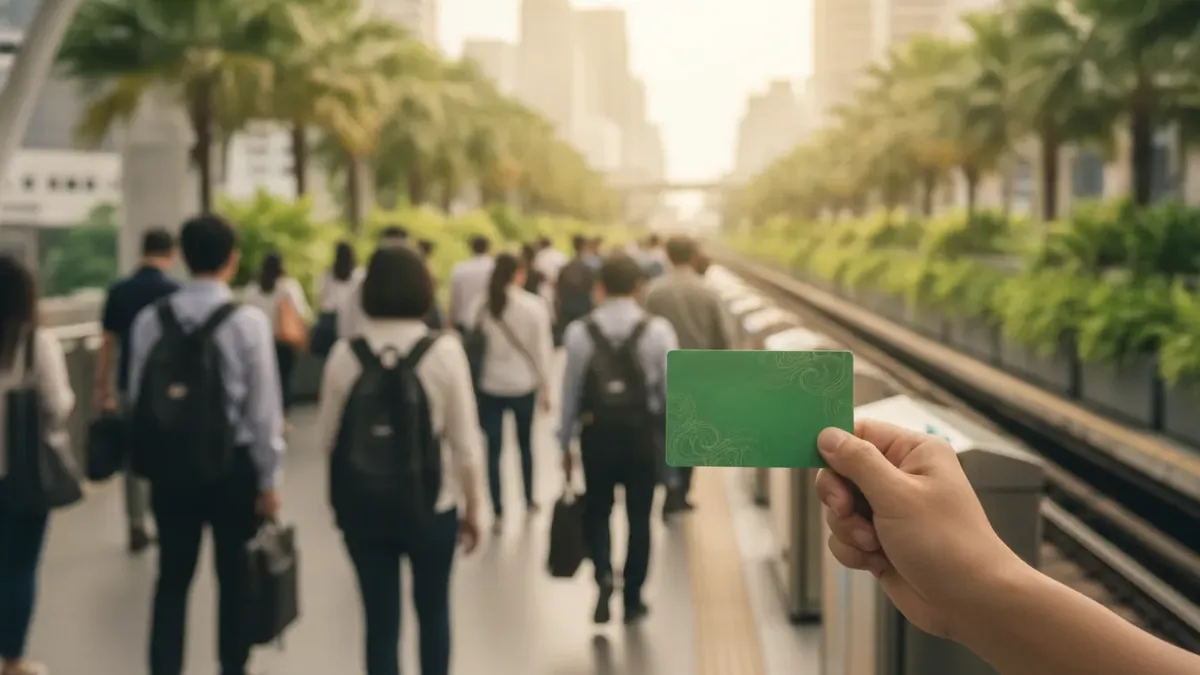
Bangkok has BTS, MRT, buses, taxis and ride-hailing; Chiang Mai, Phuket and Krabi rely more on scooters, cars and local songthaews. Confirm a Thai or recognised international licence, insurance and helmet rules before riding. Never assume a rental contract replaces legal permission to drive.
Domestic flights connect major cities and islands, while trains and coaches are useful on selected routes. Allow extra time for monsoon weather, traffic and airport transfers. Choose housing near work, school or a reliable rail route, and carry water, a charged phone and emergency contacts on rural or boat journeys.
Practical checks
Keep passport, visa, lease, insurance, tax and immigration records in a secure digital folder. Inspect housing for water, mould, internet, drainage and contract terms before paying. Confirm licences, insurance and permitted activities in writing, and budget for seasonal rent, private healthcare, transport and temporary accommodation.
Before signing, visit at different times of day and ask who handles repairs, utilities, security, rubbish, parking and internet. A low monthly rent can be offset by flooding, unreliable power, a poor road or a long ride to work. Use a legitimate agent or landlord, photograph the inventory and keep receipts.
Plan the first month around practical registrations and essentials: a local phone, banking where eligible, healthcare, emergency contacts and a reliable route to work or school. Families should verify school places and hospital networks before moving. Remote workers and business owners should separate immigration permission from tax, employment and licensing obligations.
Traffic, rain, heat and seasonal events can change travel times sharply. Carry water and a charged phone, use proper helmets, and arrange travel insurance for inter-island trips. Keep a contingency fund for delayed immigration processing, temporary housing or a move between cities.
Settling in
Learn basic Thai, save official links and keep copies of every submission. Re-check requirements before renewals because immigration, tax and local rules can change. If a spouse or children are included, confirm each person’s status and healthcare separately. Professional advice is useful for complex family, business or cross-border arrangements, but it should supplement current government instructions.
Choosing transport by city
Bangkok’s BTS, MRT, buses, taxis and ride-hailing can support car-free living if your home is near a reliable corridor. Chiang Mai, Phuket and Krabi rely more on scooters, cars, drivers and local songthaews. Test the route during rain and peak traffic before choosing housing.
Scooters, cars and regional travel
Confirm the licence and insurance required before riding, wear a proper helmet and check rental exclusions. Trains are useful across Thailand, domestic flights connect islands and major cities, and buses cover many regional routes. Allow extra time for monsoon weather, ferry queues and holiday traffic. Carry water, a charged phone and emergency contacts on rural or boat journeys.
Keep a backup payment method and the destination written in Thai for taxi or app-based travel.
Check first and last service times before relying on transit for an early shift or late flight.
Keep a backup route for heavy rain, roadworks and holiday congestion.