

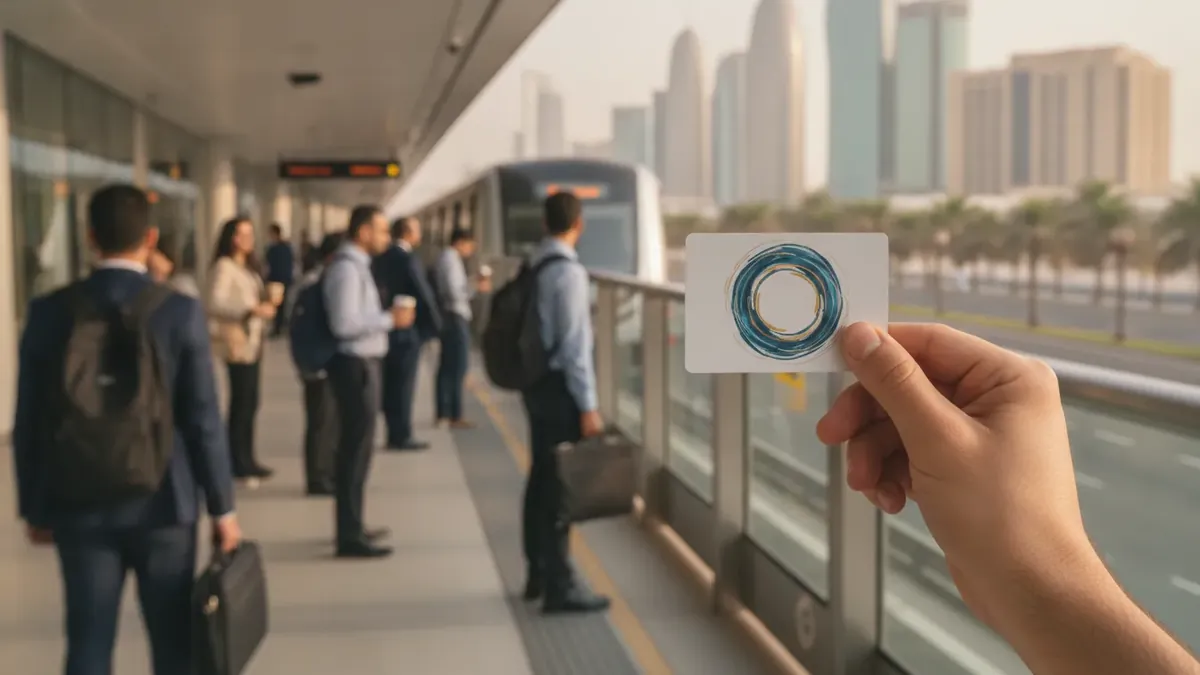
Getting around Qatar is simplest in Doha, where the Metro, buses, taxis and ride-hailing cover the main employment and residential districts. The Metro is particularly useful for airport, central Doha, West Bay, Education City and stadium-area journeys. Check operating hours and interchange routes before relying on it for an early shift or late arrival.
Outside the central network, most residents combine a car with occasional taxis. Confirm whether your licence can be exchanged, arrange insurance and learn parking rules before driving. Budget for fuel, servicing, registration, toll or parking charges where applicable and summer air-conditioning. A short map distance can become a long commute during school and office peaks.
For airport trips, compare Metro timing with a taxi if luggage or late-night arrival is involved. Intercity travel to Al Wakrah, Al Khor or desert areas is easier by car or organised excursion. Take water, a charged phone and roadside assistance details on remote journeys, and check weather or road conditions before leaving paved routes.
When choosing a home, test the actual work or school journey at peak time. A flat near a Metro station can reduce car costs, while a compound farther out may trade convenience for space and family facilities. Walking is realistic for short, shaded or air-conditioned routes but difficult in peak summer heat.
Route planning
Test the actual journey at school or office start time. If buying a car, price insurance, servicing, registration and fuel before comparing finance offers. Visitors may find taxis easier in central Doha, while families in outer districts often need a car. Recheck Metro hours during holidays and major events. In peak summer, plan shaded or indoor-linked routes and carry water.
Practical checks
Keep a secure digital folder with passport, residence, lease, insurance, employment and vehicle documents. Ask written questions rather than relying on a verbal promise, especially about deposits, sponsor responsibilities, school places, medical cover and renewal fees. Before signing or paying, verify the company or landlord and make sure the address, dates and names match across documents. Learn the emergency number and the nearest clinic, supermarket and pharmacy. For remote workers, confirm that the residence category permits the intended work arrangement; for families, check dependent status and school admissions separately. These checks reduce avoidable delays and make a move easier to manage if an employer, home or sponsor changes.
Keep a realistic contingency fund for delayed payroll, a change of accommodation or a status application that takes longer than expected. Save official links and check them again before renewal, since Gulf immigration and transport procedures can change by authority.
Planning around heat and peak traffic
Test the actual school or office journey at peak time. A home near Doha Metro may reduce car and parking costs, while an outer compound trades convenience for space. If buying a car, price insurance, servicing, registration and fuel before comparing finance offers. Visitors may find taxis easier in central Doha; families in outer districts often need a car.
Recheck Metro and bus hours during holidays and major events. In peak summer, favour shaded or indoor-linked routes, carry water and keep roadside-assistance details available.